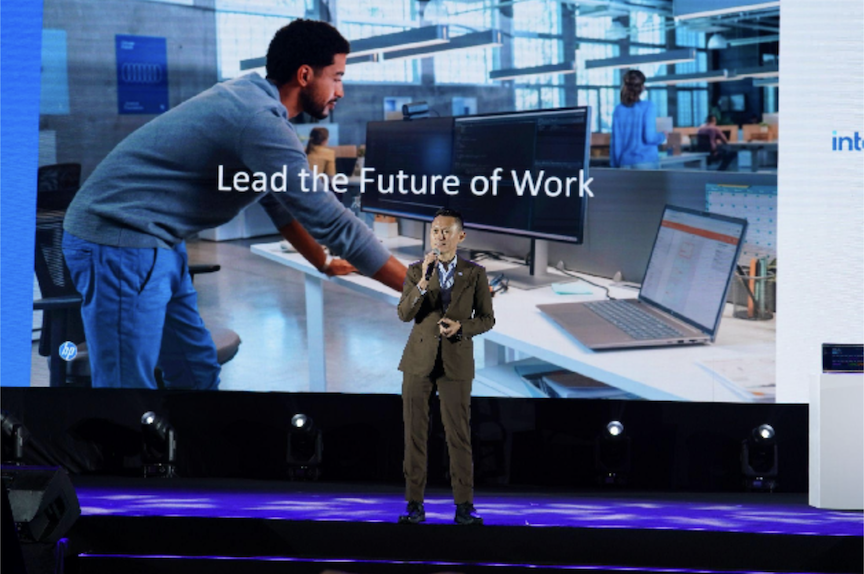
As artificial intelligence becomes increasingly embedded in Philippine workplaces, HP Philippines is positioning itself beyond a PC manufacturer, unveiling an expanded ecosystem of AI-powered devices, workplace software, and security solutions designed to help organizations turn AI investments into measurable business outcomes.
During “HP Elevate 2026” held in Manila, the technology company introduced its latest portfolio of AI-enabled commercial PCs, intelligent workplace platforms, enterprise printers, and cybersecurity innovations, underscoring what it describes as a broader vision for the future of work.
The launch comes as AI adoption continues to gain momentum across the country. Citing industry research, HP said more than 92% of Philippine organizations have already implemented AI in some capacity, while 86% of Filipino knowledge workers now use AI in their daily work. Despite this rapid uptake, many businesses remain in the early stages of integrating AI into core operations, creating opportunities to move beyond experimentation and achieve tangible productivity gains.
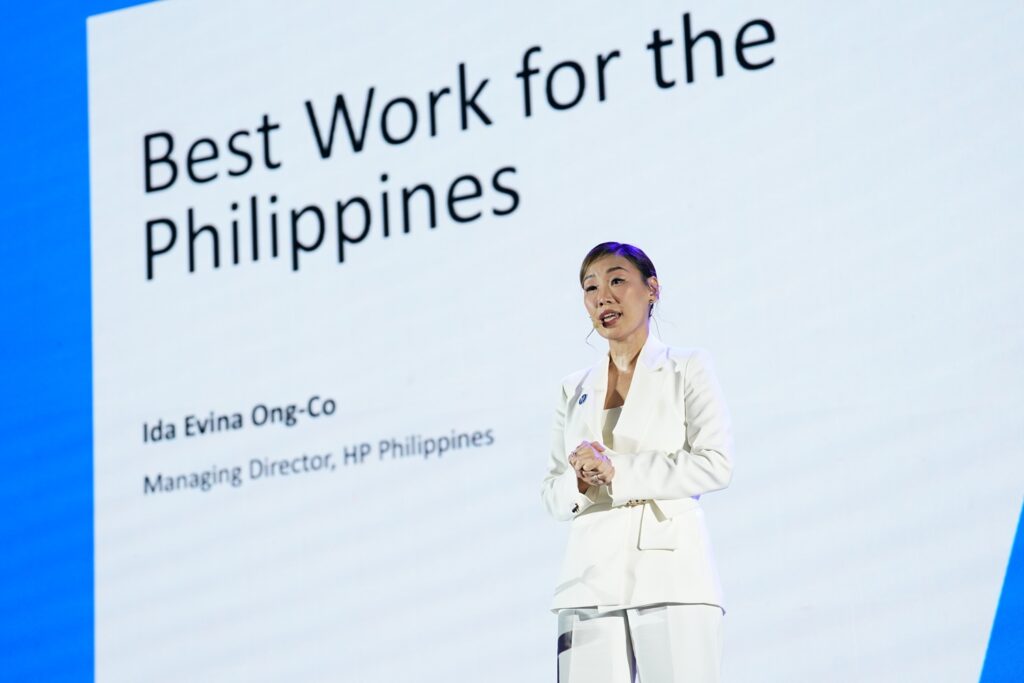
Ida Evina Ong-Co, Managing Director of HP Philippines
“AI adoption in the Philippines is no longer a question of if, but how quickly organizations can translate it into meaningful outcomes,” said Ida Evina Ong-Co, managing director of HP Philippines.
“At HP, we believe technology should help people stay focused on meaningful work by reducing complexity and creating more seamless experiences. That’s why we are committed to delivering simplified experiences through our AI ecosystem, so that we can help Philippine organizations adopt AI with confidence and empower people to do their best work.”
AI moves from experimentation to enterprise adoption
Rather than positioning AI as a standalone technology, HP’s latest strategy centers on integrating artificial intelligence across the workplace — from computing devices and IT management to printing infrastructure and endpoint security.
At the heart of the announcement is HP IQ, an intelligent workplace ecosystem designed to connect AI PCs, peripherals, and workplace devices into a unified platform.
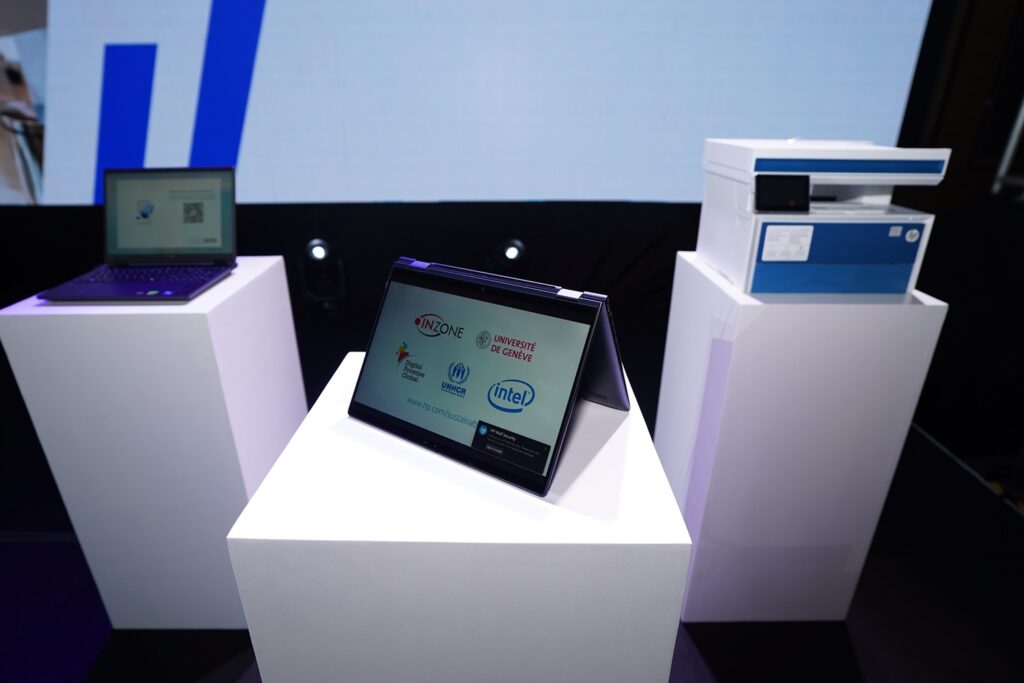
IMAGE CREDIT: HP Philippines
Powered by on-device AI, HP NearSense technology, and the HP Workforce Experience Platform (WXP), the system aims to simplify collaboration, reduce operational friction, and provide IT teams with greater visibility over enterprise devices.
HP also introduced expanded AI capabilities for its Workforce Experience Platform, enabling organizations to proactively identify device issues, automate maintenance, and monitor employee technology experiences before they impact productivity.
The company said these capabilities are intended to help businesses navigate increasingly complex hybrid work environments, where employees rely on multiple devices and applications across distributed workplaces.
AI PCs take center stage
Supporting the ecosystem is HP’s newest generation of AI-enabled commercial computers, led by the HP EliteBook X series, HP OmniBook Ultra, EliteBoard G1a, and the ZBook X mobile workstation.
Powered by the latest Intel Core Ultra and AMD Ryzen AI processors capable of performing up to 50 trillion operations per second (TOPS) for AI workloads, the devices are designed to run AI applications locally, reducing dependence on cloud computing while improving performance, privacy, and responsiveness.
For enterprise users, HP said the devices combine AI acceleration with built-in collaboration tools and HP Wolf Security, enabling organizations to support hybrid work without compromising security.
The company also introduced the HyperX OMEN 15 gaming laptop, featuring NVIDIA GeForce RTX 50 Series graphics and AI-powered performance optimization for gaming and creative workloads.
Security remains central to enterprise AI
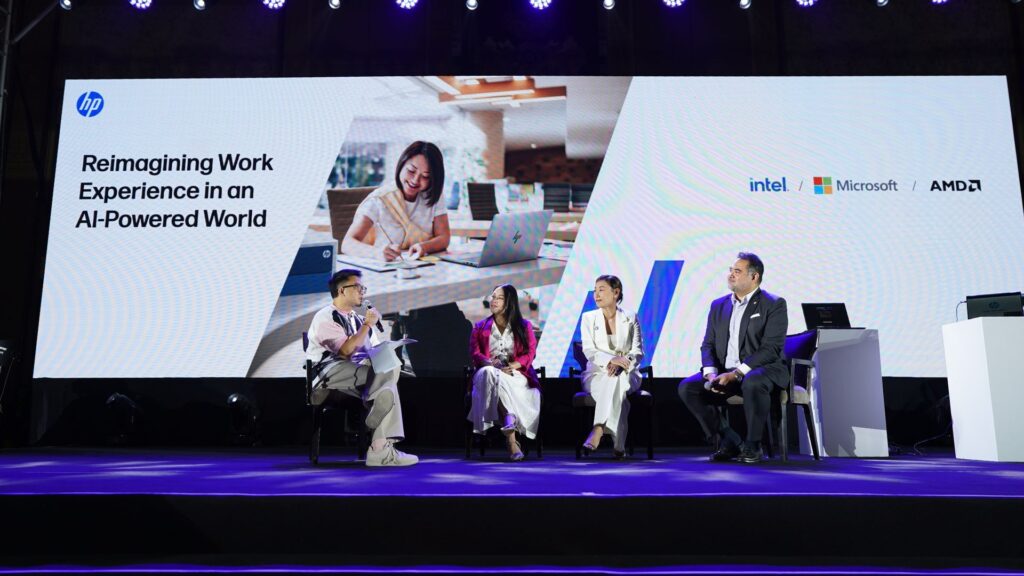
Mori Rodriguez (left) of EON leads the panel discussion with Dannah Majarocon of Jobstreet by SEEK; Ida Evina Ong-Co of HP Philippines; and Miko David of DMAP
As organizations increasingly deploy AI across their operations, HP emphasized during a panel discussion that cybersecurity must remain a foundational element of digital transformation.
Among the new technologies introduced was HP TPM Guard, which the company describes as the industry’s first notebook protection designed to defend against physical attacks targeting Trusted Platform Modules (TPMs), helping safeguard BitLocker-encrypted business devices.
HP also expanded the capabilities of HP Wolf Security, integrating it more deeply with enterprise device management and the Workforce Experience Platform to provide organizations with stronger endpoint protection and centralized security management.
The company said these enhancements are intended to help enterprises adopt AI while minimizing cyber risks associated with increasingly connected workplaces.
Smarter print infrastructure
Beyond personal computing, HP refreshed its commercial LaserJet portfolio, introducing enterprise printers designed to improve workflow efficiency while supporting secure document management.
The new lineup includes the HP LaserJet Pro 4112fdw multifunction printer, LaserJet Pro 4006dw, and the LaserJet Enterprise MFP X53052dn, targeting organizations that require reliable, high-volume printing alongside modern workplace management capabilities.
Expanding the AI workplace ecosystem
HP’s announcements reflect a broader shift taking place across enterprise technology, where vendors are increasingly combining hardware, software, AI, and security into integrated workplace platforms rather than selling standalone devices.
For Philippine businesses pursuing digital transformation, the company’s strategy signals that the next phase of AI adoption may depend less on acquiring new technology and more on embedding intelligence across everyday workflows.
As organizations continue exploring practical AI use cases, HP is betting that connected workplace ecosystems — rather than individual AI-powered devices — will define the future of enterprise productivity.