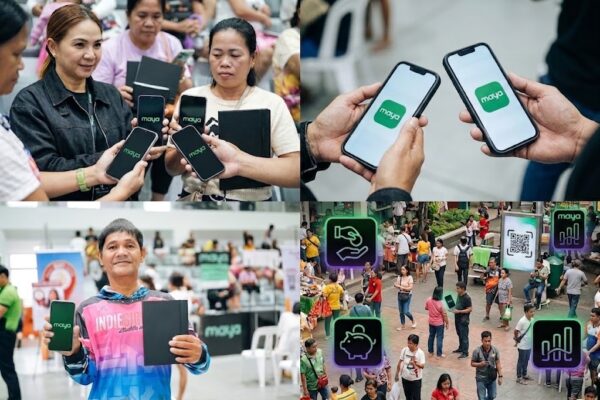


Full-fledged online banking is no longer a concept reserved for tech-savvy consumers. In the Philippines, digital banks and online banking platforms are rapidly reshaping how people save, transfer money, pay bills, invest, and access financial services. What once required a branch visit can now be completed through a smartphone in minutes.
The rise of digital banking has brought greater convenience and financial inclusion to millions of Filipinos. However, as the country moves toward a fully digital financial ecosystem, questions about consumer trust, cybersecurity, and regulatory readiness continue to emerge. While the benefits are undeniable, the transition also presents challenges that banks, regulators, and consumers must address together.
Why full-fledged online banking is gaining ground
The growing adoption of full-fledged online banking reflects changing consumer expectations. Filipinos increasingly prefer fast, convenient, and accessible financial services that fit their digital lifestyles.
Opening accounts, transferring funds, paying bills, and managing investments can now be done without stepping inside a physical branch.

Digital banking platforms have also expanded financial access to underserved communities. Individuals living far from traditional banking centers can now participate in the formal financial system through mobile devices and internet connectivity. This accessibility has become a key driver of financial inclusion across the country.
Beyond convenience, online banking offers enhanced efficiency. Transactions that previously required paperwork and long queues can now be completed within seconds. As technology continues to evolve, consumers are becoming more comfortable with managing their finances through digital channels.
Building consumer trust in a digital-first environment
Despite its advantages, full-fledged online banking still faces a significant hurdle: consumer trust.
Many Filipinos remain cautious about storing money and conducting financial transactions entirely online. Concerns about account security, unauthorized access, and data privacy continue to influence adoption rates.

Financial institutions are responding by investing heavily in cybersecurity measures. Features such as biometric authentication, one-time passwords, device registration, real-time transaction alerts, and advanced fraud monitoring systems are becoming standard across digital banking platforms. These safeguards help strengthen confidence among users while reducing exposure to cyber threats.
Consumer education also plays a crucial role. Even the most secure platforms can be vulnerable when users fall victim to phishing attacks, social engineering scams, or fraudulent links. Strengthening digital literacy remains essential in creating a safer online banking environment for everyone.
Keeping regulation and innovation in balance
As full-fledged online banking expands, regulators face the challenge of balancing innovation with consumer protection.
The rapid growth of digital financial services requires updated policies that can address emerging risks while encouraging continued innovation.

Regulatory agencies have increased their focus on cybersecurity standards, anti-money laundering compliance, digital identity verification, and consumer protection frameworks. These measures help create a safer environment for both financial institutions and customers while supporting the growth of digital finance.
Looking ahead, the success of the country’s digital banking ecosystem will depend on collaboration among banks, fintech companies, regulators, and consumers. As technology advances, maintaining security, transparency, and trust will be critical to sustaining long-term growth and adoption.
The road ahead for digital finance
Full-fledged online banking is transforming the Philippine financial landscape by making banking more accessible, efficient, and inclusive. While concerns surrounding fraud, cybersecurity, and consumer trust remain valid, ongoing investments in technology and regulatory oversight are helping address these challenges.
The question is no longer whether Filipinos will embrace digital banking, but how quickly the country can build a secure and trusted ecosystem that supports the future of finance.
As digital services become increasingly integrated into everyday life, full-f online banking is poised to become the new standard for financial engagement in the Philippines.