
The Philippine digital banking sector is entering a more disciplined and performance-driven phase, as the Bangko Sentral ng Pilipinas (BSP) signals tighter oversight and a stronger focus on sustainability.
The shift reflects how the industry is moving beyond its early expansion stage, where growth and customer acquisition dominated strategy.
According to the Bangko Sentral ng Pilipinas (BSP), digital banks are now expected to prioritize profitability, risk management, and long-term operational stability as the sector matures.
The regulator’s position comes as the industry reaches more than 20 million digital banking customers and over ₱100 billion in combined deposits, marking a key milestone in digital financial adoption in the country.
From rapid expansion to a more cautious growth phase
In the early years of digital banking in the Philippines, players focused heavily on scaling user bases, building deposit portfolios, and expanding access to financial services through mobile-first platforms. This growth-at-all-costs approach helped accelerate financial inclusion, particularly among underserved and digitally active consumers.
However, the BSP has signaled that the sector is now entering a different phase, where expansion will be more measured and closely aligned with financial sustainability. The regulator is placing greater emphasis on whether digital banks can demonstrate consistent earnings, sound credit performance, and resilient operating models.
This transition reflects a broader shift in the financial system, where scale alone is no longer sufficient to justify long-term viability. Instead, digital banks are being encouraged to strengthen core banking fundamentals, including credit underwriting, liquidity management, and cost efficiency.
Profitability pressures reshape business strategies
As competition intensifies, profitability has become one of the most pressing challenges for digital banks. Many institutions continue to face high customer acquisition costs, competitive deposit pricing, and significant investment requirements for technology infrastructure and cybersecurity systems.
These pressures have made it difficult for some players to generate stable earnings despite strong user growth. As a result, digital banks are increasingly reassessing their business models, with a stronger focus on revenue diversification beyond deposits and basic transactions.
Lending has emerged as a key growth area, particularly consumer loans and SME financing. However, this also introduces additional risk exposure, requiring stronger credit risk frameworks and more sophisticated data-driven underwriting systems.
The BSP’s cautious stance on the entry of new digital banks further reinforces this environment. Rather than encouraging rapid market expansion, regulators are prioritizing stability among existing players before considering additional entrants.
Innovation continues under tighter regulatory expectations
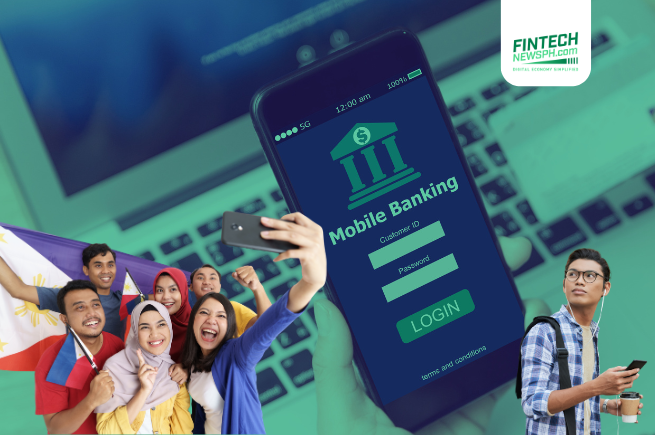
Despite the shift toward profitability, digital banks continue to compete through product innovation. Mobile-first experiences, embedded financial services, and personalized digital offerings remain central to attracting and retaining customers.
Some banks are also expanding into AI-enabled tools for credit scoring, customer engagement, and fraud detection, reflecting a broader trend of technology-driven financial services in the Philippines.
However, innovation is now taking place under a more structured regulatory environment. The BSP continues to reinforce requirements around cybersecurity, consumer protection, and risk governance, particularly as digital banks expand into higher-risk financial products such as lending.
This creates a more complex operating environment where innovation must be balanced with compliance, risk controls, and long-term financial viability.
Market dynamics point toward consolidation and stronger players
As the sector matures, market dynamics are expected to increasingly favor digital banks that can achieve both scale and efficiency. Institutions with diversified revenue streams, stronger credit performance, and efficient digital infrastructure are likely to be better positioned for long-term sustainability.
At the same time, smaller or less profitable players may face mounting pressure to optimize operations or refine their business models in order to remain competitive in a tighter regulatory environment.
The BSP’s approach suggests that the next phase of digital banking growth will not be defined by the number of new entrants, but by the ability of existing institutions to deliver stable performance and manage risk effectively.
A transition toward sustainable digital finance

With more than 20 million users and over ₱100 billion in deposits, the Philippine digital banking sector has clearly moved past its initial adoption phase. The focus now is shifting toward building a more resilient and sustainable ecosystem that can withstand competitive pressures and evolving regulatory expectations.
As the BSP continues to guide the sector through this transition, digital banks are expected to operate in an environment where profitability, governance, and risk management carry equal weight to innovation and customer growth.
The next phase of digital banking in the Philippines will ultimately be defined not just by how fast institutions grow, but by how effectively they can sustain that growth in a more mature and regulated financial landscape.