

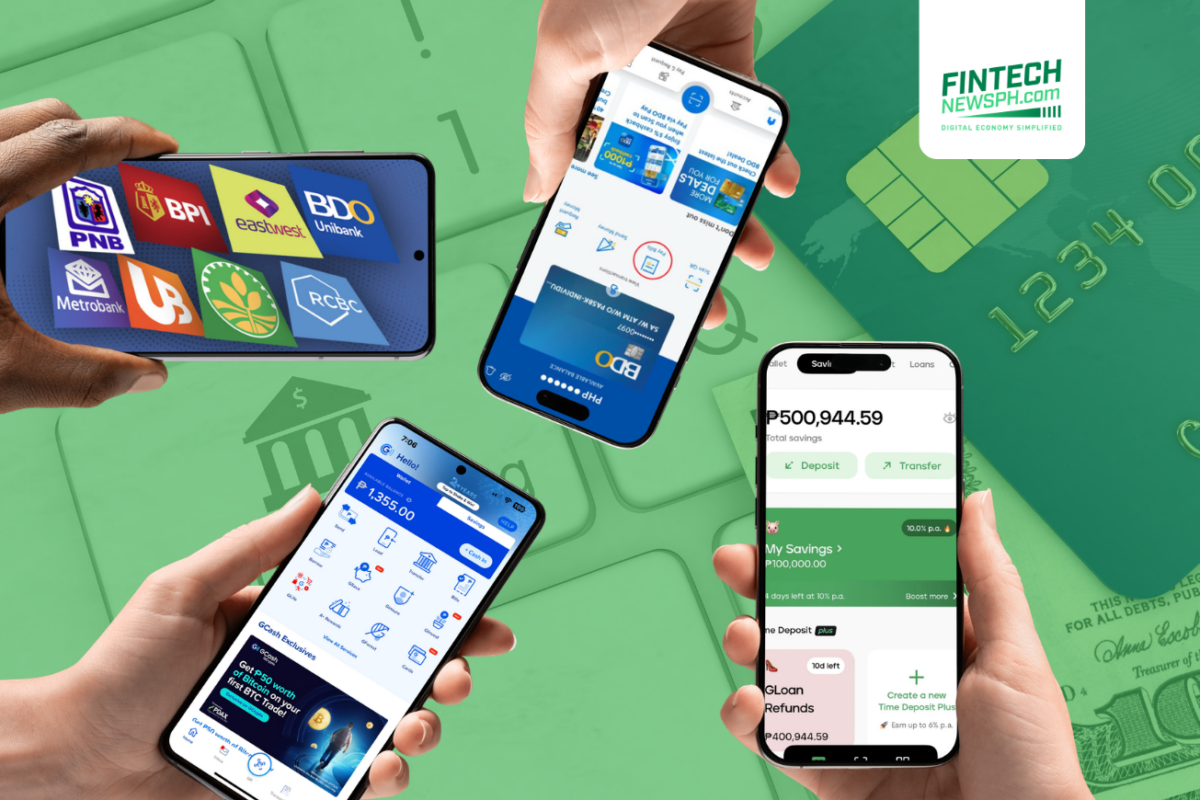
Digital banking growth in the Philippines is entering a more complex stage.
The early years of the digital finance boom were defined by rapid user acquisition, mobile wallet adoption, and aggressive customer incentives.
Today, however, the country’s biggest financial players face a different challenge: how to sustain growth when most digitally active Filipinos are already onboard.
This shift is forcing platforms such as Maya and GCash, along with traditional banks, to rethink their strategies.
The next battle is no longer about who can attract the most users. It is increasingly about who can offer the most comprehensive financial ecosystem—from credit and investments to wealth management and business banking.
From customer acquisition to customer value
The success of digital finance platforms over the past decade was built largely on convenience. Mobile payments, QR transactions, online transfers, and digital savings products transformed how Filipinos interact with money. Millions of users embraced these services, helping establish a thriving fintech ecosystem.
As the market matures, however, opportunities for explosive user growth are beginning to narrow. Many consumers already maintain accounts across multiple platforms, making it more difficult for providers to rely solely on new registrations as a growth strategy.
As a result, digital banking growth is becoming increasingly tied to customer value rather than customer volume. Financial institutions are focusing on deeper engagement by encouraging users to borrow, invest, save, and manage their businesses within their respective ecosystems.
Why credit and investments are becoming the new battleground
A major trend emerging across the industry is the growing emphasis on lending and investment products. For digital banks, these services offer stronger revenue potential compared to transaction-based businesses that often operate on thin margins.

Maya has continued expanding its digital banking offerings, while GCash has strengthened access to credit, insurance, and investment services through its growing ecosystem.
Both platforms are attempting to transform from payment providers into full-service financial platforms capable of supporting customers throughout their financial journeys.
At the same time, rising consumer demand for accessible credit and investment opportunities is creating new growth avenues. Filipinos are becoming more comfortable using digital channels not just for payments, but also for building savings, accessing loans, and exploring wealth-building products.
Can traditional banks still compete?
While fintech companies often dominate discussions about innovation, traditional banks remain powerful competitors.
Established institutions possess significant advantages, including large deposit bases, regulatory experience, corporate relationships, and longstanding customer trust.
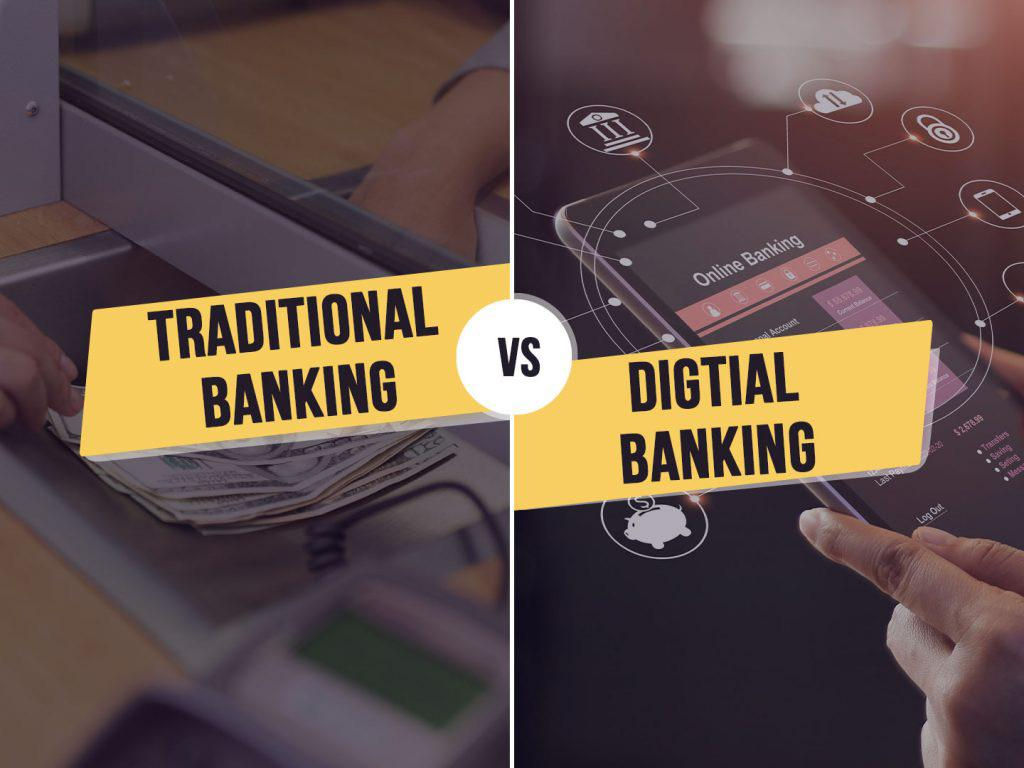
Many banks have accelerated their digital transformation efforts, investing heavily in mobile banking platforms, digital onboarding, and online financial services. In some cases, the user experience offered by traditional banks is becoming increasingly comparable to that of digital-first players.
Rather than being displaced, traditional banks are adapting to the new environment. This has created a competitive landscape where fintech firms and banks are pursuing similar opportunities, particularly in lending, investments, and business banking.
The future may be coexistence, not domination
The question now facing the industry is whether a single platform will emerge as the dominant financial ecosystem or whether multiple players can successfully coexist. Current market trends suggest the latter may be more likely.
Different institutions serve different customer needs. Digital-native consumers may prefer app-based experiences, while businesses and high-value clients often continue to rely on traditional banking relationships. The diversity of the Philippine financial market creates room for multiple business models to thrive.
Ultimately, the next phase of digital banking growth will depend on how effectively providers can move beyond payments and deliver meaningful financial services. The winners may not necessarily be those with the largest user bases, but those capable of creating lasting customer relationships through credit, investments, business solutions, and financial trust.
What comes next for Philippine finance
As competition intensifies, the lines separating fintech companies and traditional banks are becoming increasingly blurred. The future of the industry may not be defined by disruption alone, but by convergence.
For Maya, GCash, and traditional banks, the challenge ahead is remarkably similar: transforming digital engagement into sustainable financial relationships. In a market where customer acquisition is slowing, the next battle will be fought on the strength of products, profitability, and long-term customer value.