By Jan Michael Carpo, Reporter
The Asian Development Bank (ADB) has reduced its economic growth forecast for the Philippines in 2023 due to rising prices and outside challenges.
In its “Asian Development Outlook September 2023 report,” the ADB stated that it is lowering its growth forecast for the country to 5.7 percent this year — slightly lower than the 6 percent projection it gave last April.
The ADB, however, explained that despite inflationary pressures and external obstacles, it still expects the country’s economy to grow solidly in the remaining months of the year. The government’s 6% to 7% growth projection for this year and the 7.6% economic growth recorded in 2022 are less than the ADB’s revised gross domestic product growth forecast.
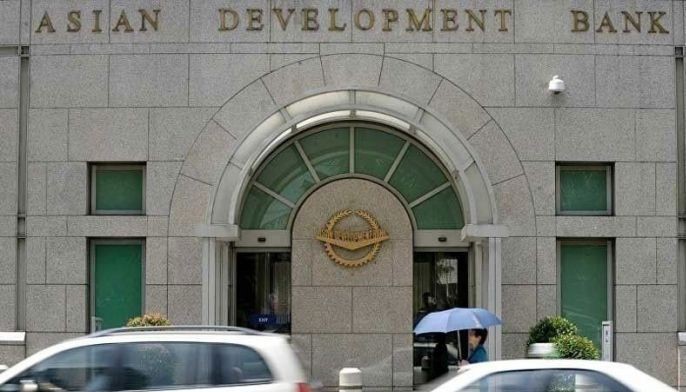
IMAGE CREDIT: www.adb.com.ph
As a result of rising inflation and interest rates that reduced consumer demand and investment, economic growth fell to 4.3 percent in the second quarter from 6.4 percent in the first quarter and 7.5 percent in the second quarter last year. This increased the growth rate for the first semester to 5.3%.
The ADB has not changed its 6.2% growth prediction for the Philippines in the coming year. However, this forecast is slightly lower than the government’s 6.5% to 8% growth objective for the upcoming year.
“Despite a predicted slowdown in 2023, the Philippines’ growth story remains strong. A low unemployment rate, a steady rise in remittances from Filipinos living abroad, and booming services like tourism will boost growth,” said Pavit Ramachandran, country director of ADB Philippines.
“The government’s major infrastructure projects should further stimulate consumption, increase jobs, and encourage more investment,” he further stated.
The rate of inflation predicted to decline
The ADB stated that if inflationary pressures subside in the coming year, this should be positive for domestic demand.
While the rate of inflation is predicted to decline, the ADB warned that the advent of El Nio, high global commodity prices, and knock-on effects from increased minimum wages and transportation costs might limit the rate of deceleration.
Due to greater increases in food and transportation expenses, inflation last month increased to 5.3% from 4.7%, breaking a six-month downturn.
Inflation in the January to August period averaged 6.6%, which is still higher than the central bank’s target range of two to four percent.
According to the ADB, downside risks to the outlook include a sharper-than-anticipated recession in important advanced economies, increased geopolitical tensions, and higher-than-anticipated global commodity prices.
The ADB, however, warned that the continuance of Russia’s invasion of Ukraine, further severe weather disturbances, and an enhanced and protracted El Nino could further increase inflationary pressures.