
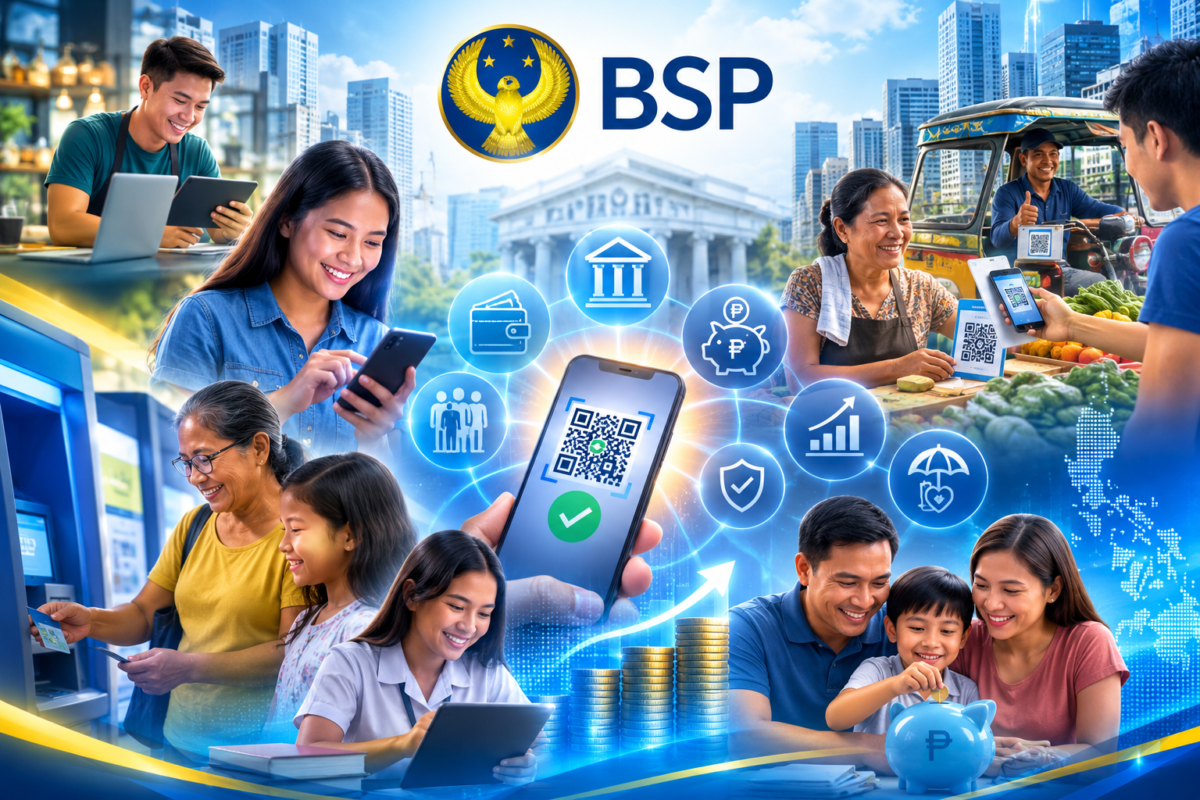
The Bangko Sentral ng Pilipinas (BSP) is cautioning that rising account ownership and digital payment use should not be treated as the end goal of financial inclusion, saying financial services must ultimately be accessible, affordable, understandable and useful to Filipinos.
In a statement released August 14, the central bank said digital payments can serve as a gateway to broader financial inclusion, allowing Filipinos to enter the formal financial system and eventually gain access to savings, credit, investments and insurance.
The BSP said payments are currently the most widely used financial service among Filipinos, making them an important starting point for bringing more people into the formal financial system.
But simply opening an account or completing a digital transaction does not necessarily mean a person is financially included.
Cost remains a barrier to digital payments
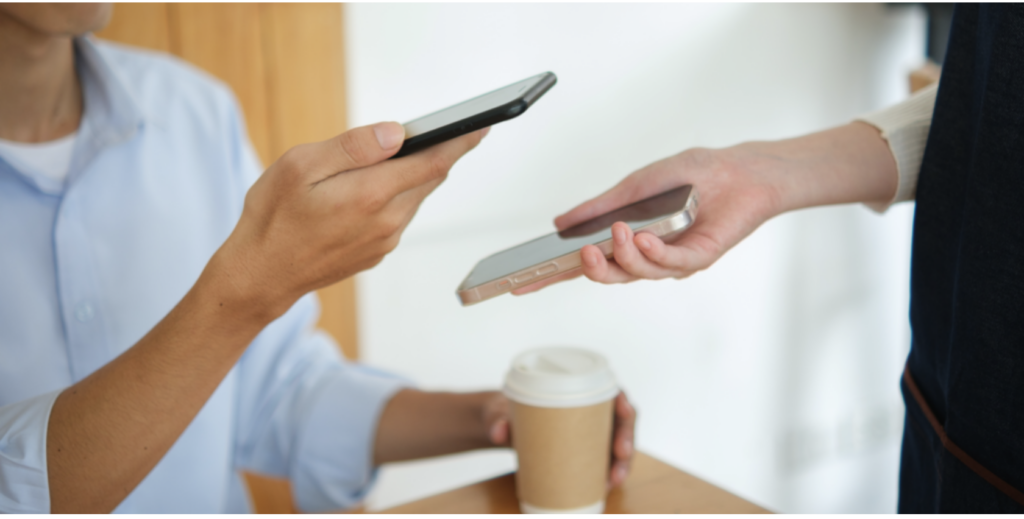
IMAGE CREDIT: Magnific
Affordability remains one of the issues the BSP is seeking to address.
The central bank said surveys show that cost is among the key barriers cited by people who do not use digital payments, while studies indicate that lower transaction fees can encourage greater adoption.
But the BSP noted that price is only one part of the problem.
Account-opening requirements, maintaining balances, connectivity, access points, financial and digital literacy, consumer trust, safety and ease of use can all determine whether Filipinos are willing and able to participate in the formal financial system.
This means that increasing the number of accounts or digital transactions does not necessarily translate into meaningful financial inclusion.
BSP pushes low-cost accounts and digital payments
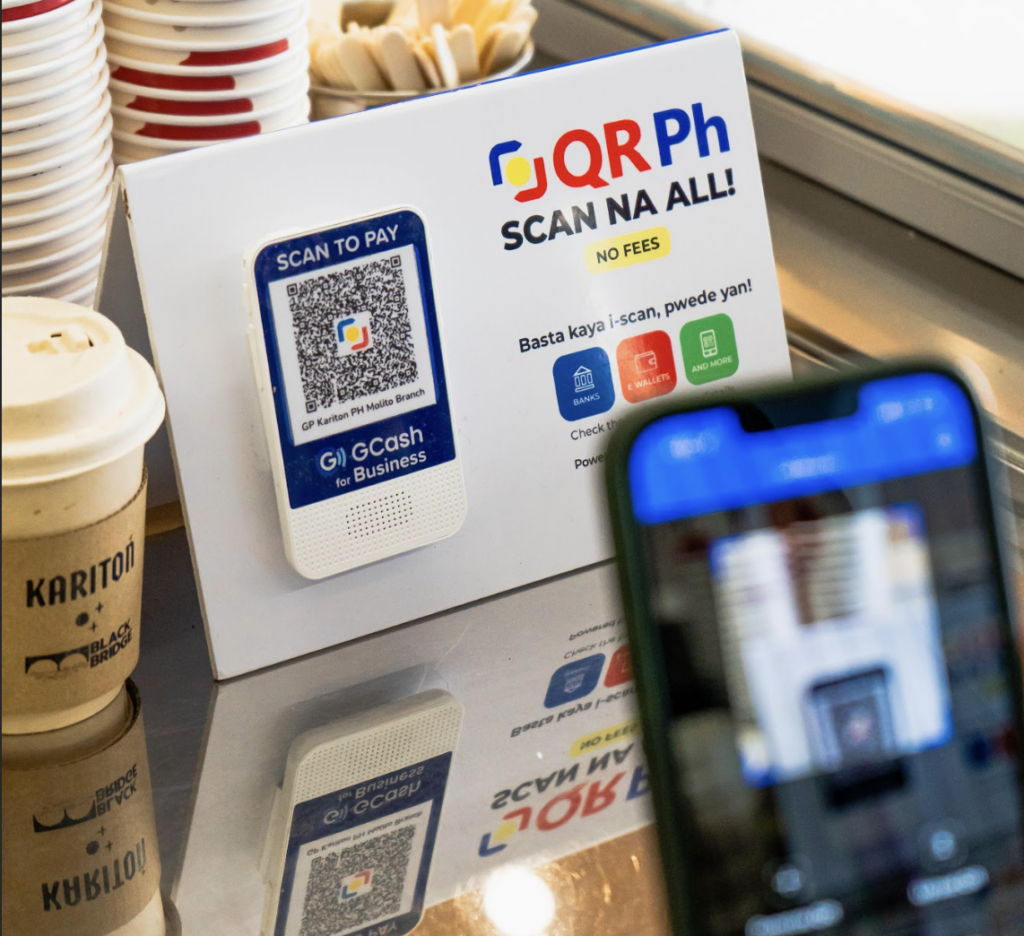
The BSP said it continues to work with government and private-sector partners to address these barriers.
One of its initiatives is the Basic Deposit Account, which is designed to make it easier for Filipinos to enter the formal banking system.
Basic Deposit Accounts require an opening amount of no more than ₱100 and do not impose maintaining-balance or dormancy charges.
The BSP has also led the development of the country’s interoperable digital payments infrastructure, allowing consumers to conduct more types of transactions across different financial service providers.
At the community level, Paleng-QR Ph Plus is helping bring digital payments closer to everyday transactions by encouraging market vendors, tricycle drivers and other community-based merchants to accept QR payments.
The initiative is aimed at making cashless payments more accessible to Filipinos who may otherwise continue to rely heavily on cash.
Financial literacy is part of the equation
The BSP is also emphasizing that access to digital financial services is of limited value if consumers do not understand how to use them safely.
Through the BSP E-Learning Academy (BELA) and its broader financial education initiatives, the central bank provides financial and digital literacy programs intended to help Filipinos make informed decisions and use digital financial services with greater confidence.
These efforts are complemented by consumer protection measures designed to strengthen trust in the financial system.
For the BSP, consumer confidence is particularly important as more Filipinos shift financial transactions from physical cash to digital channels.
Competition could help make services more affordable
The central bank is also promoting competition and responsible innovation among banks, e-wallets, fintech companies and other financial service providers.
The objective is to give consumers greater choice while encouraging providers to offer services that are more affordable, accessible and responsive to their needs.
The approach reflects a broader view of financial inclusion: getting Filipinos into the financial system is only the first step.
The bigger question is whether the services they use actually improve their financial lives.
From access to financial health
The BSP said financial services should ultimately help Filipinos manage everyday expenses, save for future needs, access appropriate credit and insurance, withstand financial shocks and build greater financial security.
That makes financial health, rather than account ownership or transaction volume alone, the broader measure of whether financial inclusion is working.
As the lead implementer of the National Strategy for Financial Inclusion, the BSP said it is bringing together government agencies and private-sector partners to address barriers to participation and ensure that financial services translate into meaningful improvements in people’s lives.
The message is increasingly relevant as digital payments become part of everyday life in the Philippines.
For the BSP, the goal is no longer simply getting more Filipinos to open accounts or pay digitally. It is making sure those financial services actually give them more control over their money and a stronger foundation for the future.