
For many people, losing access to a Google Account can mean losing access to years of emails, photos, files, passwords, and other personal information. While passwords, passkeys, and two-factor authentication remain the first line of defense, account recovery can still become difficult if a trusted device is lost or unavailable.
Google is introducing a new “selfie video” sign-in and account recovery feature that gives users an additional way to verify their identity while incorporating safeguards designed to detect spoofing attempts such as deepfakes.
The new feature expands Google’s growing set of authentication and recovery options, reflecting the technology industry’s broader push toward passwordless and identity-based security as cyber threats become increasingly sophisticated.
A new recovery option for locked accounts
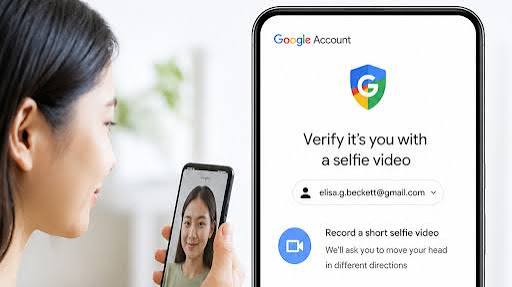
IMAGE CREDIT: Google
Rather than replacing existing sign-in methods, selfie video serves as an additional recovery tool for users who are unable to access their primary device or traditional authentication methods.
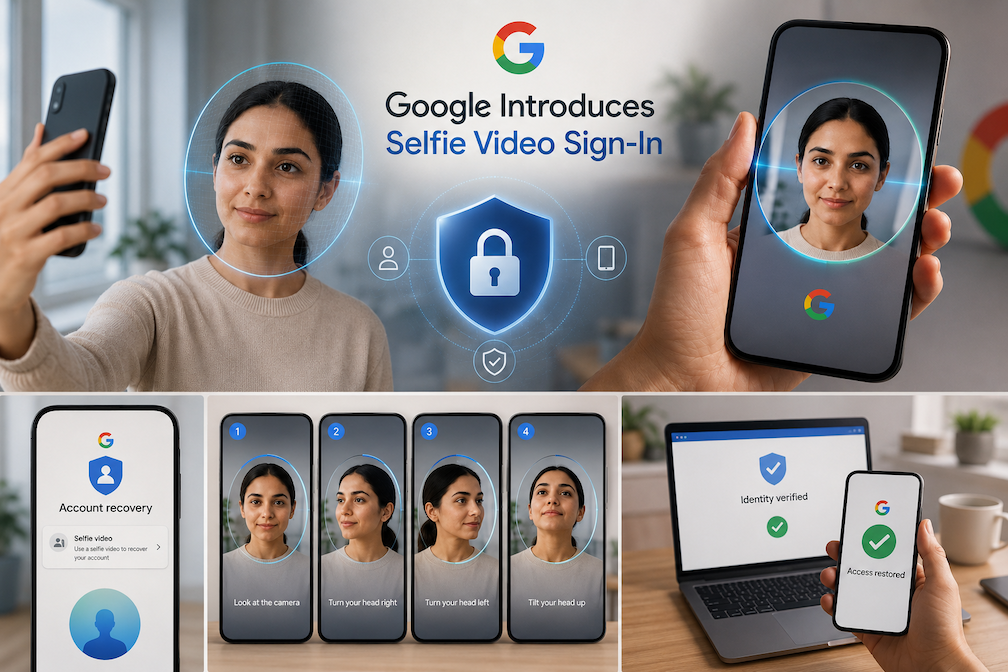
To enroll, users are asked to record a short guided selfie video by looking into their device’s camera and following simple prompts that capture multiple angles of their face.
If they later become locked out of their Google Account, they can record another guided selfie video. Google compares the new recording with the previously enrolled video to verify the user’s identity before restoring access.
The company said the feature is intended to make account recovery both more convenient and more secure, particularly for users who may not have immediate access to their trusted phone or computer.
Designed to defend against deepfakes

IMAGE CREDIT: Google
As AI-generated images and videos become increasingly convincing, identity verification systems are facing new challenges.
Google said the selfie video feature incorporates multiple security checks to reduce the risk of impersonation using manipulated media, including AI-generated deepfakes.
Instead of relying on a still photograph, the verification process requires users to perform simple guided movements during recording, allowing Google’s systems to confirm that the submission is from a live person rather than a static image or fabricated video.
The company also compares the live recording against the user’s previously enrolled selfie video while applying its existing security systems to identify suspicious sign-in activity.
Privacy controls remain with users
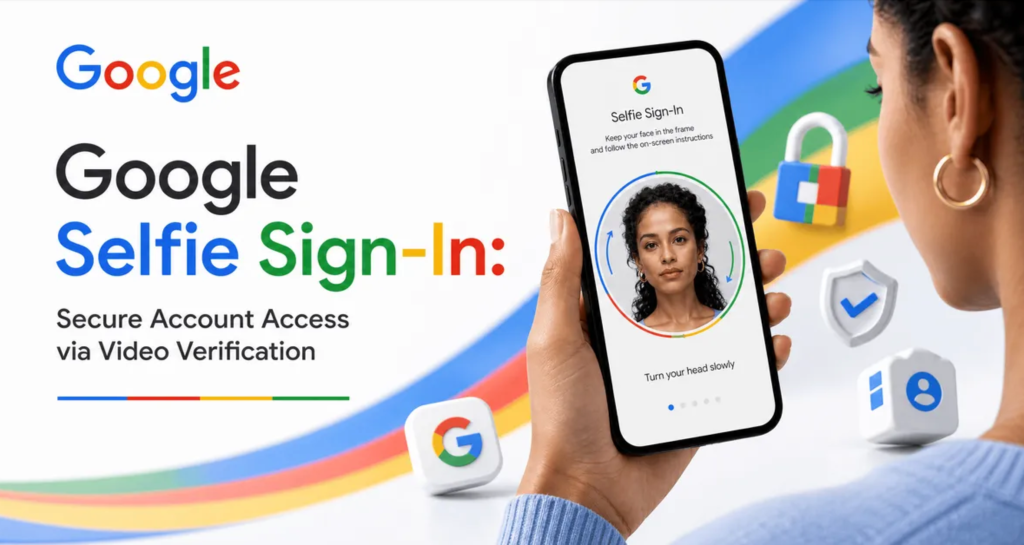
IMAGE CREDIT: Google
Google emphasized that the feature was developed with privacy controls built in.
Users must explicitly consent before recording and storing their selfie video, which is encrypted while stored on Google’s systems. The video is used solely for account sign-in and recovery unless users separately choose to share it for other purposes.
The company added that users can delete their stored selfie video at any time through their Google Account settings, giving them continued control over the feature.
Part of Google’s broader authentication strategy
The launch builds on Google’s continued shift toward stronger and more flexible authentication methods, including passkeys and recovery contacts, as the company seeks to reduce reliance on passwords alone.
As cybercriminals increasingly use AI-powered phishing attacks, stolen credentials, and synthetic media to compromise online accounts, technology companies have been expanding the range of identity verification tools available to users.
The introduction of selfie video reflects that broader trend — providing another recovery option that aims to balance ease of use with stronger protections against evolving threats.
Users who want to enable the feature can set up selfie video through their Google Account, while additional details are available on Google’s official security blog. To set up the selfie video today, go to g.co/signin-selfie.
For banks, digital wallets, and fintech companies operating in the Philippines, advances in identity verification such as selfie video authentication could help strengthen account recovery processes while reducing fraud, particularly as more financial services move online and cybercriminals increasingly use AI-generated content to target users.