
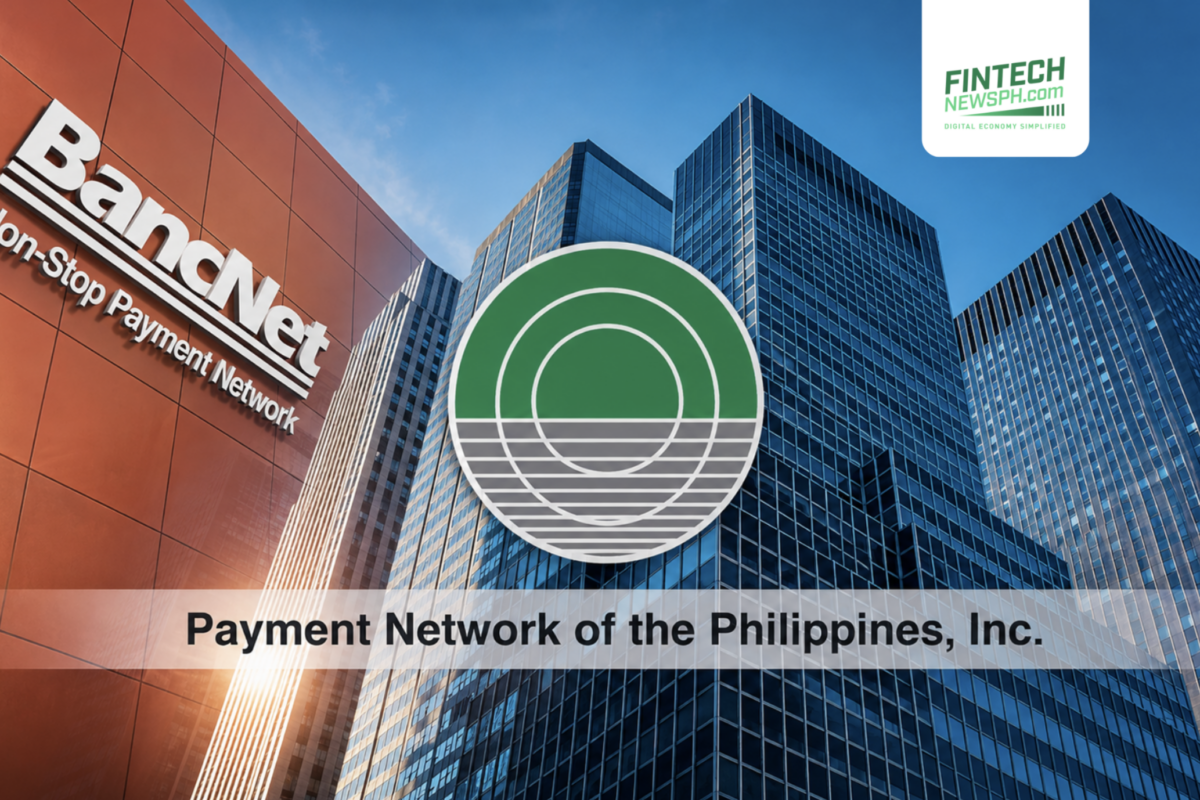
The Payments Network of the Philippines (PNP) continues to play a central role in the country’s digital finance ecosystem by operating the nation’s key payment systems, including InstaPay, PESONet, Payment versus Payment (PvP), and the Philippine Domestic Dollar Transfer System (PDDTS).
The organization also recently elected its 2026–2027 Board of Directors, reinforcing its commitment to advancing a secure, efficient, and interoperable payments landscape.
As digital transactions continue to grow across the Philippines, PNP remains a critical institution supporting real-time fund transfers, interbank settlements, and financial market transactions under the oversight of the Bangko Sentral ng Pilipinas (BSP).
Powering the country’s core payment systems
The Payments Network of the Philippines operates InstaPay and PESONet, both designated by the BSP as Prominently Important Payment Systems under the National Payment Systems framework.
These platforms have become integral to digital fund transfers for millions of Filipinos and businesses that rely on fast, secure, and convenient electronic payments.

InstaPay enables real-time, low-value electronic fund transfers, making it suitable for retail payments and person-to-person transactions. PESONet, meanwhile, facilitates batch processing for higher-value transfers, payroll disbursements, supplier payments, and other business transactions.
Together, the two payment systems have accelerated the country’s transition toward a more cash-lite economy by making digital transfers faster, more convenient, and widely accessible.
Supporting financial stability beyond retail payments
Beyond consumer payment systems, the Payments Network of the Philippines also operates Payment versus Payment (PvP) and the Philippine Domestic Dollar Transfer System (PDDTS), both designated by the BSP as Systematically Important Payment Systems.
These platforms support the settlement of high-value financial transactions that are essential to the stability of the Philippine financial system. PvP minimizes settlement risk in foreign exchange transactions by ensuring that one currency is transferred only if the corresponding currency is delivered. Meanwhile, PDDTS facilitates domestic US dollar fund transfers among participating financial institutions.
By operating these critical payment infrastructures, PNP helps strengthen the resilience, efficiency, and reliability of the Philippine financial system.
Strengthening governance for the future
The election of the Payments Network of the Philippines’ 2026–2027 Board of Directors comes at a time when digital payments continue to expand rapidly. Strong governance will be essential as payment systems evolve to meet increasing transaction volumes, cybersecurity requirements, and technological innovation.
The organization works closely with the BSP, banks, and payment service providers to help ensure that the country’s payment infrastructure remains secure, interoperable, and aligned with international standards. Continued collaboration among industry stakeholders will be key to supporting financial inclusion and maintaining public trust in digital payments.
As more Filipinos embrace digital banking and cashless transactions, continued investment in payment infrastructure will remain essential to sustaining the country’s digital economy.
Building the future of digital payments
The Payments Network of the Philippines has become a cornerstone of the nation’s financial infrastructure by operating payment systems that support both everyday retail transactions and critical financial market settlements. Through InstaPay, PESONet, PvP, and PDDTS, the organization continues to strengthen the efficiency and resilience of the Philippine payments ecosystem.
As digital payment adoption continues to rise, PNP is expected to remain instrumental in advancing secure, reliable, and interoperable payment services that support businesses, consumers, and the broader financial system.