


One in four Tala customers now uses loans to fund a business
For many Filipinos, starting a business isn’t about chasing a lifelong dream. More often, it’s a practical decision driven by the need to earn extra income, support a family, or recover from an unexpected financial setback.
That reality is increasingly reflected in how Filipinos use digital credit.
Tala said one in four of its five million customers in the Philippines now uses its loans for business purposes, underscoring the growing role of digital lending in helping nano and microentrepreneurs finance their day-to-day operations.
Across the country, sari-sari stores, home-based food businesses, online sellers, freelancers, and other small enterprises have become an important part of the local economy. While many begin with limited capital, sustaining operations—and eventually expanding—often requires access to additional funding.
Small loans, bigger opportunities
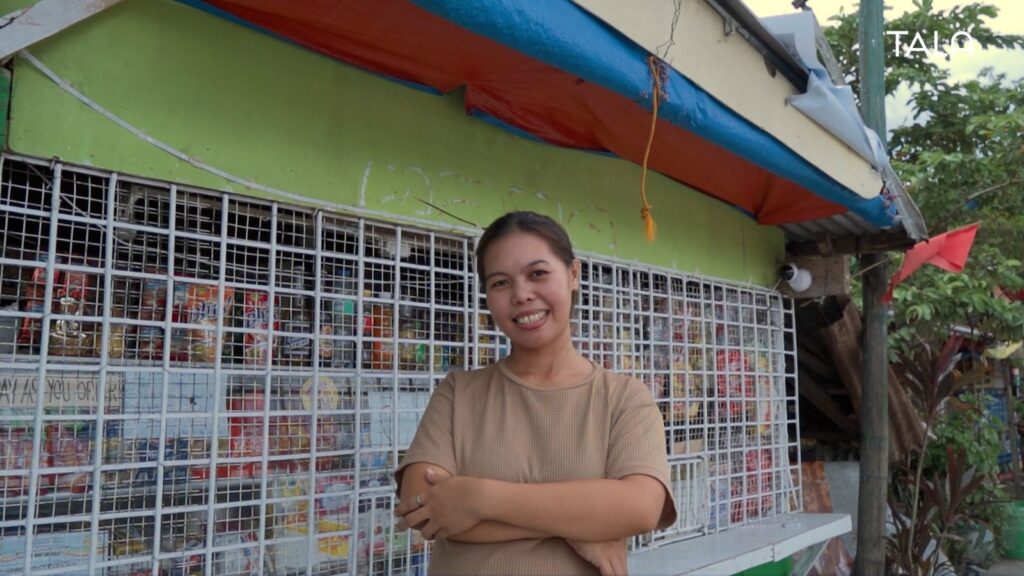
Ailyn: From housewife to breadwinner
Unlike larger businesses that can often tap bank financing or formal credit facilities, nano and microentrepreneurs frequently rely on personal savings or informal borrowing to fund their operations. For many, timely access to working capital can determine whether a business keeps moving forward or stalls.
That was the experience of Ailyn, a housewife from Misamis Oriental.
After her husband became seriously ill and could no longer work, Ailyn began selling home-cooked meals and snacks to help cover household expenses and medical bills while caring for their children at home.
As her small food business gradually built a loyal customer base, another challenge emerged when her mother also needed financial support. Looking for additional capital, she turned to Tala, which she said enabled her to keep the business running before eventually opening a sari-sari store.
“I used the loan wisely to keep the capital rolling. Even if I’m a housewife taking care of my children, I still want to have my own income,” Ailyn said.
Today, the store has become a more stable source of income for the family while allowing her to continue caring for her children. She has also started saving for their education—something she once thought would be out of reach.
Rebuilding after business setbacks
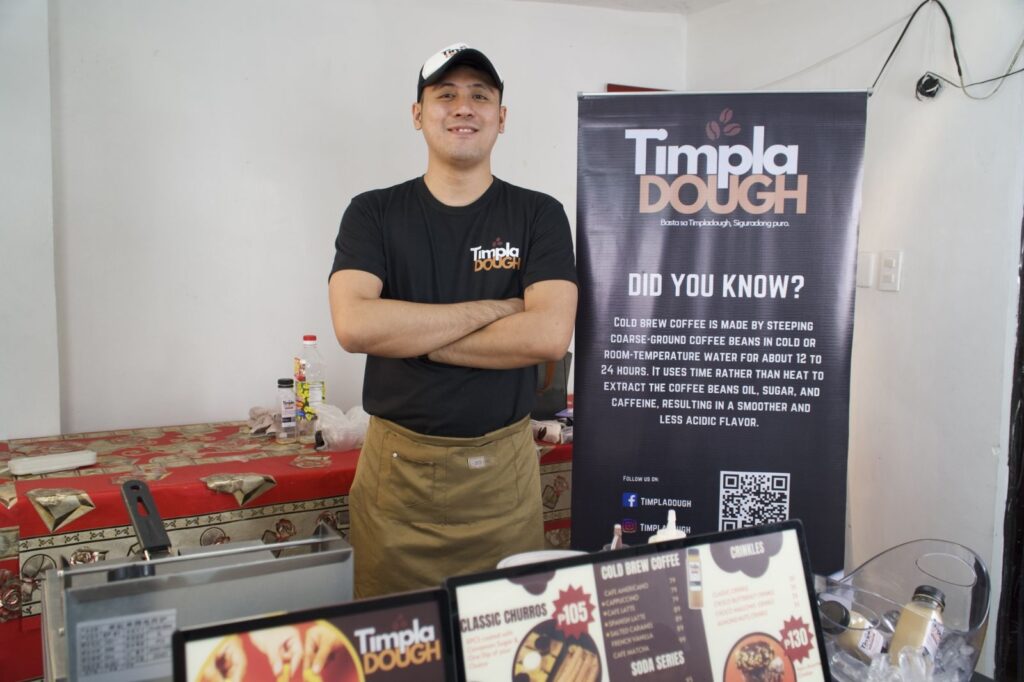
Kenniel: Brewing success
Kenniel’s entrepreneurial journey started from a different place.
Although he had a full-time job in the banking industry, he wanted to create another source of income. While working part-time as a food delivery rider after office hours, he noticed that many BPO employees were looking for quality coffee during long shifts.
That observation inspired him to start selling cold brew coffee from a small cart, a venture that eventually grew into Timpla Dough.
Like many entrepreneurs, Kenniel eventually encountered setbacks that depleted much of his working capital, making it difficult to sustain the business.
He said financing from Tala allowed him to restart operations and continue investing in its growth.
“Tala earned my trust because it became like a friend to me. It has been there through everything I’ve gone through and witnessed every step of my journey,” Kenniel said.
Today, Timpla Dough continues to grow, illustrating how access to timely financing can help entrepreneurs recover from setbacks and pursue new opportunities.
Beyond access to credit

IMAGE CREDIT: Tala
According to Tala, stories like Ailyn’s and Kenniel’s have become increasingly common as more borrowers use digital loans not only for emergencies but also as working capital for their businesses.
The company has also introduced Grow with Tala, an in-app feature that allows customers to monitor their financial progress, track upcoming milestones, and preview future guaranteed credit limit increases.
The feature complements Tala’s Debt with Dignity initiative, which promotes transparency and respectful lending practices.
“Nano and microentrepreneurs are unseen economic engines that drive growth at the grassroots level,” said Moritz Gastl, President and General Manager of Tala Philippines.
“We aim to back their growth by providing access to convenient and flexible credit that they can use as capital to sustain or even scale their businesses, and ultimately, achieve their financial goals,” he said.
Strengthening financial inclusion
The experiences of Ailyn and Kenniel reflect a broader trend among Filipino entrepreneurs. While determination and hard work remain essential, access to affordable financing can provide the breathing room needed to keep a business operating, replenish inventory, or invest in future growth.
As digital lending platforms expand their reach, they are playing a growing role in improving financial inclusion by making credit more accessible to entrepreneurs who have traditionally found it difficult to obtain financing through conventional channels.
For many Filipino nano and microentrepreneurs, access to capital is more than a source of funding. It represents an opportunity to build more sustainable livelihoods, strengthen household incomes, and gradually grow businesses that support both their families and their communities.