Invisible payments are becoming part of everyday life in the Philippines, even when consumers do not immediately recognize them as a separate payment experience.
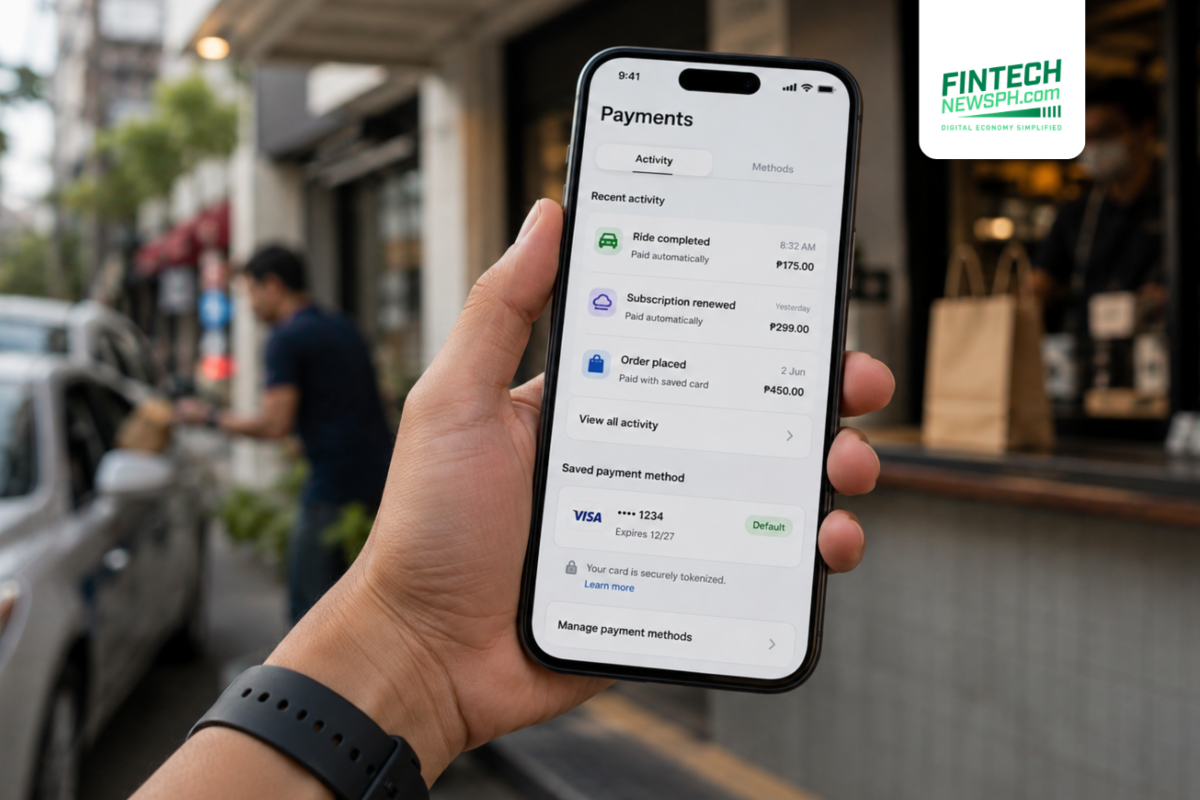
A ride-hailing fare is charged after a trip. A streaming subscription renews at the end of the month. A shopping app remembers a customer’s preferred card, while a delivery platform allows an order to be completed without repeatedly entering payment information.
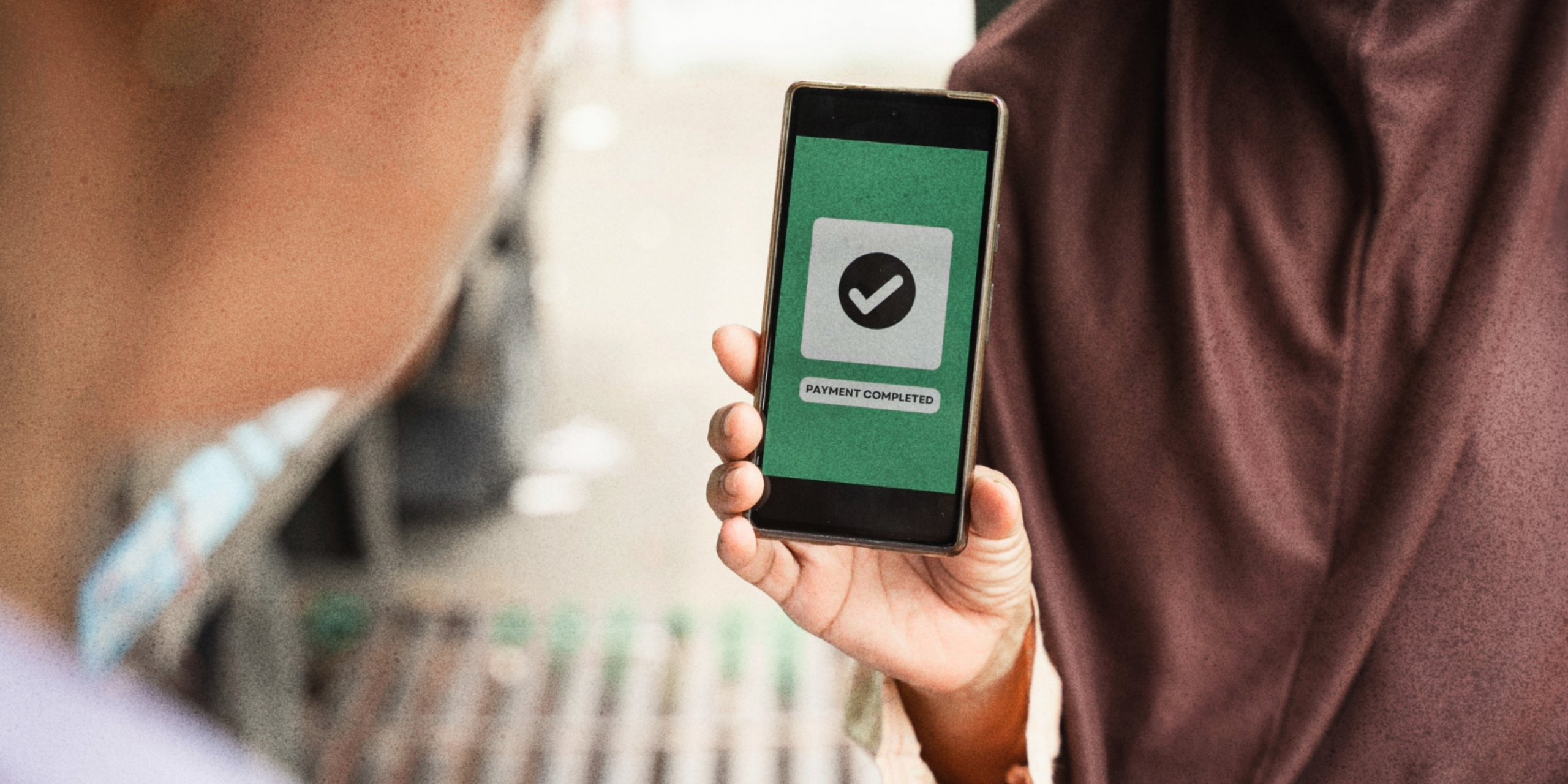
Money is still being transferred, but the moment of payment is becoming less visible.
In a recent article on the rise of invisible payments, digital financial services company Paysky argued that the future of payments is not simply about making checkout faster. It is about allowing the payment step to fade into the wider customer experience through one-click purchases, automatic subscriptions, embedded finance, and other background transactions.
What makes a payment “invisible”?
An invisible payment is not a transaction that happens without authorization. It is a payment in which the customer does not have to complete the full checkout process every time money changes hands.
During a traditional card transaction, a customer may need to enter a card number, expiration date, security code, one-time password, and billing information. An invisible payment reduces or removes several of these visible steps after the customer has completed an earlier registration or authorization process.

The customer might store a card in an application, connect an e-wallet, approve an automatic debit arrangement, or agree to a recurring subscription. Future transactions can then be processed using the customer’s stored payment credentials and previously established permissions.
The result is a payment experience that feels like part of another activity. Consumers may think they are booking a ride, renewing a mobile service, ordering dinner, or paying a monthly bill rather than initiating a separate financial transaction.
Tokenization works behind the checkout screen
One of the technologies making invisible payments possible is payment tokenization.
Tokenization replaces sensitive payment information, such as a card’s primary account number, with a different digital value called a token. According to EMVCo’s explanation of payment tokenization, a token can be limited to a particular merchant, device, or payment situation.
For example, when a customer saves a card in a shopping application, the merchant does not necessarily need to retain and repeatedly transmit the actual card number. A token representing that card can be stored and used for later transactions.
The token is connected to the original payment credential through a secure token service. If the token is exposed, its restrictions can make it less useful to a fraudster than the actual card number.
This helps explain why customers can return to an application and pay without typing the same card details again. The merchant or platform recognizes the stored token and submits it through the payment network when the customer confirms the purchase.
Tokenization is also used by digital wallets and card-on-file services. Visa says its tokenization technology converts sensitive payment credentials into unique digital values that can support more secure in-app, online, and recurring transactions.
One-click checkout removes repeated data entry
One-click checkout takes the stored-payment model further.
Instead of asking returning customers to enter their full payment and delivery information, the platform can retrieve information that the customer previously provided. The customer may only need to select a saved payment method, confirm the purchase, or authenticate using a password, fingerprint, facial recognition, or one-time code.
The payment is not always completed with literally one click. Banks and payment providers may still require additional authentication when a transaction appears unusual or carries a higher risk.
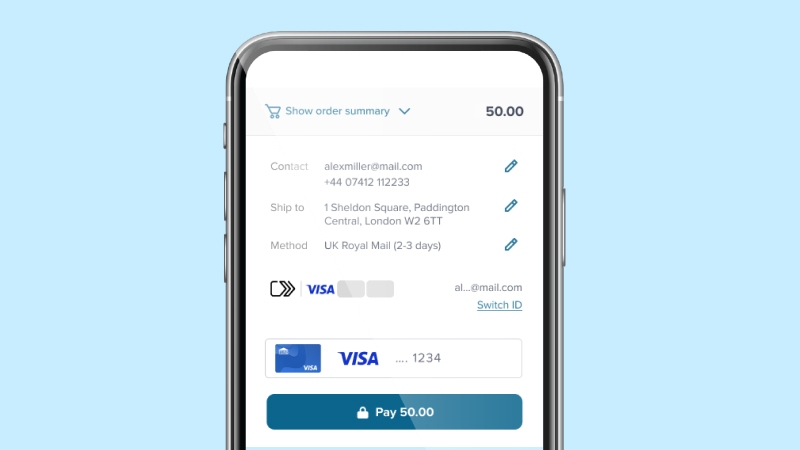
However, the customer no longer needs to rebuild the transaction from the beginning. Visa’s Click to Pay service, for example, is designed to replace repeated manual card-number entry with tokenized payment credentials.
For merchants, fewer checkout steps can reduce the chance that a customer abandons a purchase. For consumers, the convenience can make small and frequent digital purchases feel almost immediate.
Embedded finance puts payments inside other services
Invisible payments are also closely connected to embedded finance.
Embedded finance refers to financial services being built directly into a platform whose primary purpose may not be banking. Payment, credit, insurance, or wallet functions can be offered inside an e-commerce marketplace, transport application, delivery platform, social commerce service, or business-management system.
The consumer does not need to leave the application, open a separate bank page, or consciously switch to a different financial service. Payment becomes one step in completing the larger activity.
A ride-hailing customer, for example, chooses a destination rather than manually initiating a payment. The application calculates the fare and uses the selected payment method when the trip ends.
A marketplace may also allow a shopper to purchase an item, obtain financing, pay the seller, and arrange delivery without leaving the platform. The financial services are present, but they are embedded within the shopping experience.
The World Bank has noted that embedding financial services into digital platforms is blurring traditional boundaries between financial and non-financial companies. This creates opportunities for wider access but also requires regulators to consider which companies control customer data, payment decisions, and financial relationships.
Recurring payments are becoming easier to forget
Subscriptions and automatic bill payments are another form of invisible payment.
A customer authorizes a company to charge a saved card, bank account, or wallet according to an agreed schedule. The payment may then continue every week, month, or year without requiring the customer to actively approve each transaction.
This can be useful for mobile plans, streaming services, software subscriptions, insurance premiums, loan repayments, rent, utilities, and other regular obligations.
The Bangko Sentral ng Pilipinas has identified direct debit as a way for customers to manage recurring obligations by authorizing billers to collect funds from their accounts. Its payment initiatives have included recurring use cases such as rentals, loan amortizations, and insurance premiums.
The rise of recurring payments is happening as digital transactions become increasingly common. Digital payments represented 57.4 percent of monthly retail payment volume and 59 percent of value in the Philippines in 2024, according to the BSP’s latest published e-payments measurement results.
As more payment credentials are stored across applications, consumers may have difficulty remembering every company that has permission to charge them.
Convenience can reduce awareness of spending
The benefit of invisible payments is also their main risk.
Removing checkout friction can make services easier to use, but it can also reduce the pause that allows consumers to reconsider a purchase. A person may spend more frequently because each transaction feels less significant than handing over cash or manually transferring money.
Automatic renewals can continue after a customer stops regularly using a service. Free trials may become paid subscriptions, while small monthly charges can accumulate across several platforms.
Stored payment methods can also create confusion about which card, account, or wallet was charged. Consumers may only notice a payment after receiving a notification or reviewing their transaction history.
Payment providers and merchants therefore need to make convenience compatible with transparency. Customers should receive clear information before authorizing recurring charges, understand how frequently they will be billed, and have a practical way to cancel or change the arrangement.
Notifications, spending records, subscription dashboards, authorization limits, and easy cancellation processes will become increasingly important as the checkout screen disappears.
Invisible payments should remove unnecessary steps, not remove the customer’s control.