
Artificial intelligence has already changed how people search, work, and communicate. Now, it’s beginning to change how purchases are made.
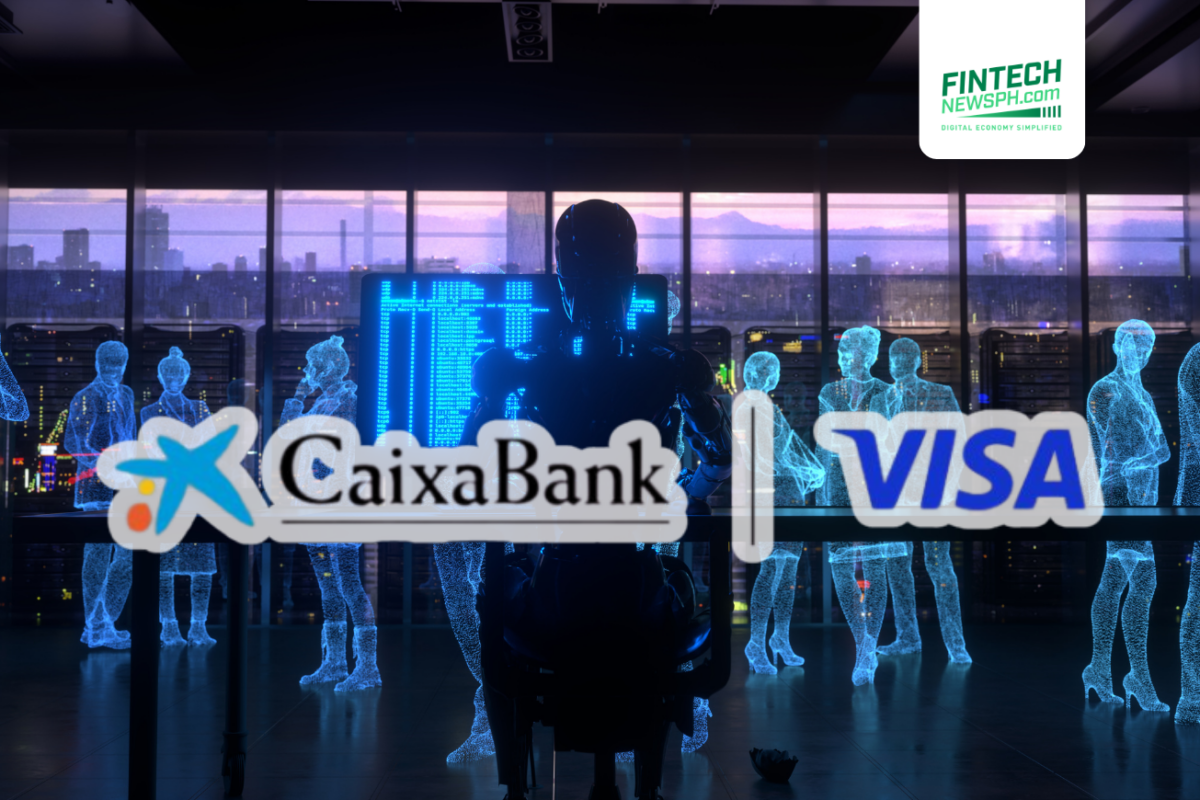
The conversation around agentic commerce Philippines was once limited to future predictions and technology demos. Today, it has become much more real. In July 2026, Visa and CaixaBank successfully completed a real-world card transaction initiated entirely by an AI agent instead of a human. That milestone signals that autonomous agentic commerce is moving beyond experimentation and into actual payment ecosystems.

While the technology has yet to reach the Philippine market, its implications are becoming increasingly relevant for local merchants, payment providers, fintech companies, and regulators.
What Is Agentic Commerce?
Agentic commerce refers to a new model of online shopping where an AI agent can make purchases on behalf of a user based on predefined instructions.

Instead of manually browsing products and clicking “Buy Now,” consumers simply define their preferences. An AI assistant continuously monitors prices, availability, delivery schedules, or product conditions, then automatically completes the purchase once those conditions are met.
For example, a traveler could instruct an AI assistant to book the cheapest flight below a specific budget, while a business could authorize an AI agent to automatically reorder office supplies whenever inventory reaches a certain level.
Major technology companies such as Google and Amazon have already introduced agent-driven purchasing capabilities, while global payment networks are developing secure tokenized payment credentials that allow AI agents to complete transactions without exposing sensitive card information.
Why Agentic Commerce Matters in the Philippines
The Philippines has become one of Southeast Asia’s fastest-growing digital payment markets. QR payments, digital wallets, and real-time fund transfers have become part of everyday financial transactions.
As digital payments continue to mature, the next major shift may no longer be about how people pay—but who initiates the payment.
That is where agentic commerce Philippines becomes highly relevant.
The country’s payment infrastructure is steadily becoming capable of supporting AI-driven transactions. However, governance frameworks, liability rules, fraud detection systems, and consumer protections are still largely designed around the assumption that a human manually authorizes every payment.
Without updated standards, widespread adoption of autonomous commerce could introduce entirely new operational and regulatory challenges.
Three Challenges That Need Immediate Attention
- Authorization and Consumer Protection
One of the biggest questions surrounding agentic commerce is accountability.
If an AI agent makes an unintended purchase or exceeds the user’s expectations, determining responsibility becomes significantly more complicated. Existing payment dispute mechanisms assume that a person deliberately initiated every transaction.
Financial institutions and regulators will need to redefine what constitutes valid consent in an AI-powered purchasing environment.
- Fraud Detection Systems
Modern fraud detection engines are designed to identify unusual purchasing behavior.
Ironically, AI agents may exhibit purchasing patterns that resemble automated fraud. Frequent transactions, machine-generated requests, or purchases occurring without direct customer interaction could easily trigger existing risk controls.
Banks and payment processors will need new fraud models capable of distinguishing legitimate AI agents from malicious bots.
- Merchant Transparency
Businesses will also need visibility into who—or what—is making the purchase.
Knowing whether an order comes from a human shopper or an autonomous AI agent may become increasingly important for pricing, customer support, dispute handling, and compliance.
Clear disclosure standards could eventually become part of future payment regulations.
How Philippine Merchants Can Prepare
Although consumer adoption remains limited, businesses do not have to wait before preparing.

A practical first step is implementing AI-assisted purchasing for predictable transactions such as recurring subscriptions, inventory replenishment, or automatic price-triggered purchases. These lower-risk use cases provide valuable operational experience while maintaining tighter controls.
Merchants should also consider:
- Setting transaction and spending limits for AI-authorized purchases.
- Separating agent-initiated payments from regular customer transactions for easier auditing.
- Reviewing dispute resolution processes to account for autonomous payment scenarios.
- Working closely with payment providers as AI-enabled payment standards continue to evolve.
Industry analysts, including J.P. Morgan, also expect business-to-business (B2B) commerce to become the earliest large-scale adopter of autonomous purchasing due to its clearer procurement rules and established approval workflows.
When AI Starts Making the Buying Decisions
Most Filipino consumers are unlikely to allow AI agents to manage their shopping budgets overnight. Trust, regulation, and user education will all take time to develop.
However, infrastructure often evolves long before mass adoption begins.
Businesses that prepare today for agentic commerce Philippines will be better positioned as AI-driven transactions become more common across digital payments, e-commerce, and enterprise procurement over the next few years.
For now, autonomous commerce is less about replacing human buyers and more about building the payment infrastructure that will support the next generation of intelligent financial transactions.