

As artificial intelligence increasingly shapes how consumers search for products online, payments platform HitPay has introduced a feature that automatically makes every HitPay Online Store across Southeast Asia discoverable by AI shopping assistants, allowing small businesses to appear in AI-generated shopping recommendations without additional setup costs.
The company said the capability is now enabled by default for all active HitPay Online Stores across the region at no additional charge, requiring no developer integration or configuration beyond the platform’s standard transaction fees.
The move comes as AI-powered shopping gains momentum globally, with consumers increasingly turning to conversational AI platforms such as ChatGPT and Perplexity for product recommendations instead of relying solely on traditional search engines.
According to Bain & Company, 39% of consumers in the Asia-Pacific region already use AI when shopping online, while another 40% expect to do so in the future. Separately, McKinsey estimates that AI-driven commerce could account for between US$3 trillion and US$5 trillion in global retail spending by 2030.
Helping SMEs stay visible in the AI era
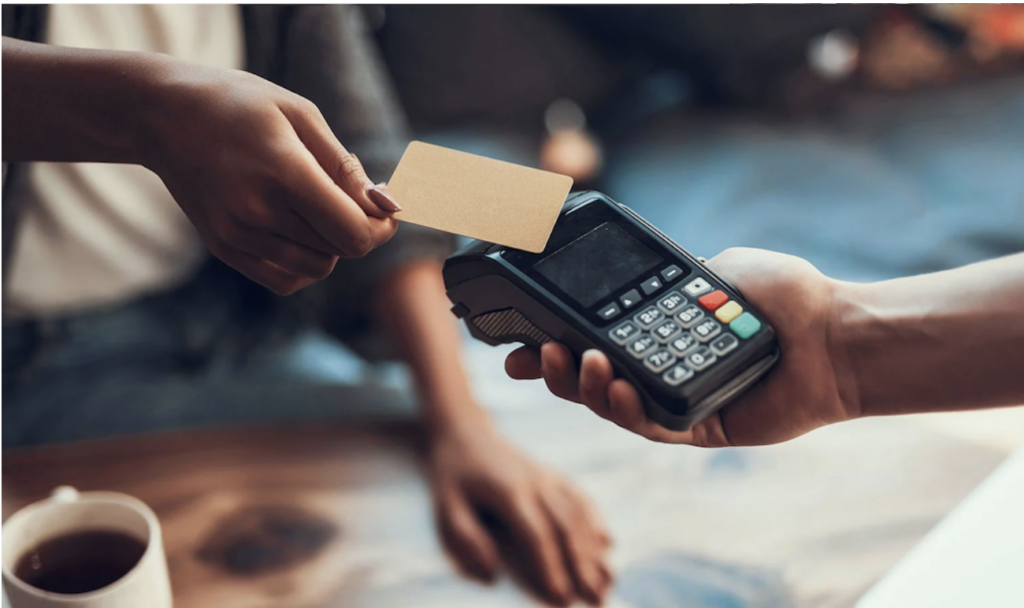
IMAGE CREDIT: Hitpay
HitPay said the new capability is designed to address a growing challenge facing small businesses as shopping behavior evolves.
While larger retailers often have the technical resources to optimize their online presence for AI-powered search and shopping experiences, many small and medium-sized enterprises (SMEs) lack the expertise and budget required to make their product catalogs accessible to AI systems.
The platform now automatically publishes machine-readable product catalogs that include product names, prices, and inventory information, allowing AI shopping assistants to access updated information throughout the day. Stores also include signals that identify them as available for AI shopping agents.
Rather than focusing on completing purchases directly inside AI assistants, HitPay said its immediate priority is ensuring merchants can be discovered as AI-assisted shopping becomes more common.
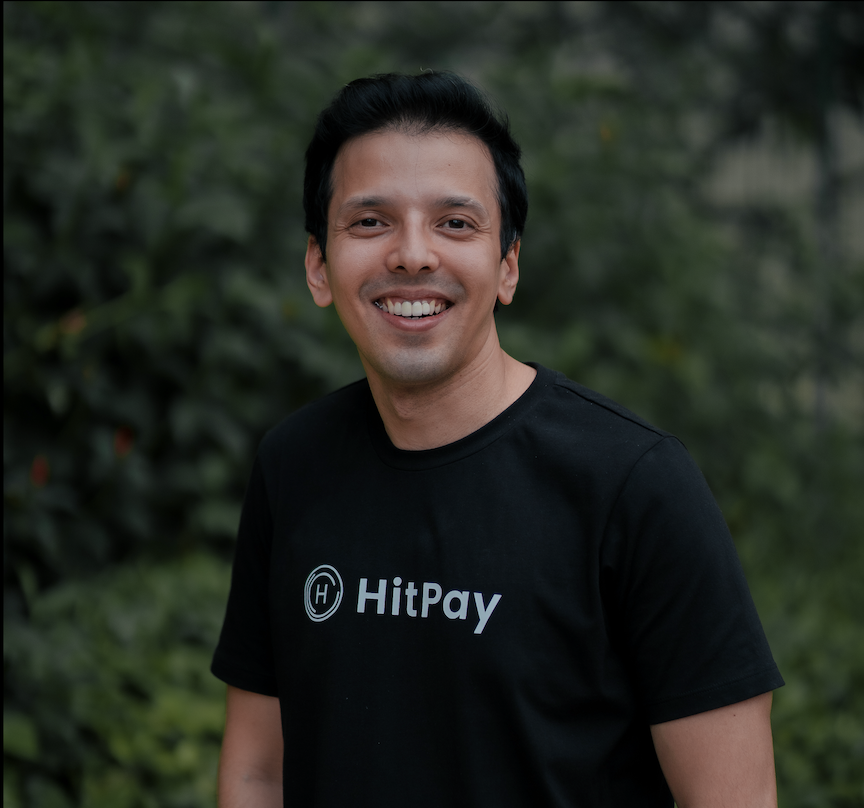
Aditya Haripurkar, co-founder and CEO of HitPay
“AI has a choice to make in Southeast Asia, and so do the platforms that sit underneath it,” said Aditya Haripurkar, co-founder and CEO of HitPay.
“Every previous wave of digital commerce concentrated advantage at the top, where businesses with the biggest budgets got found first. AI could follow the same pattern, or it could become the first channel that genuinely levels discovery for the small businesses that make up most of this region’s economy.”
Haripurkar added that the company wants even small merchants — including home-based businesses and independent retailers — to be as discoverable as larger brands without requiring additional technical investment.
AI shopping emerges as a new discovery channel
HitPay noted that Southeast Asia’s SMEs account for the vast majority of businesses across the region and employ nearly half of its workforce. Traditionally, many of these merchants have relied on social media platforms, messaging applications, and online marketplaces to reach customers.
The company believes AI assistants are emerging as an additional discovery channel rather than a replacement for existing digital commerce platforms.
Industry research cited by HitPay also suggests businesses are preparing for that transition. Around nine in ten retail executives in Asia-Pacific expect AI to become a more important product discovery tool than traditional search by 2026, although many smaller businesses remain constrained by the cost of implementing AI-ready commerce infrastructure.
The new capability is available through HitPay Online Store, the company’s no-code e-commerce platform, which supports more than 50 payment methods across Southeast Asia, including PayNow, QR code payments, Grab PayLater, SPayLater by ShopeePay, Atome, bank transfers, cards, and digital wallets.
Founded in 2016 and headquartered in Singapore, HitPay serves more than 20,000 businesses across the Asia-Pacific region and is regulated by financial authorities including the Monetary Authority of Singapore (MAS), Bangko Sentral ng Pilipinas (BSP), Bank Negara Malaysia (BNM), AUSTRAC, and FinCEN.