Message your bank at 11 p.m., and someone answers. Increasingly, that someone is an AI model rather than a person — and for a growing number of customers, that’s an upgrade. The story of AI in Philippine banking is not one of disappearance. It is one of availability, at a scale physical branches never managed.
Four places where AI already works
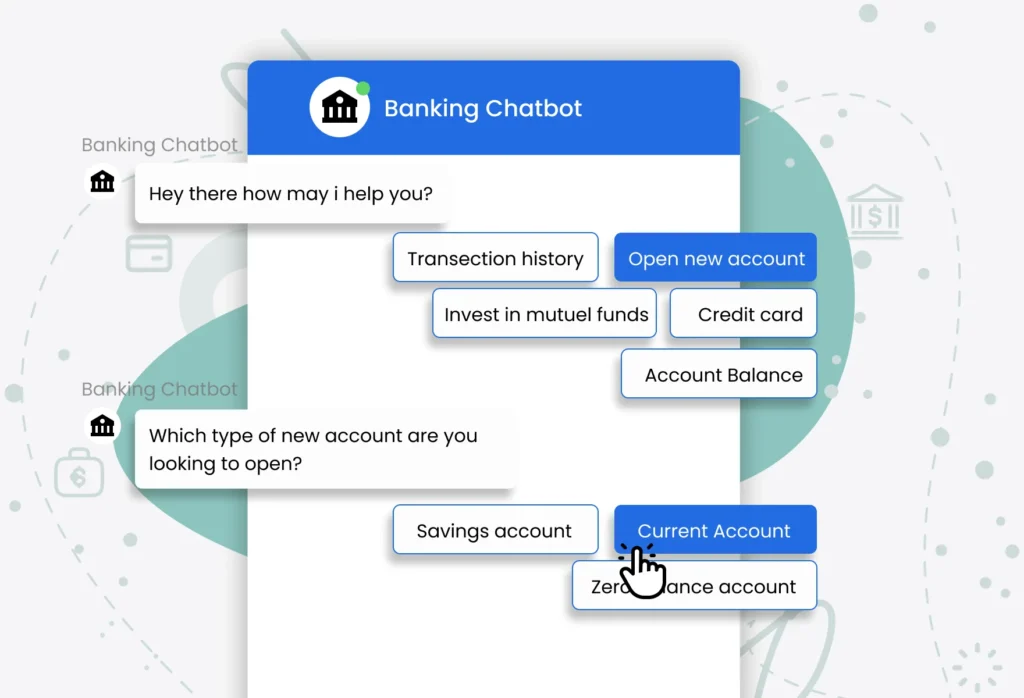
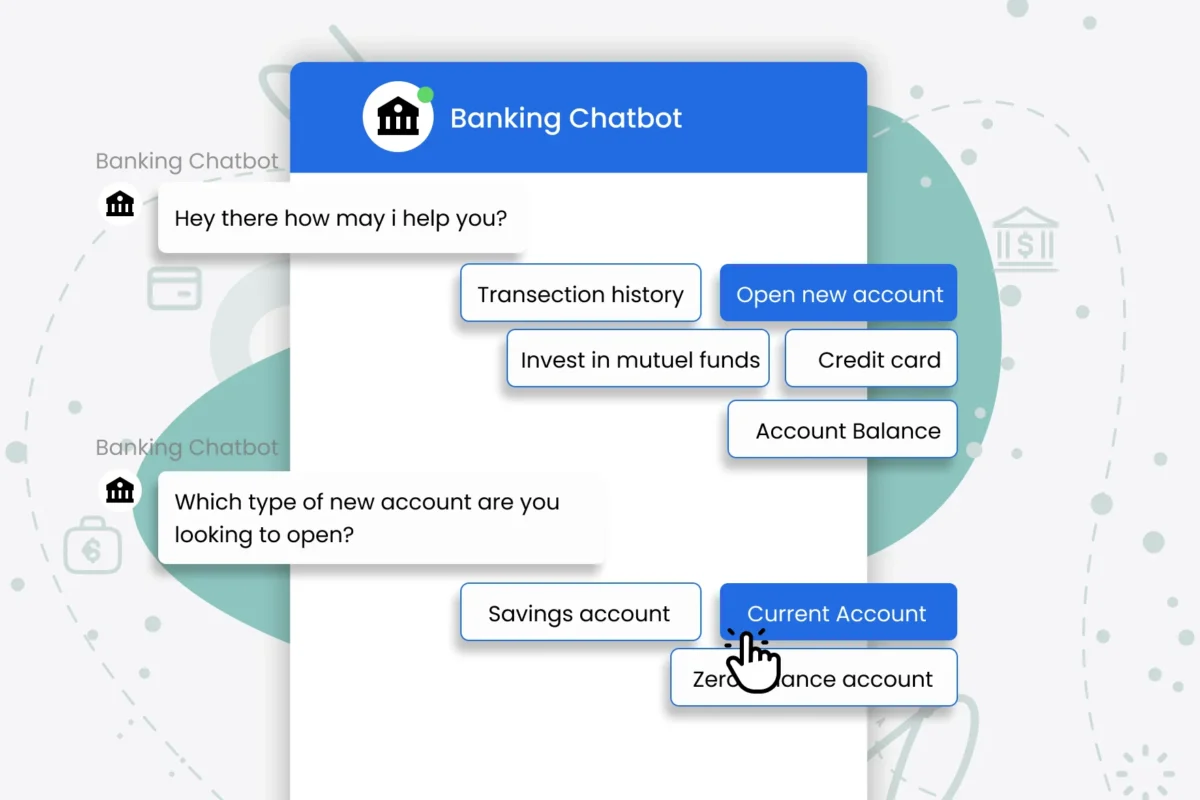
Chat support now handles balance inquiries and card-blocking requests in seconds. Fraud detection systems score transactions in real time instead of relying on overnight batch processing — an approach also being adopted by GCash as it places AI at the center of its security strategy.
Onboarding increasingly relies on document capture and facial verification, part of the broader digital-identity overhaul reshaping Know Your Customer (KYC) processes across Philippine financial institutions. AI-powered financial assistants can also identify spending patterns that customers might never have noticed on their own.
Adoption of AI in Philippine banking is being led by larger institutions. Meanwhile, research by the Philippine Institute for Development Studies (PIDS) on financial inclusion found that cooperatives and savings banks continue to face resource constraints. That is less a warning than a roadmap showing where the next opportunities for AI adoption may lie.
The BSP laid the groundwork
On June 24, 2026, the Bangko Sentral ng Pilipinas (BSP) issued Memorandum No. M-2026-031, outlining governance principles for AI in financial services based on five pillars: sustainability, transparency, accountability, responsibility, and security — collectively known as STARS.
The principles are non-binding, and that may be their greatest strength. A common framework introduced early, before poor practices become entrenched, helps build trust across the sector rather than forcing regulators to respond after problems emerge.

Filipinos are meeting AI halfway
Research by Innovations for Poverty Action, conducted with the BSP, found that chatbots provide fast, real-time support for routine inquiries but still struggle with more complex cases.
Globally, only 18% of consumers are comfortable allowing AI to make important financial decisions independently.
Read that as a design brief, not a verdict.
People value speed, but they also want a human when the stakes are higher. Both expectations are achievable — and the institutions that successfully deliver both are likely to pull ahead.
The hybrid model is emerging
The strongest examples of AI in Philippine banking are not replacing customer service teams. Instead, they are reducing routine workloads so employees can focus on cases that require human judgment, such as disputes, financial hardship, and complex fraud investigations.
If done well, AI in Philippine banking can make financial institutions feel more accessible — not more distant.