
For decades, opening a bank account meant lining up at a branch, filling out stacks of forms, and presenting multiple IDs to satisfy Know Your Customer (KYC) requirements.
Today, financial institutions are reimagining that process through digital identity, making customer verification faster, safer, and more convenient.
While these procedures are an effective safeguard against fraud and essential step in complying with industry regulations, they can be very extensive and expensive, especially for individuals with limited resources and those living in remote communities.
According to the World Bank, 800 million people around the globe still lack an official physical ID, while far more lack digitally verifiable credentials.
In addressing these persistent worldwide challenges, fast, secure, inclusive, and highly interoperable digital identity systems are becoming a critical enabler for the fintech sector, particularly in the Philippines.
The building blocks of digital identity

Digital identity is helping address these challenges through the Electronic Know Your Customer (eKYC).
Instead of relying on manual review, eKYC enables customers to prove their authenticity remotely by using a smartphone, uploading a government-issued ID and taking a selfie.
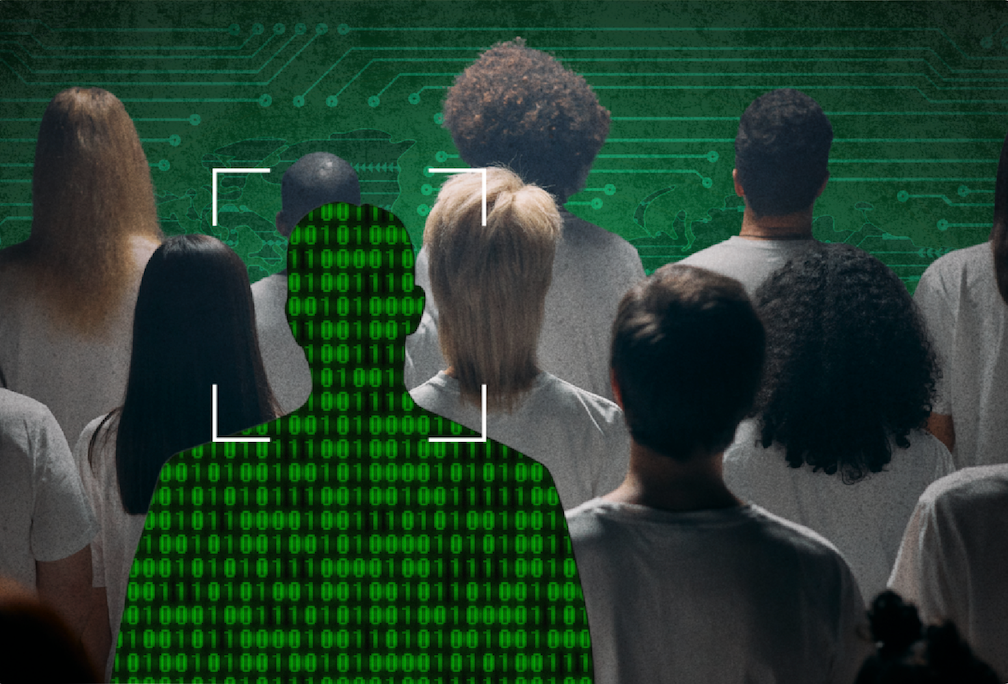
To ensure that applicants are who they claim to be, eKYC streamlines the verification through automated database checks and technologies such as biometric authentication.
This process collects unique physical characteristics such as facial features, fingerprints, iris patterns, or even voice recognition to act as a digital credential or a digital password.
According to the Acuity Biometric Digital Identity Flagship Prism Report, biometric digital identity solutions can help financial institutions reduce customer onboarding times by up to 60%, demonstrating their significant impact across the industry.
Among the key companies specializing in biometric identity verification is iProov.
At the forefront of making digital onboarding both secure and convenient, iProov uses facial biometric technology with artificial intelligence (AI) and liveness detection to verify not only that a user’s face matches their ID, but also that they are genuinely present during verification.
This prevents spoofing attacks using photos, recorded videos, or AI-generated deepfakes which are becoming increasingly common.
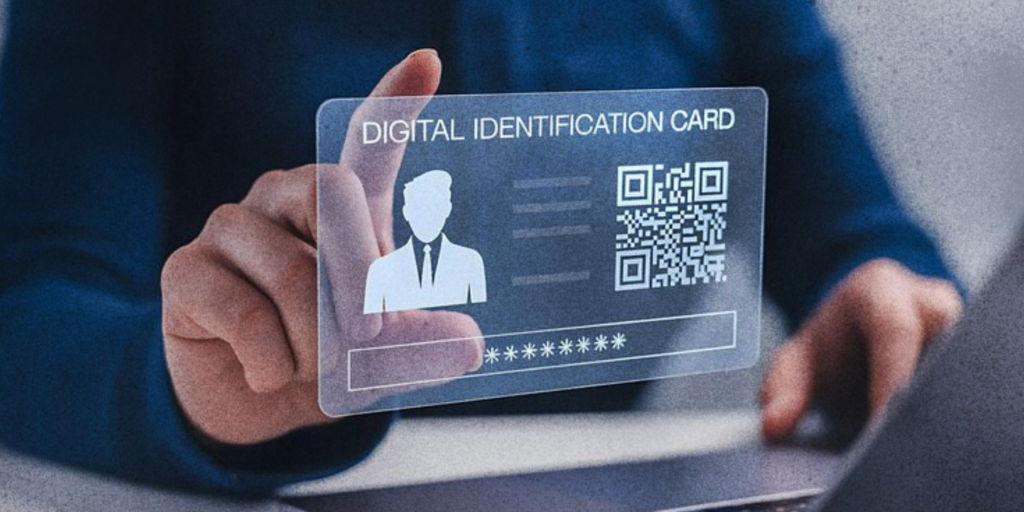
Digital IDs also play a vital role in reinforcing digital identity. Once verified, it serves as a trusted digital credential that securely represents an individual electronically.
In the Philippines, this role is being fulfilled by the Philippine Philippine Identification System (PhilSys). Through the eGovPH app, eligible citizens can access a Digital National ID that helps simplify identity verification for both government and financial services.
Why interoperability in identity systems matters
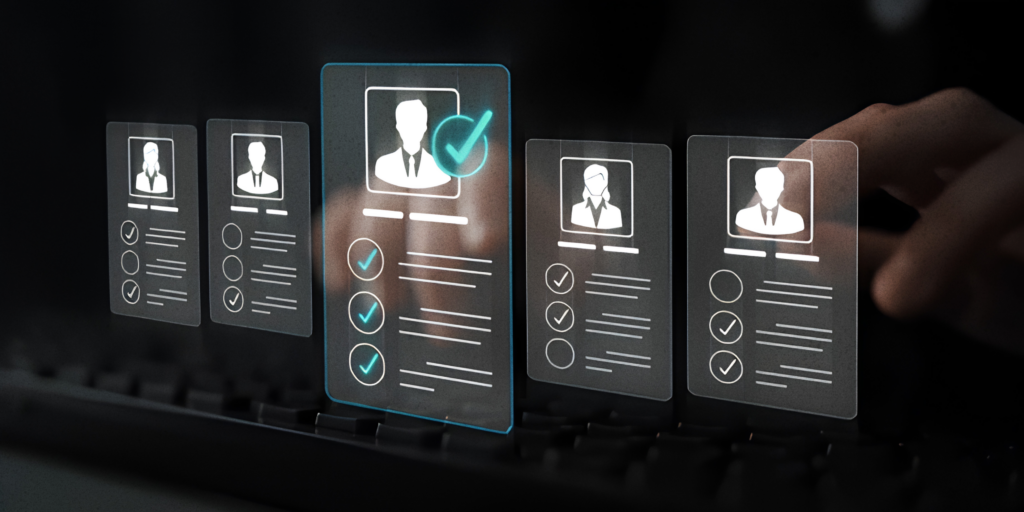
Having a digital identity is only the starting point. To unlock its true potential, these identity systems need to be fully interoperable, meaning trusted identity information can be recognized across multiple public and private institutions.
Imagine not having to jump through the same identity verification process every time you sign up for a new bank account, fintech app, or government agency.
With a single, cross-compatible digital credential, users can skip those repetitive hurdles altogether.
This not only eliminates redundant identity verification steps and speeds up onboarding, but it also creates a far better user experience without compromising on privacy or security.
Unlocking faster onboarding, financial inclusion, and stronger cybersecurity

Although the technology behind it may seem complex, digital identity is just an extension of our physical identity that provides practical and economic benefits.
As the Philippine digital economy continues to grow, digital identity is expected to become more than just a convenient feature. It is increasingly becoming the framework for faster onboarding, stronger cybersecurity, and broader access to financial services.
If implemented securely and responsibly, it could help remove one of the biggest barriers to financial inclusion — which is not a lack of public interest, but rather a long, arduous, and strict identity verification process — finally enabling unbanked Filipinos to fully participate in the digital economy.