

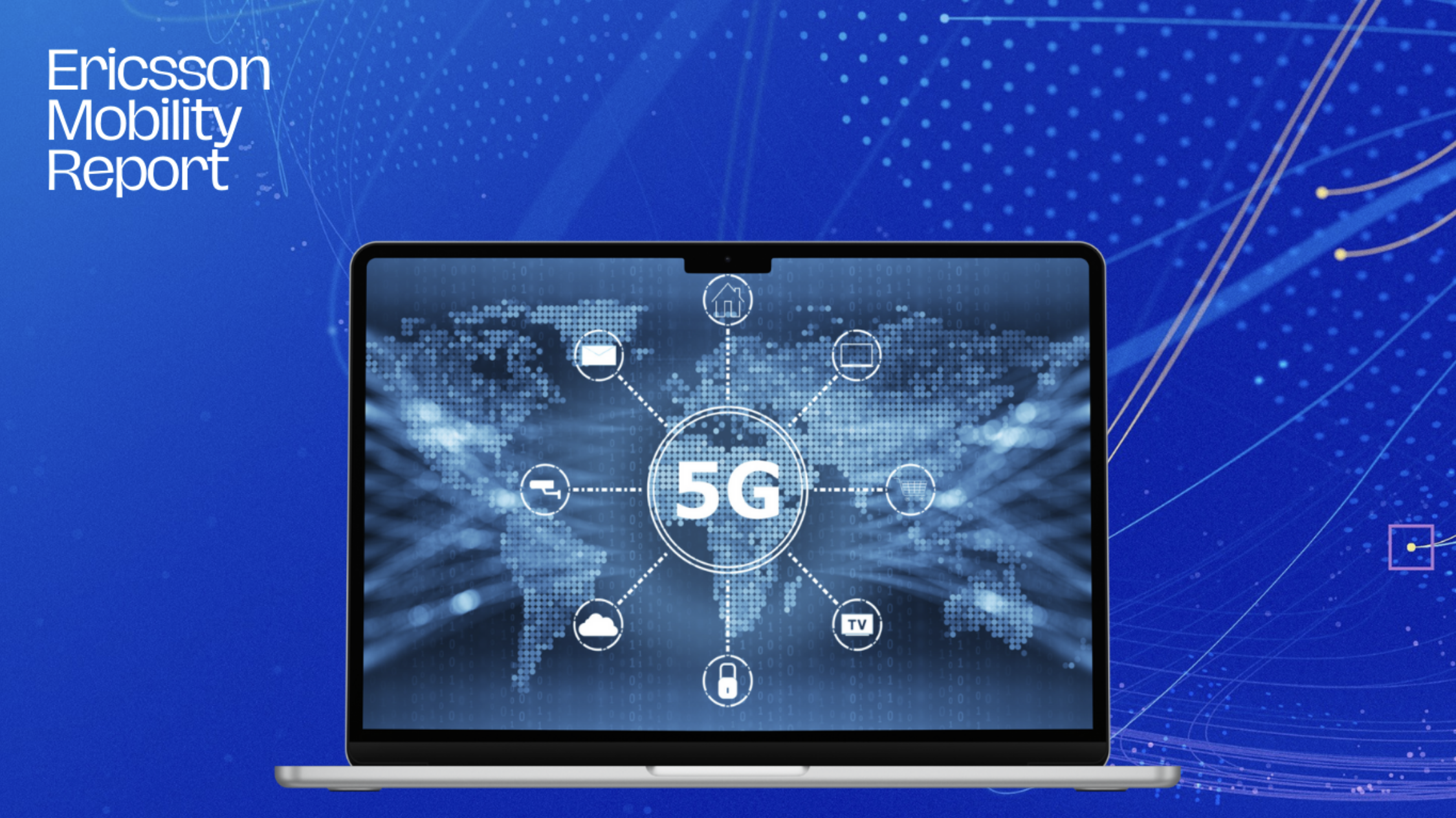
Global 5G adoption continued to accelerate in early 2026, with subscriptions surpassing the three billion mark for the first time as mobile operators increasingly monetize next-generation networks through fixed wireless access (FWA), network slicing, and enterprise connectivity, according to Ericsson’s latest Mobility Report.
The June 2026 report showed that 162 million new 5G subscriptions were added worldwide during the first quarter of the year, bringing the global total to 3.1 billion. Ericsson expects that figure to more than double to 6.4 billion by the end of 2031.
The Philippines is among the markets contributing to that momentum, with the Swedish networking giant identifying the country as one of Southeast Asia’s fastest-growing markets for 5G subscriptions.
Philippines sees expanding 5G opportunities

IMAGE CREDIT: Ericsson
Across Southeast Asia and Oceania, Ericsson projects 5G subscriptions to increase from around 160 million in 2025 to approximately 670 million by 2031.
The report noted that the Philippines continues to record one of the region’s strongest increases in 5G subscriptions, supported by expanding network coverage and growing demand for high-speed mobile connectivity.
Ericsson also identified 5G fixed wireless access (FWA) as an emerging revenue opportunity for Philippine telecommunications providers, particularly in areas where fiber connectivity remains limited.
By delivering broadband services over mobile networks, FWA allows operators to expand internet access without waiting for fixed-line infrastructure to reach underserved communities.
For the Philippines’ growing digital economy, broader 5G coverage could also strengthen the infrastructure supporting digital banking, QR payments, e-commerce, and other real-time financial services that increasingly rely on fast, reliable mobile connectivity.
Network slicing moves into mainstream deployment
Ericsson said communications service providers are also accelerating the commercial rollout of 5G Standalone (SA) networks and network slicing services.
The company recorded 84commercial differentiated connectivity offerings worldwide based on network slicing, up from 65 in its previous Mobility Report.
Network slicing enables operators to allocate dedicated portions of their networks for specific applications, helping deliver guaranteed performance for industries that require secure and reliable connectivity, including manufacturing, healthcare, transportation, and financial services.
To date, 390 operators worldwide have launched commercial 5G services, while more than 90 have deployed 5G Standalone networks.
By the end of 2025, 5G networks carried 48 percent of global mobile data traffic. Ericsson forecasts that share will increase to 85 percent by 2031.
AI drives changing network traffic

The report also highlighted how artificial intelligence is beginning to reshape mobile network usage.
Unlike previous years, uplink traffic — data sent from users to the network — is now growing faster than downlink traffic for most operators, driven by increased use of video sharing, cloud storage, collaboration platforms, and AI-powered applications.
According to Ericsson, 43 of 55 operators included in its network measurements recorded faster uplink growth than downlink, while 17 experienced uplink traffic growth at least 1.5 times higher.
The company expects that trend to accelerate as AI applications become more interactive and distributed across devices.
“With the upcoming transition to physical AI, traffic patterns will fundamentally shift as we move from centralized models in data centers to distributed, autonomous AI agents embedded across our devices, vehicles, and cities,” said Erik Ekudden, Ericsson’s Chief Technology Officer and publisher of the Mobility Report.
“Mobile networks are no longer only about providing best-effort connectivity. They are becoming critical, intelligent infrastructure capable of supporting diverse application needs,” he added.
Fixed wireless access gains traction
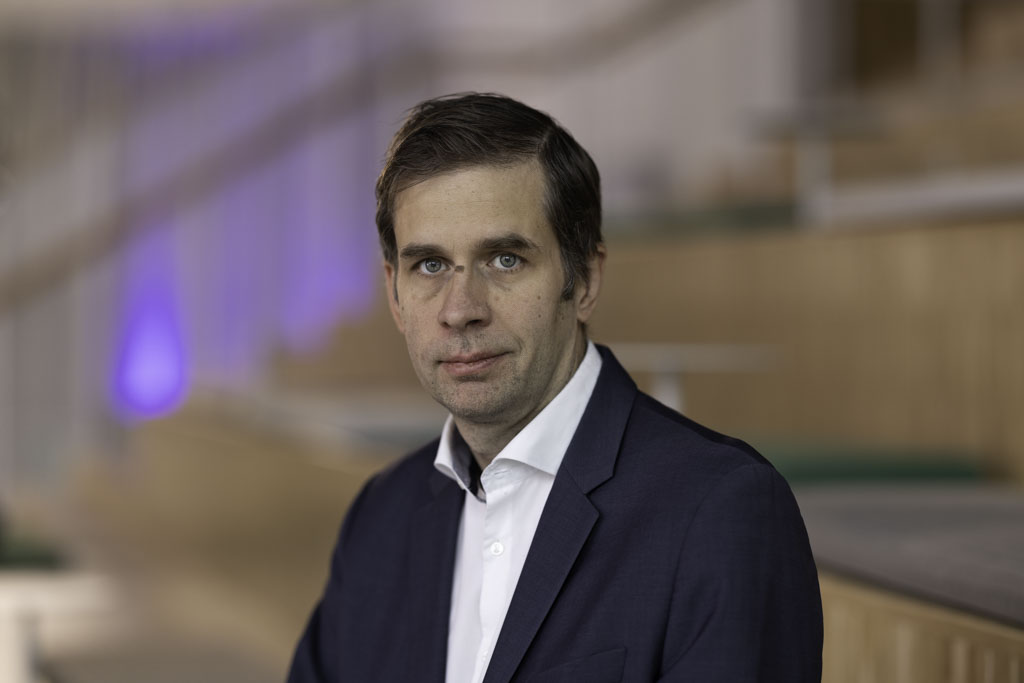
Daniel Ode, Head of Ericsson for Singapore, Brunei, and the Philippines
The Swedish networking giant also reported continued growth in 5G fixed wireless access, which has become an increasingly important monetization strategy for operators worldwide.
The share of service providers offering FWA over 5G increased to 71 percent, up from 57 percent a year earlier, marking the largest annual increase in four years.
Meanwhile, 57 percent of FWA providers now offer speed-based pricing plans, allowing operators to tailor broadband packages to different customer segments.
In the Philippines, Ericsson believes FWA can help bridge connectivity gaps while creating new revenue streams for telecommunications providers.
“What operators around the world have shown is that 5G can be both a growth engine and a monetization opportunity,” said Daniel Ode, Head of Ericsson for Singapore, Brunei, and the Philippines.
“Philippine operators can draw confidence from those experiences by combining FWA and 5G Standalone to help bridge the digital divide while building sustainable returns.”
As mobile connectivity continues to evolve beyond faster internet speeds, Ericsson expects technologies such as AI, network slicing, and 5G Standalone to play an increasingly important role in supporting digital services, enterprise transformation, and next-generation applications across industries.