
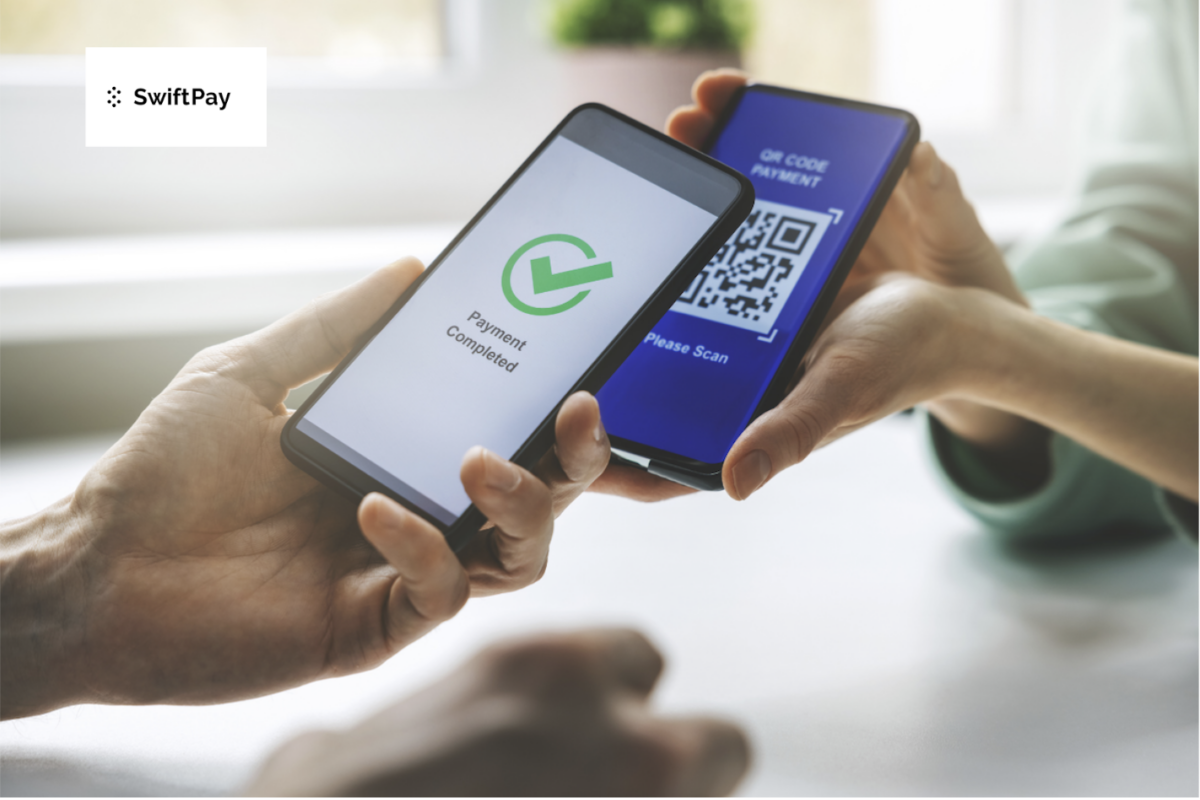
Digital payments have become the norm for many Filipinos, with more than half of retail payment transactions now made electronically. But while paying has become faster and easier for consumers, many businesses are still struggling with what happens after the payment is completed.
According to the Bangko Sentral ng Pilipinas (BSP)‘s 2024 Report on the Status of Digital Payments in the Philippines, digital payments accounted for 57.4% of monthly retail transaction volume and 59% of total transaction value.
The widespread adoption of QR Ph, online banking, and e-wallets has made accepting digital payments easier than ever.
For many enterprises, however, the rapid growth in digital transactions has exposed a different challenge: reconciling payments across multiple banks, payment gateways, and internal accounting systems.
Companies in industries such as insurance, manufacturing, real estate, and lending often rely on several payment providers to serve customers. While this gives consumers more payment options, finance teams are frequently left matching transactions manually across different bank portals, dashboards, and enterprise resource planning (ERP) systems.
The result is additional administrative work, slower reconciliation, and delays in turning confirmed payments into usable financial records.
“As an organization processes thousands of transactions every day, even small delays in reconciliation can affect cash flow visibility and operational efficiency,” said Damian Gil, chief revenue officer of SwiftPay.
“The industry has spent years improving how businesses accept digital payments,” Gil said. “But for large enterprises, the bigger challenge begins after the payment is made. That’s where finance teams spend significant time reconciling transactions across different systems.”
To address this, enterprise payment providers are increasingly focusing on backend infrastructure instead of simply expanding payment acceptance options.
SwiftPay streamlines enterprise payment reconciliation without system replacement
IMAGE CREDIT: SwiftPay
In a press release, SwiftPay said its platform is designed to consolidate collections, disbursements, virtual accounts, payment reminders, and reconciliation into a single workflow that integrates with an organization’s existing finance and ERP systems, rather than replacing them.
The company said this approach allows businesses to continue using multiple payment providers while automating much of the reconciliation process.
Instead of asking enterprises to replace existing financial systems, SwiftPay integrates with current banking relationships and accounting platforms, allowing transaction data from different payment channels to flow into a unified system.
According to Gil, the goal is to reduce the time finance teams spend on manual reconciliation while giving organizations faster visibility into incoming payments.
“Many organizations don’t realize how much working capital is tied up because of fragmented post-payment processes,” he said. “When collections, recurring payments, and field collections are managed through a single platform that connects directly to the ERP, businesses can significantly reduce operational delays.”
As digital payments continue to grow in the Philippines, the company believes the next stage of digital transformation will be less about adding more payment methods and more about improving the systems that support them behind the scenes.
Rather than competing solely on checkout experience, enterprises are increasingly looking for ways to automate financial operations, improve cash flow visibility, and reduce the operational burden created by managing payments across multiple platforms.