

The Bangko Sentral ng Pilipinas (BSP) is moving beyond the question of whether a central bank digital currency (CBDC) is technically feasible and is now focusing on where it can deliver the greatest value to the financial system.
According to the central bank’s newly released Project Agila report, the strongest use cases for a wholesale CBDC include the settlement of financial securities, large-value cross-border payments, and intraday liquidity management — areas where faster settlement and greater automation could improve the efficiency of the country’s financial infrastructure.
Unlike cryptocurrencies or stablecoins, a wholesale CBDC is digital money issued by the central bank for use exclusively by banks and other financial institutions. It is intended to support wholesale transactions rather than everyday consumer payments.
“Wholesale CBDCs can enhance efficiency in the payments infrastructure and develop new financial services that could address evolving needs in the national payments ecosystem,” BSP Governor Eli M. Remolona Jr. said.
Years of research led to Project Agila
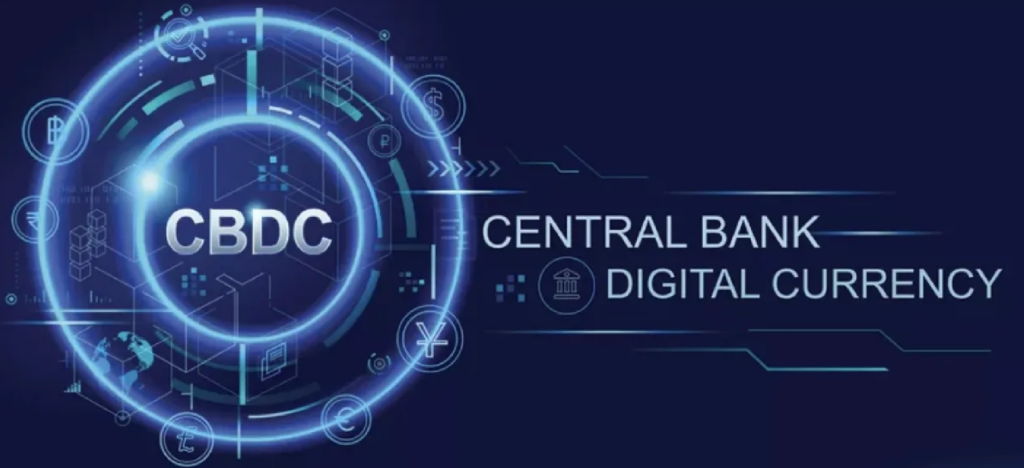
IMAGE CREDIT: Freepik
The report marks the latest milestone in the BSP’s CBDC journey, which began in 2020 with the creation of a technical working group to study the technology and assess where it could have the greatest impact.
That assessment led the BSP to focus on wholesale rather than retail CBDCs. While many central banks have explored digital currencies for consumers, the BSP concluded that the Philippines already has a rapidly expanding digital payments ecosystem. Instead, it saw greater potential in improving the infrastructure that supports transactions between banks and financial institutions.
Project Agila was launched in 2022 to test those ideas in a real-world environment.
The initiative brought together several of the country’s largest financial institutions, including BDO Unibank, China Banking Corp., Land Bank of the Philippines, RCBC, UnionBank, and Maya. Citibank Manila, China Bank Savings, Wealth Development Bank, and SeaBank later joined the project as observer institutions.
Faster settlement—even beyond banking hours

Much like the BSP’s PhilPaSS Plus real-time gross settlement system, a wholesale CBDC would allow participating banks to settle obligations using funds held at the central bank.
The difference is that transactions would run on distributed ledger technology, allowing settlement processes to become more automated, programmable, and efficient.
One of the more notable findings from Project Agila was that banks were able to transfer tokenized funds even outside normal banking hours, including periods when PhilPaSS Plus was unavailable.
That capability could strengthen business continuity while giving banks greater flexibility in managing liquidity.
The BSP also sees potential for a wholesale CBDC to complement the existing payment infrastructure by serving as an alternative settlement mechanism during system outages.
More than just faster payments

IMAGE CREDIT: Magnific
While cross-border payments often dominate discussions around CBDCs, the BSP believes the technology could have an equally significant impact on financial market infrastructure.
For securities transactions, the report said a wholesale CBDC could shorten the time between trade execution and final settlement, reducing counterparty and settlement risks while improving overall market efficiency.
Cross-border payments remain another key opportunity. By enabling participating institutions to settle transactions more directly, wholesale CBDCs could help reduce costs, shorten processing times, and address inefficiencies that have long challenged international payments.
The report also highlighted intraday liquidity management as a promising application. Faster settlement and programmable transactions could allow banks to access liquidity more efficiently during the business day, helping reduce payment bottlenecks and strengthening the resilience of the financial system.
Building the next phase
As part of Project Agila, the BSP evaluated several distributed ledger platforms before selecting Oracle’s Hyperledger Fabric for the proof of concept. The platform was chosen for its interoperability, scalability, security, and compatibility with the BSP’s existing infrastructure, as well as the availability of local technical support.
The central bank said the project’s findings will help shape its forthcoming CBDC Roadmap, which will guide future work on digital central bank money and identify the use cases with the greatest potential for the Philippine financial system.
For now, the BSP has not committed to issuing a wholesale CBDC. But Project Agila suggests the discussion has shifted from experimentation to practical implementation.
Rather than asking whether the technology works, the central bank is now examining where it can make payments, settlement, and liquidity management more efficient for the institutions that underpin the country’s financial system.