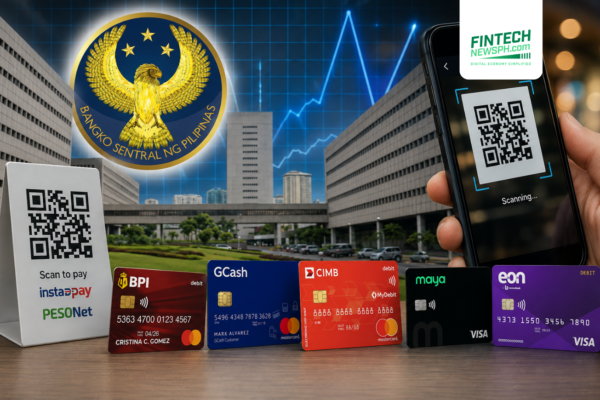

As digital payments become deeply embedded in everyday life, consumers are increasingly using multiple e-wallets to maximize convenience, rewards, and financial security.
For many Filipinos, carrying multiple e-wallets has become less of a choice and more of a practical necessity. Rather than relying on a single platform, consumers are increasingly maintaining separate digital wallets for different purposes — using one for everyday spending, another for savings, and others for shopping, transportation, or even cryptocurrency.
The shift reflects how the country’s digital payments ecosystem has matured, with each platform carving out its own strengths instead of competing as a one-size-fits-all solution.
Different wallets for different financial needs
IMAGE CREDIT: Xendit
The days when one e-wallet could handle every financial transaction are gradually fading.
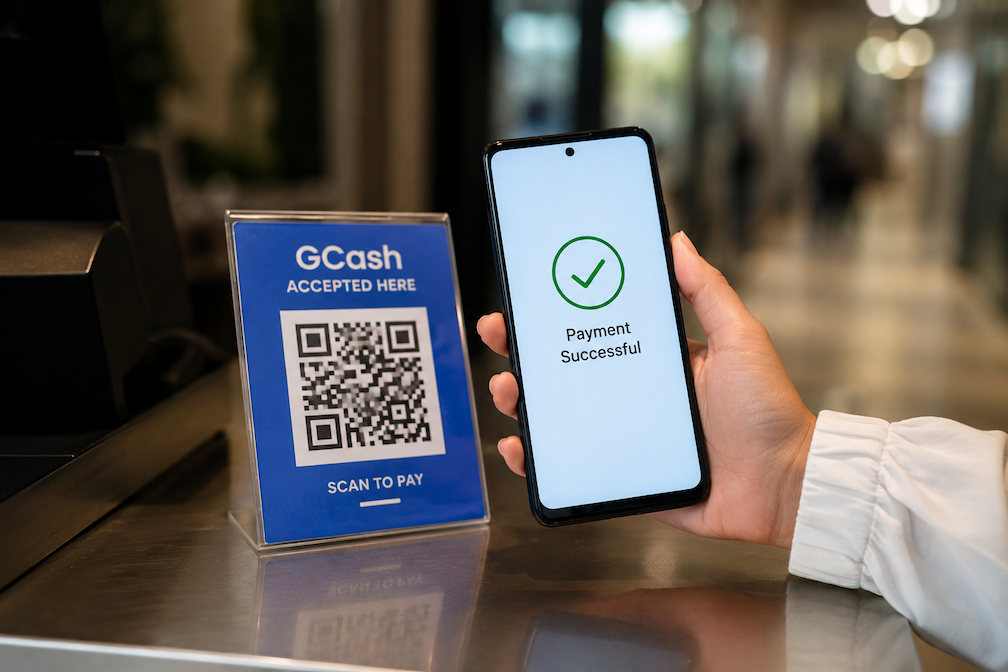
Today, many users turn to GCash for paying bills, buying mobile load, transferring money, and making QR payments at neighborhood stores. Others rely on Maya, which has evolved beyond an e-wallet into a licensed digital bank offering savings and credit products.
Meanwhile, traditional banks continue to play an important role. Many consumers still prefer keeping payroll accounts and larger savings balances in banks while using e-wallets primarily for everyday transactions.
Specialized platforms have also found their niches. ShopeePay remains closely integrated with online shopping, GrabPay simplifies transport and food delivery payments, while Coins.ph continues to serve users interested in cryptocurrency and blockchain-based financial services.
Instead of competing head-to-head, many of these platforms now complement one another as consumers build digital payment ecosystems that suit their individual lifestyles.
Rewards continue to drive wallet adoption
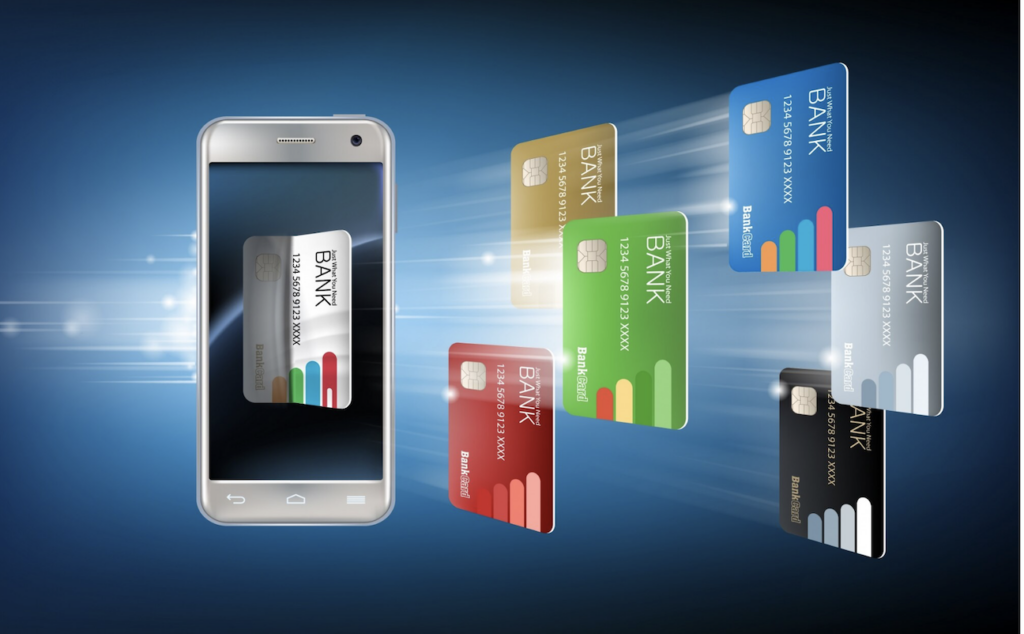
IMAGE CREDIT: Freepik
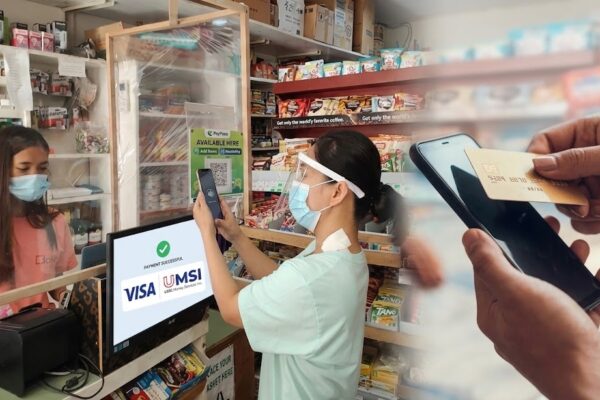
Promotions remain one of the strongest reasons why users maintain several active wallets.
Cashback offers, discount vouchers, loyalty rewards, and exclusive merchant promotions encourage consumers to choose different payment methods depending on where they shop.
Merchant acceptance also plays a significant role. While QR Ph has improved interoperability across financial institutions, certain retailers continue to offer exclusive promotions tied to specific wallets, making it worthwhile for consumers to keep multiple payment options available.
The Philippines remains one of Southeast Asia’s fastest-growing digital payments markets, with industry studies showing e-wallet adoption approaching nearly 90% of internet users. As digital transactions become increasingly routine, switching between several wallets has become a normal part of daily financial management.
Security concerns are reshaping consumer behavior
The growing sophistication of phishing attacks, fake verification messages, and online scams has also influenced how Filipinos manage their digital money.
Rather than storing all of their funds in a single application, many consumers now spread balances across multiple platforms to reduce risk.
The country’s leading e-wallet providers operate under the supervision of the Bangko Sentral ng Pilipinas (BSP) and employ security measures such as multi-factor authentication, device verification, transaction monitoring, and fraud detection systems.
Financial experts, however, continue to emphasize that technology alone cannot eliminate fraud. Users are still encouraged to avoid sharing one-time passwords (OTPs), enable transaction notifications, regularly update their applications, and maintain only modest balances in wallets intended for everyday spending.
Separating funds across different financial platforms can also limit potential losses should one account become compromised.
Competition is entering a new phase
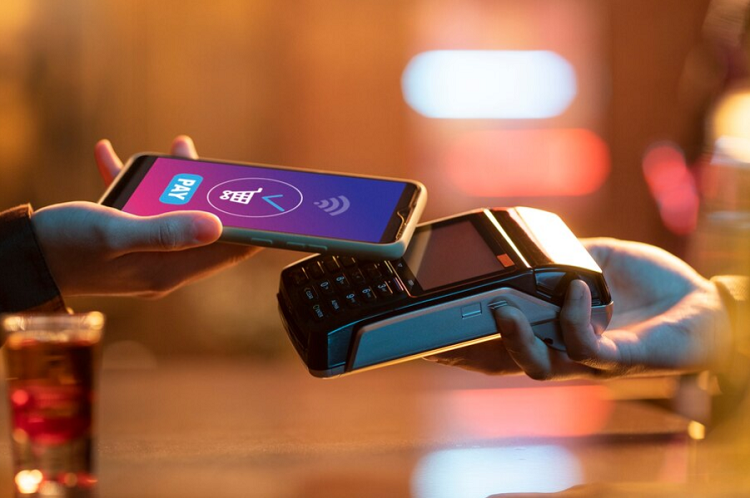
IMAGE CREDIT: Freepik
The Philippine digital wallet market continues to evolve as new payment technologies enter the country.
The launch of Google wallet in late 2025 introduced tap-to-pay functionality alongside existing QR payment options, while Apple Pay is widely expected to expand its presence in the Philippine market. These developments are likely to further diversify how consumers pay rather than replace existing e-wallets altogether.
At the same time, the BSP continues to pursue its long-term objective of increasing the share of digital retail payments to 70% by 2030 as part of its broader financial inclusion agenda.
The future isn’t one wallet — it’s interoperability
As digital finance becomes more sophisticated, the question is no longer which e-wallet will dominate the market.
Instead, consumers are increasingly choosing the right platform for each financial need—whether it’s paying bills, earning higher savings interest, shopping online, commuting, or transferring money.
Rather than replacing one another, e-wallets are becoming complementary tools within a broader digital financial ecosystem. For many Filipinos, managing multiple wallets has evolved from a temporary workaround into a practical strategy for maximizing convenience, security, and value in an increasingly cashless economy.
—
Disclaimer: This article is for news and informational purposes only and should not be construed as financial or investment advice or an endorsement of any cryptocurrency or platform. Crypto-assets are highly speculative and involve significant risks. Readers should verify the regulatory status of crypto service providers with the BSP and the SEC before making any investment or transaction.