
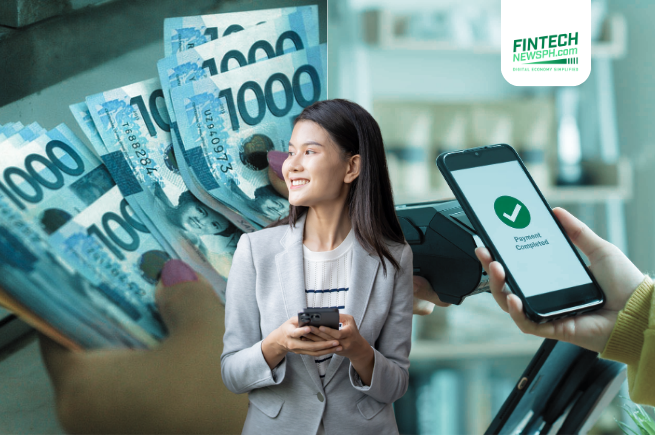
Cash usage in the Philippines remains remarkably stubborn, even as e-wallet adoption hits record highs. This reveals a complex, often overlooked contradiction in Filipino financial behavior.
On one hand, the country is a global leader in digital payment growth, fueled by massive mobile penetration and fintech breakthroughs. On the other, cash remains the “gold standard” for everyday life — especially when the stakes are high.
Data from Asian Banking and Finance shows that cash still accounts for 42% of point-of-sale transactions in the Philippines. This duality suggests that our digital shift isn’t a clean break from the past, but a layered transition shaped by deep-seated habits, trust issues, and structural realities.
Beyond the spreadsheets, there is a more human story about how Filipinos view money, risk, and personal control.
Cash as a psychological budgeting tool

For many, sticking to cash isn’t about being “anti-tech” — it’s about survival and discipline. Cash creates a natural friction that digital payments lack.
In a country where financial resilience means stretching every peso, that friction is a feature, not a bug.
Maria Santos, who runs a small sari-sari store in Bulacan, puts it simply: “I use GCash for convenience, especially for my bills. But for daily expenses, I still withdraw cash. When I can physically see the money, I know exactly how much I have left to spend.”
Trust is earned, not assumed
Trust remains a fragile bridge in the local fintech landscape. While platforms have improved, a “glitch-phobia” persists.
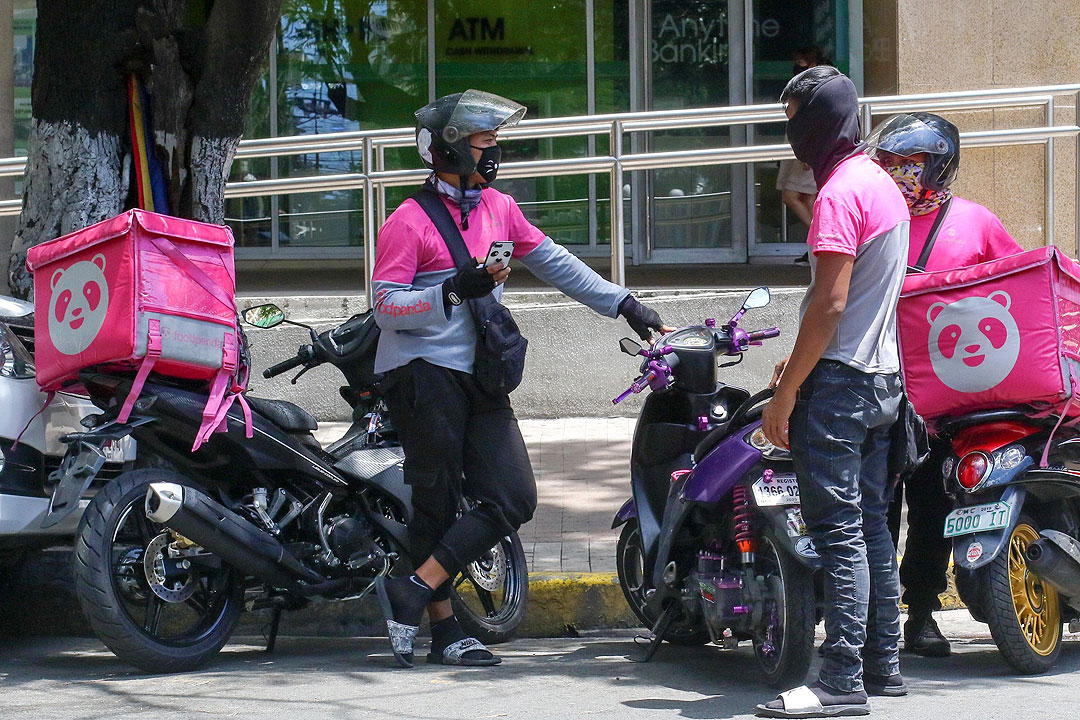
Many Filipinos still worry that digital money can vanish into a void of system outages or sophisticated scams.
“I’ve dealt with delayed transactions before,” says Carlo Reyes, a delivery rider in Metro Manila. “Sometimes the app hangs, or the payment takes hours to reflect. With cash, the transaction is over instantly. No signal, no problem.”
These fears aren’t just myths; high-profile system downtimes and fraud cases frequently make headlines, reinforcing a “better safe than sorry” attitude.
As the World Bank notes, true financial inclusion requires confidence, not just access. Without it, Filipinos will always keep a “fallback” in their pockets.
This mindset is echoed across income groups. Digital balances can feel abstract, numbers on a screen that are easy to ignore. Cash, on the other hand, is tangible. Once it’s gone, it’s gone.
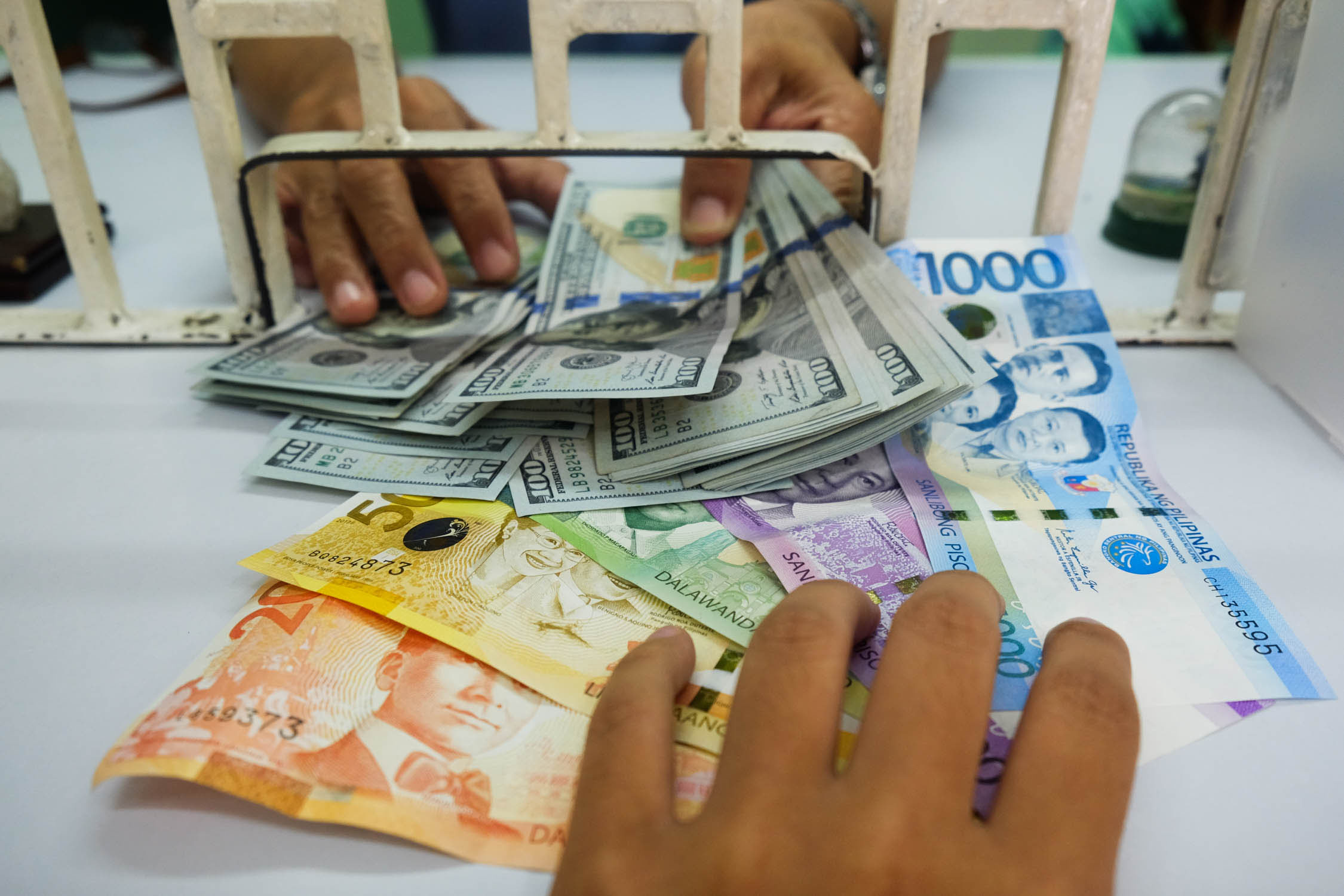
From a behavioral finance perspective, this aligns with what economists call “mental accounting.” Physical money helps people categorize and control spending more effectively. In contrast, e-wallets can blur financial boundaries, especially when linked to instant payments, promos, or credit features.
As a writer observing this pattern, it becomes clear that the issue is not digital adoption but digital discipline. The Philippines may be going cashless in infrastructure, but not yet in mindset.
The reality of a fragmented ecosystem
Even when consumers want to go digital, the environment often says no. Merchant acceptance is still a patchwork, particularly among the micro-businesses that form the backbone of the economy.
In most neighborhoods, wet markets and transport services are strictly cash-only. This forces a hybrid lifestyle: digital when you can, cash because you have to.
“I tried the e-wallet thing,” shares Joel, a small eatery owner. “But the signal is often weak, or customers just prefer handing over bills. I eventually just went back to what works reliably every time.”
While initiatives like QR Ph are trying to standardize the experience, connectivity gaps and transaction fees still scare off small-scale vendors. For them, cash isn’t just a preference — it’s a requirement for staying in business.
The backup plan, not the opposite
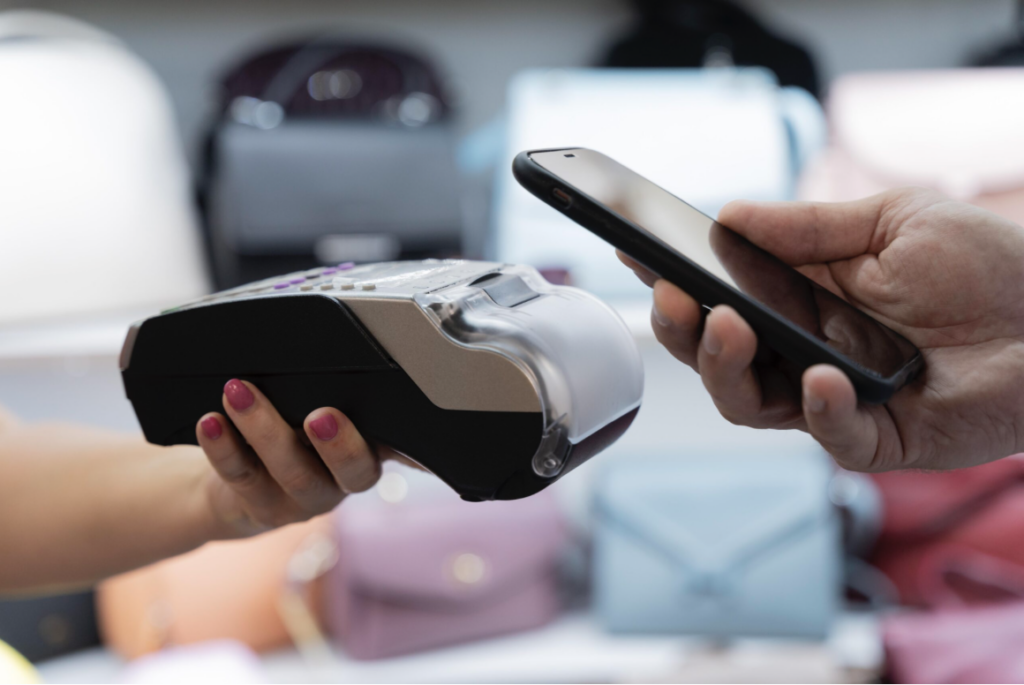
IMAGE CREDIT: PaymentsJournal
The idea that Filipinos are either “old school” or “digital-first” is a false choice. The reality is much more nuanced. Cash survives because it fulfills roles that digital tools haven’t mastered yet: total reliability, physical control, and universal acceptance.
Rather than a sign of lagging behind, this is a form of financial resilience. Filipinos are adopting digital tools on their own terms, using them where they make sense but keeping a firm grip on the physical peso.
Until a digital app can match the 100% “uptime” and tangible discipline of a 100-peso bill, that balance on the screen will always have to compete with the cash in hand.