
The Philippine government is increasingly working with social media influencers to explain and promote the eGov PH app, as it pushes for wider adoption of its centralized digital services platform.
Recent campaigns have featured online creators demonstrating how the app works — from registration to accessing services and navigating its features — marking a shift away from traditional advisories toward more platform-driven communication.
The goal is straightforward: encourage Filipinos not just to download the eGov PH app, but to actively use it.
Bridging the gap between rollout and usage
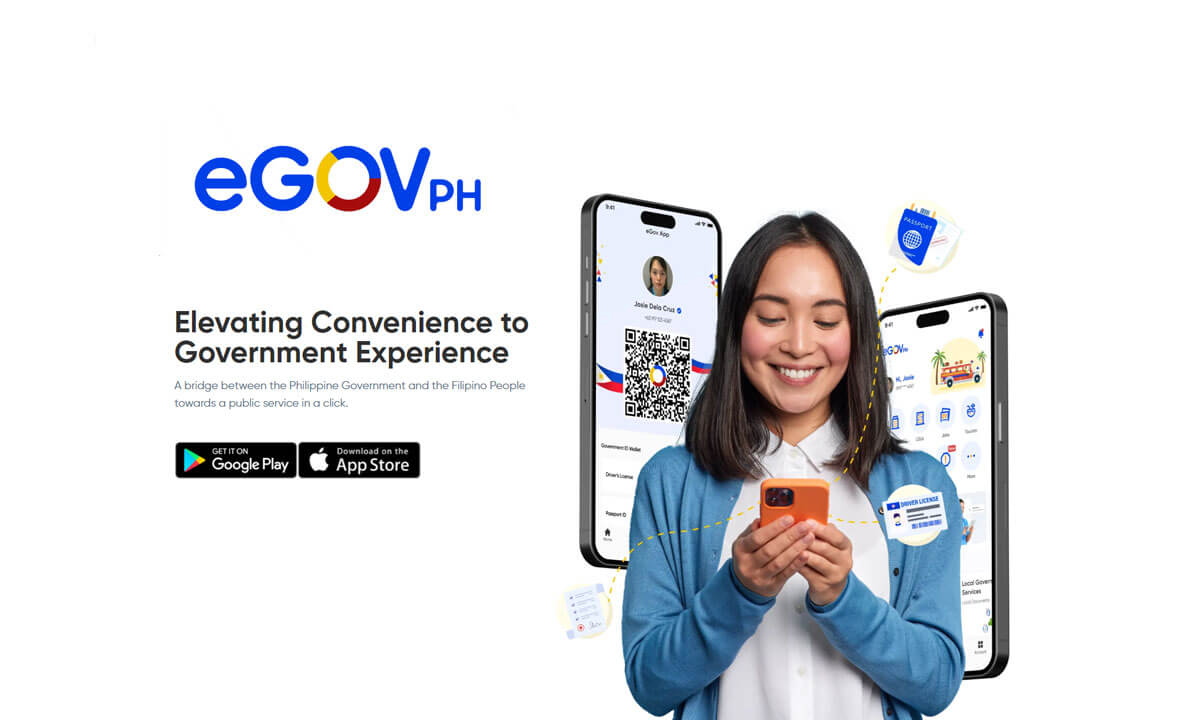
The eGov PH app is designed as a unified platform for government services, allowing users to access documents, IDs, and transactions through a single interface instead of navigating multiple agency systems.
Adoption, however, remains uneven. Many users still face challenges when interacting with government platforms online — particularly with account setup, unfamiliar interfaces, and uncertainty about what services are actually available.
To address this, agencies are turning to influencers who can present step-by-step guides in a more accessible format, using short-form videos and walkthroughs to show how specific tasks can be completed within the app.
A shift toward platform-native communication
The use of influencers reflects a broader change in how public agencies approach communication, especially as more Filipinos consume information through social media rather than official channels.
Traditional campaigns have relied on static instructions and formal announcements. Influencer content, by contrast, is designed for platforms like TikTok, Facebook, and YouTube, where users expect visual, easy-to-follow explanations.
Instead of listing features, creators typically demonstrate real use cases, such as retrieving documents or completing transactions without visiting a government office. This makes the app’s functionality easier to understand.
Using relatability to build trust
Trust remains a key factor in digital adoption, particularly for government platforms that often face concerns around data privacy, system reliability, and usability.
These concerns can slow adoption even when services are available, as users may hesitate to engage with systems they don’t fully understand or feel confident using.
Influencers introduce a more relatable layer of communication by presenting the app in familiar, everyday scenarios. This helps make the experience feel more accessible and less bureaucratic.
They also extend the government’s reach. With social media remaining a primary source of information for many Filipinos, these platforms offer a practical channel for engagement.
Managing accuracy and transparency
Unlike private-sector campaigns, government communication carries a public service mandate, which requires information to remain accurate, clear, and consistent across all formats.
Simplifying processes through influencer content can make services easier to understand, but it also creates a need to ensure explanations remain precise and don’t omit critical details.
There are also questions around transparency, particularly in how partnerships between agencies and influencers are disclosed, as this can affect how audiences perceive the credibility of the information presented.
For now, the emphasis appears to be on usability, with content focused on helping users understand and navigate the app correctly.
A familiar playbook from fintech
The strategy mirrors approaches used across the fintech sector, where digital wallets, online banking platforms, and payment apps have long relied on creators to explain how their services work.
These campaigns often focus on onboarding, guiding users through features and reducing friction, especially for first-time users unfamiliar with digital transactions.
The government is applying similar methods to public infrastructure, shifting the focus from simply launching platforms to encouraging actual, sustained use.
What it means for digital adoption
The move suggests that communication is becoming a more central component of digital transformation, especially as platforms like the eGov PH app move beyond the initial rollout stage.
Building the platform is only one part of the process. Encouraging consistent use requires users to understand how services work and feel confident navigating them.
Influencer-led content may help accelerate early adoption by making the app easier to understand, particularly for users who prefer visual, guided explanations.
At the same time, long-term usage will depend on factors beyond communication, including system reliability, service availability, and overall user experience.
Early signals of a broader shift
This evolution highlights a broader reality in digital transformation: adoption is no longer driven solely by infrastructure or policy rollout, but by communication design. How a platform is explained can be just as important as how it is built, especially in a market where user confidence, digital familiarity, and behavioral trust all shape engagement.
In this sense, influencer-led education becomes less of a marketing tactic and more of a usability layer for public digital services.
It is still too early to determine how effective influencer campaigns will be in sustaining engagement with the eGov PH app, especially as usage patterns evolve over time.
Initial visibility may drive downloads, but retention will depend on whether users find the platform useful, reliable, and relevant to their everyday needs.
The shift in strategy is nonetheless notable. It reflects a growing recognition that digital adoption depends not only on technology, but also on how services are introduced, explained, and understood by the public.