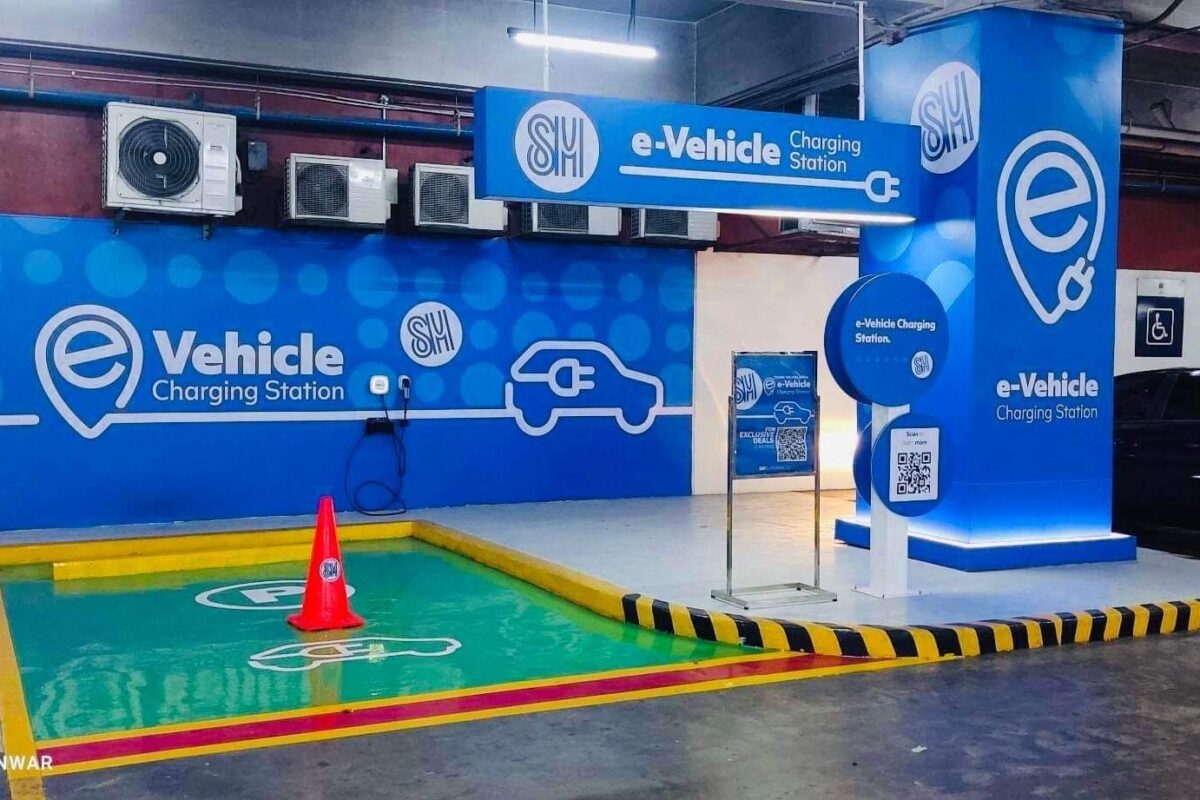
As Holy Week travel demand rises and fuel prices remain elevated, electric vehicle (EV) drivers across the Philippines are finding added convenience in an expanding nationwide charging network embedded in some of the country’s busiest commercial hubs.
SM Supermalls, through its corporate social responsibility arm SM Cares, announced that it now operates more than 160 EV charging stations nationwide, strategically deployed across select malls to support cleaner, more practical mobility for Filipino motorists.
The initiative forms part of the broader SM Green Movement, which consolidates the group’s sustainability programs into a unified push toward lower-carbon operations and greener everyday choices.
For EV users, the expansion means more predictable access to charging points during long trips — particularly during peak travel periods like Holy Week, when highways and provincial routes see a surge in traffic.
Rather than treating charging as a standalone utility, SM has integrated EV stations into its mall ecosystem, allowing motorists to recharge vehicles while using their downtime productively.
Drivers can shop for essentials, dine with family, or take a break during long journeys, effectively turning charging time into part of the travel experience.
EV charging reshapes urban mobility convenience landscape
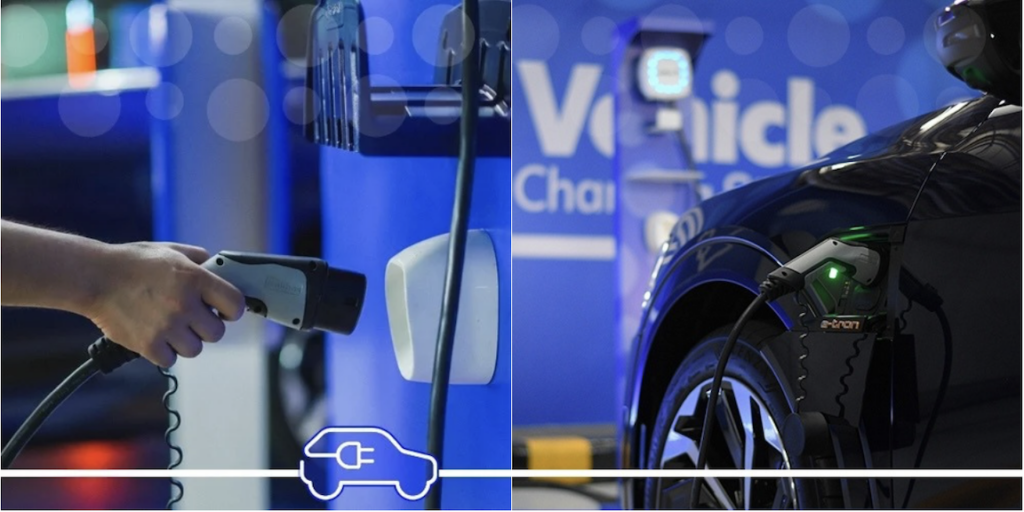
IMAGE CREDIT: SM Supermalls
This blend of mobility and lifestyle convenience is increasingly shaping how infrastructure is designed in urban and peri-urban spaces.
As EV adoption slowly grows in the Philippines, accessibility remains a key barrier — making the presence of charging stations in familiar, high-traffic locations a practical step toward broader usage.
“EV Charging Stations at SM support motorists during peak travel periods such as Holy Week, providing smoother, worry-free journeys,” the company said in a press release, underscoring its goal of making sustainable transport more usable in everyday conditions rather than limiting it to niche applications.
The group added that embedding charging points within community spaces helps normalize cleaner transport choices and reduces friction for drivers transitioning from traditional fuel-based vehicles.
For EV motorists planning holiday travel, SM encouraged route planning that includes mall stops along the way, positioning its locations as reliable rest and recharge points across key destinations nationwide.
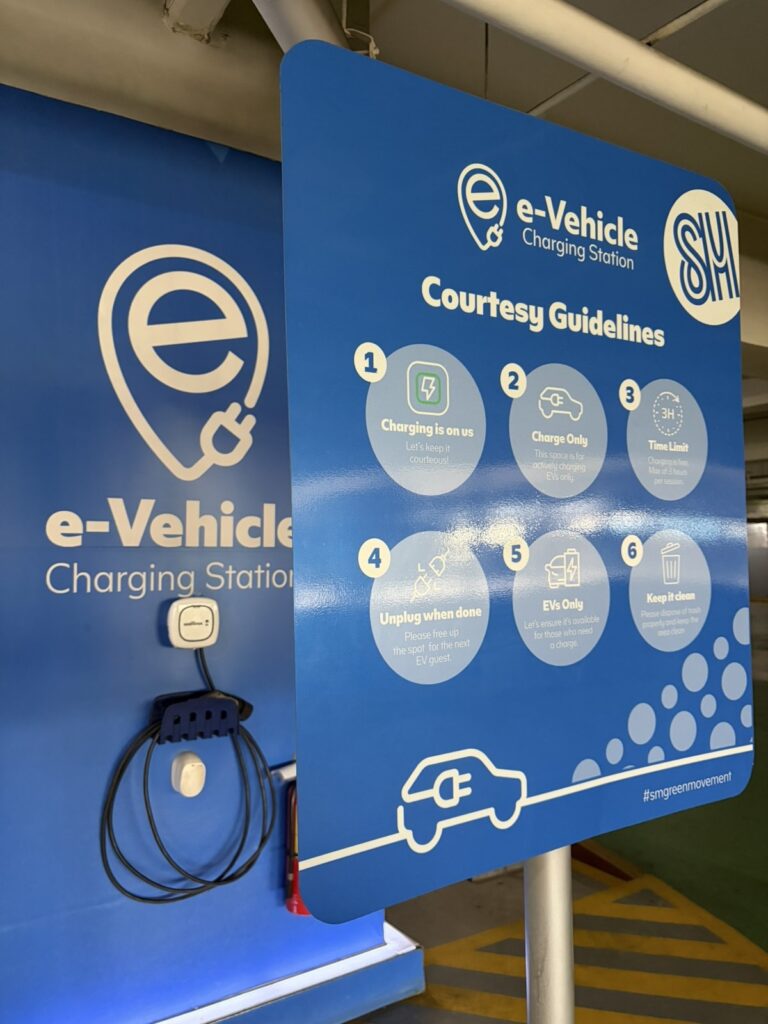
IMAGE CREDIT: SM Supermalls
Beyond infrastructure, the rollout also reflects a wider shift in how services are being delivered through integrated physical-digital ecosystems.
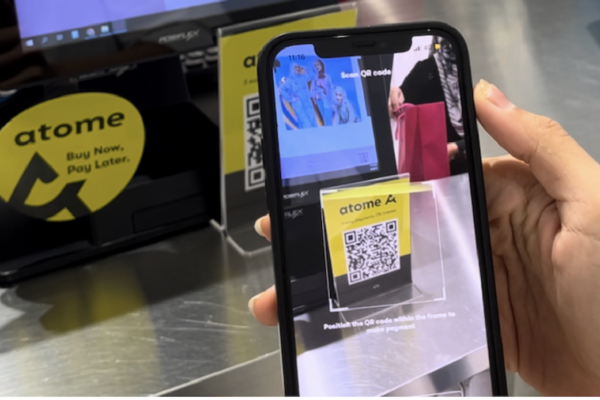
Charging sessions at retail destinations increasingly rely on app-based access, digital payment methods, and real-time availability updates — features that align with broader trends in cashless, on-demand service experiences already familiar to many Filipino consumers.
In that sense, EV charging at malls is becoming less about the electricity itself and more about seamless user experience — where mobility, payments, and convenience converge in a single stop.
This evolution mirrors how infrastructure services are increasingly designed around digital-first consumer behavior, particularly in urban centers where convenience and immediacy drive adoption.
As Holy Week travel peaks, SM Supermalls is positioning its EV charging network not just as sustainability infrastructure, but as part of a wider shift toward more integrated, user-centric mobility across the country’s retail and transport landscape.