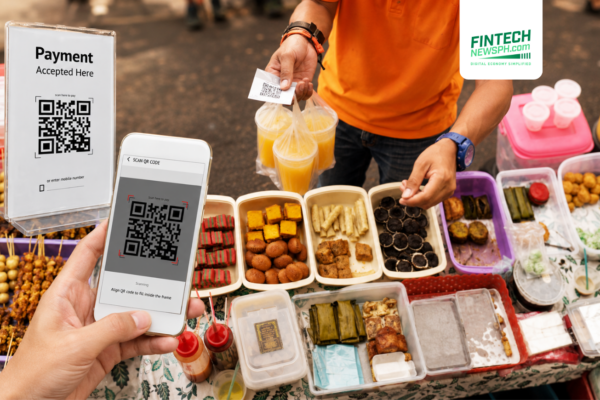


As women continue to play a dominant role in the Philippine small business landscape, fintech firms are stepping up efforts to address long-standing friction in payments and cash flow management.
Digital finance platform Coins.ph said it is expanding its suite of payment and disbursement tools aimed at helping Filipina entrepreneurs operate more efficiently, particularly as businesses increasingly shift toward digital channels.
Filipinas lead an estimated 66% of small and medium enterprises (SMEs) in the country, contributing around 40% to national GDP, according to data from the Asian Development Bank.
Yet despite their outsized role, many still face operational bottlenecks — from delayed payment settlements to manual reconciliation processes — that can slow business growth.
Coins.ph enables faster payments and real-time SME liquidity

Coins.ph is positioning its platform as a solution to these challenges, offering merchants faster payment acceptance and near real-time access to funds.
The company’s integration with QR-based payments under QR Ph allows businesses to accept transactions instantly, reducing reliance on manual verification methods such as bank transfer screenshots.
For online sellers and freelancers, the platform’s web-based payment tools enable direct transfers into digital wallets, bypassing intermediaries that often introduce delays in traditional payment flows.
The push toward real-time payments is particularly relevant for SMEs, where liquidity can determine day-to-day operations. Faster settlement allows business owners to quickly reinvest revenue—whether to restock inventory, pay suppliers, or manage payroll—without waiting for standard banking clearing cycles.
Expanding disbursements, supporting SME growth and fintech evolution

On the disbursement side, Coins.ph said it supports both real-time transfers via InstaPay and batch payments through PESONet, giving merchants flexibility depending on transaction size and urgency.
“Filipina entrepreneurs are driving the growth of our economy, and access to faster, more seamless financial tools can make a meaningful difference in how they scale,” said Amira Alawi, global marketing director at Coins.ph.
The broader shift reflects a growing trend in Philippine fintech, where platforms are evolving beyond basic payments to offer integrated financial services tailored to SMEs and digital-first businesses.
As adoption of digital payments accelerates nationwide, particularly among micro and small enterprises, solutions that address speed, accessibility, and cost are becoming increasingly central to the competitive landscape.
For fintech players, the opportunity lies not just in enabling transactions, but in supporting the operational backbone of small businesses—many of which are led by women and continue to drive economic activity across both urban and provincial markets.
—
Disclaimer: This article is for news and informational purposes only and should not be construed as financial or investment advice or an endorsement of any cryptocurrency or platform. Crypto-assets are highly speculative and involve significant risks. Readers should verify the regulatory status of crypto service providers with the BSP and the SEC before making any investment or transaction.