

Digital banks and fintech startups are beginning to connect financial services with sustainability, introducing tools such as eco-loans, carbon tracking features, and ESG-linked investment products.
Across global fintech markets, companies are experimenting with ways to integrate environmental considerations into everyday financial activity.
These initiatives reflect a broader shift in financial technology, where platforms are expanding beyond payments and lending to explore how financial behavior can align with sustainability goals.
For consumers, the changes are starting to appear directly inside banking apps. Spending dashboards now include environmental indicators, while new lending products are tied to energy-efficient purchases.
Although still emerging in the Philippines, analysts say digital banking platforms could eventually play a role in expanding access to sustainable finance.
Sustainability features move into digital banking

For much of the past decade, sustainability finance was largely confined to institutional markets. Green bonds, climate investment funds, and ESG portfolios were typically managed by large investors or multinational corporations.
Digital banking platforms are beginning to bring those ideas closer to retail consumers.
Mobile-first financial services allow banks and fintech startups to incorporate sustainability insights directly into financial tools. Instead of treating sustainability as a separate category of investment, fintech firms are exploring ways to connect it with routine financial activity.
This shift reflects a growing recognition that consumer behavior—from spending patterns to investment choices — can influence environmental outcomes.
Eco-loans support greener purchases
One of the more visible developments in fintech sustainability efforts is the emergence of eco-loans.
These lending products are designed to finance environmentally beneficial purchases, such as solar panels, electric vehicles, or energy-efficient appliances. In some cases, lenders offer preferential interest rates or tailored financing terms for these products.
The concept is similar to sustainability-linked lending in corporate finance, where loan conditions are tied to environmental performance targets.
Digital lending platforms are adapting the model for individual consumers. Because loan applications and approvals take place online, fintech companies can connect financing directly with merchants offering green technologies or environmentally certified products.
The structure encourages consumers to adopt cleaner technologies while expanding lending opportunities for fintech providers.
Carbon tracking tools analyze spending patterns
Another area of experimentation involves carbon footprint tracking within financial applications.
These tools review transaction data to estimate the environmental impact of a user’s spending. Purchases are categorized into sectors such as transportation, food consumption, and retail. Each category is then matched with emissions datasets to generate a rough estimate of carbon output.

The estimates are not intended as precise measurements. Instead, the goal is to give consumers a clearer picture of how everyday spending relates to environmental impact.
Several fintech platforms have incorporated these features into mobile banking dashboards. Users can review their estimated emissions alongside traditional financial metrics such as budgets, savings goals, and transaction histories.
Some apps also provide options to offset emissions through environmental projects or climate initiatives.
ESG investing expands through fintech platforms
Fintech companies are also experimenting with ESG-linked investment products aimed at retail users.
ESG — short for environmental, social, and governance — refers to investment strategies that consider sustainability and corporate responsibility alongside financial performance.
Historically, ESG investing has been concentrated among institutional investors managing large portfolios. Digital investment platforms are gradually making these strategies accessible to smaller investors.
Some fintech apps allow users to allocate funds toward sustainability-focused portfolios or companies with strong ESG ratings. Others offer micro-investment tools that enable small contributions to renewable energy projects or environmentally responsible funds.
Advances in financial data analytics are helping platforms integrate ESG metrics into investment decision tools, allowing users to evaluate environmental risks and sustainability performance across their portfolios.
Why fintech companies are exploring sustainability
Several factors are driving fintech companies to explore sustainability-linked financial tools.
Consumer expectations are shifting, particularly among younger demographics who show increasing interest in values-based financial products. Digital platforms are responding by incorporating sustainability features into their services.
At the same time, fintech infrastructure allows companies to experiment quickly. Because most digital banking services operate through mobile applications, new tools can be introduced through software updates rather than large operational changes.
Sustainability features can also deepen user engagement. Environmental insights provide additional layers of information within financial dashboards, encouraging users to interact more frequently with their banking apps.
Implications for the Philippine fintech sector
In the Philippines, the fintech ecosystem continues to expand as digital banking services gain traction.
The Bangko Sentral ng Pilipinas has licensed several digital banks in recent years as part of its push to promote financial inclusion and strengthen digital payment systems.
Most fintech services in the country still focus on expanding access to payments, credit, and digital banking. However, sustainability-linked financial tools could eventually become part of the sector’s next phase of innovation.
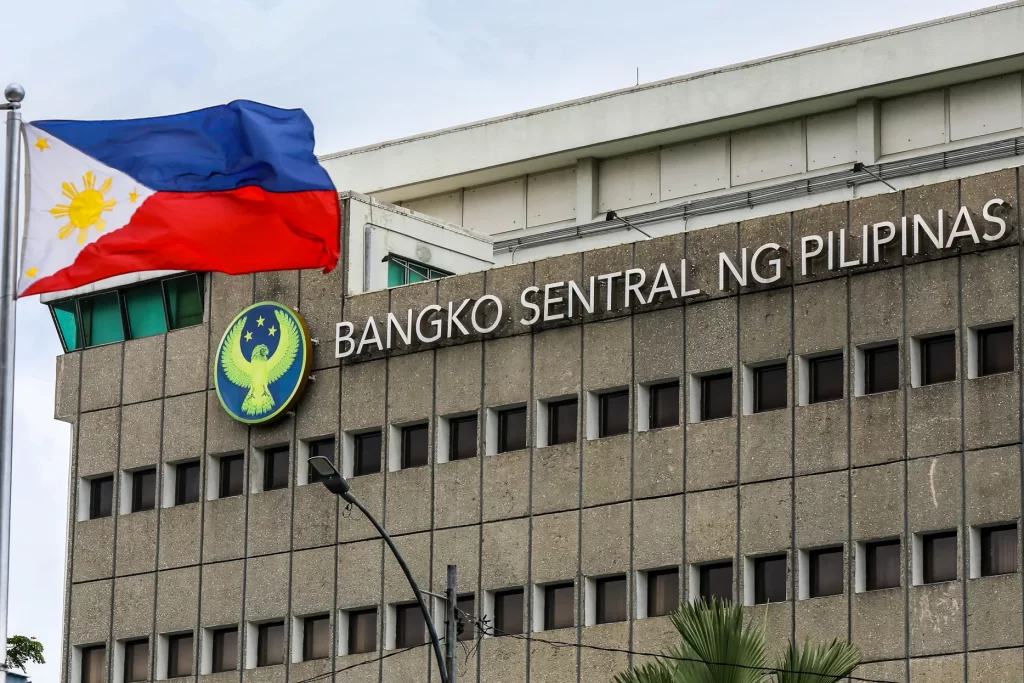
IMAGE CREDIT: Bangko Sentral ng Pilipinas
The Philippines remains highly vulnerable to climate-related risks, including typhoons, flooding, and rising energy transition pressures. Financial tools that support energy-efficient consumption or environmentally responsible investment could complement broader sustainability initiatives.
Industry observers note that transparency will be essential as these tools evolve. Sustainability claims tied to financial products are increasingly scrutinized globally, particularly amid concerns about greenwashing.
A growing intersection between fintech and sustainability
The rise of eco-loans, carbon tracking features, and ESG investment platforms highlights a growing intersection between financial technology and sustainability.
Digital banks and fintech startups are exploring ways to embed environmental considerations into financial decision-making. Whether through lending, investment tools, or spending analytics, sustainability is gradually becoming part of the fintech product landscape.
The long-term impact of these tools remains uncertain. Still, they illustrate how financial technology is evolving beyond convenience and efficiency to address broader economic and environmental challenges.