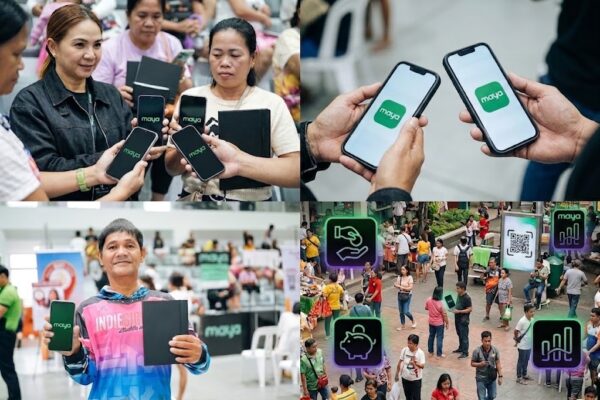

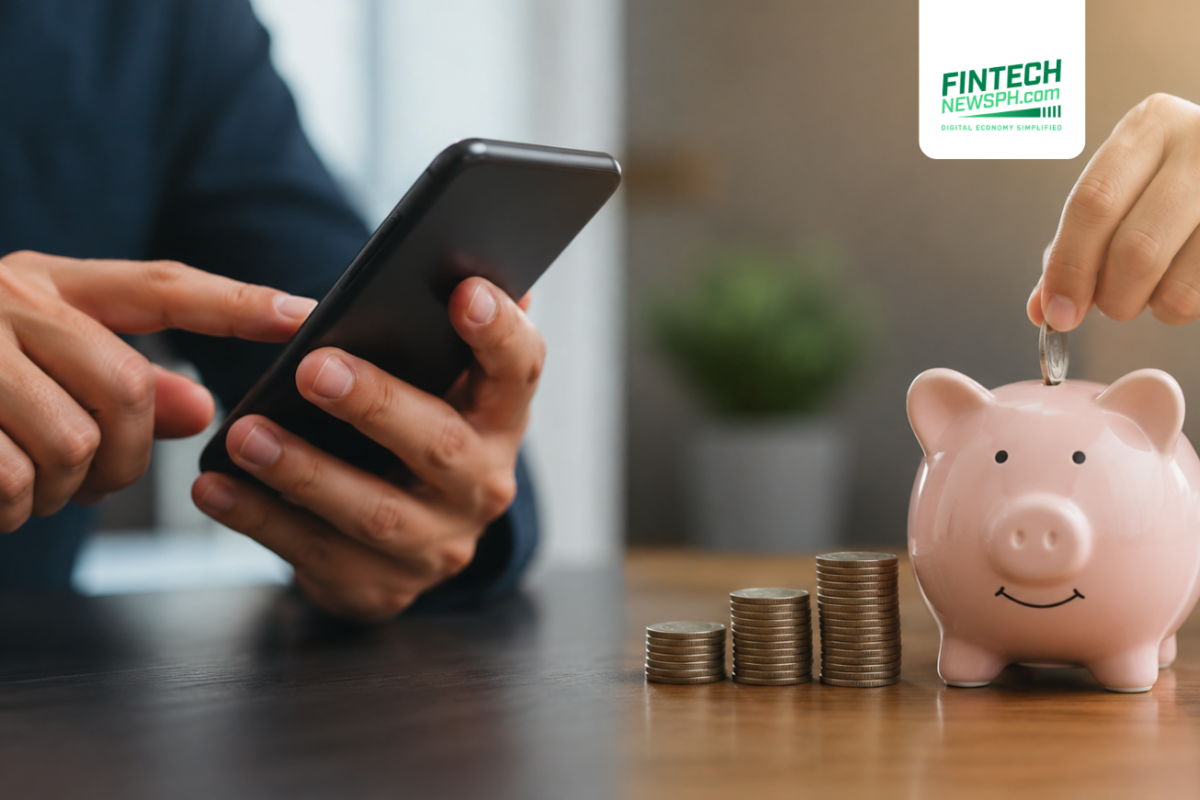
Digital banking has changed the way Filipinos save, spend, and manage money.
Saving money used to feel more intentional. Many Filipinos grew up seeing parents carefully divide salaries into envelopes after payday. One stack for groceries. Another for electricity bills. A smaller amount tucked away for emergencies. Some households kept alkansyas that slowly filled with coins over time, becoming symbols of patience and discipline.
Back then, spending also carried emotional weight. Handing over physical cash made purchases feel real because you could literally see your money leaving your hands.
Today, money moves almost invisibly.
A few taps can transfer funds, pay bills, approve loans, order food, or book vacations in seconds. Digital banking has made financial services faster, easier, and more accessible for millions of Filipinos. But while these innovations simplify everyday life, they are also quietly reshaping how people think and feel about spending.
And in 2026, that shift is becoming harder to ignore.
Convenience has changed financial behavior
Digital banking has brought undeniable benefits to the Philippines.
According to RCBC, digital financial services continue to improve financial inclusion by giving more Filipinos easier access to banking tools regardless of location.
For many users, this accessibility has been life-changing.
Workers can instantly send money to their families without long remittance lines. Small business owners can receive payments faster. Young professionals can automate savings goals and monitor expenses through mobile apps. Even people living in underserved areas now have better access to financial services that were once limited to traditional bank branches.
But convenience also changes habits.
Before the rise of digital banking, spending usually involved effort. People had to withdraw cash, travel to stores, or physically count money before buying something. Those small inconveniences created natural moments to pause and think before making purchases.
Today, most of those pauses have disappeared.
Online shopping apps now save payment details automatically. E-wallets allow one-click purchases. QR payments remove the need to carry cash. Some banking apps even integrate directly with shopping platforms, making transactions feel almost effortless.
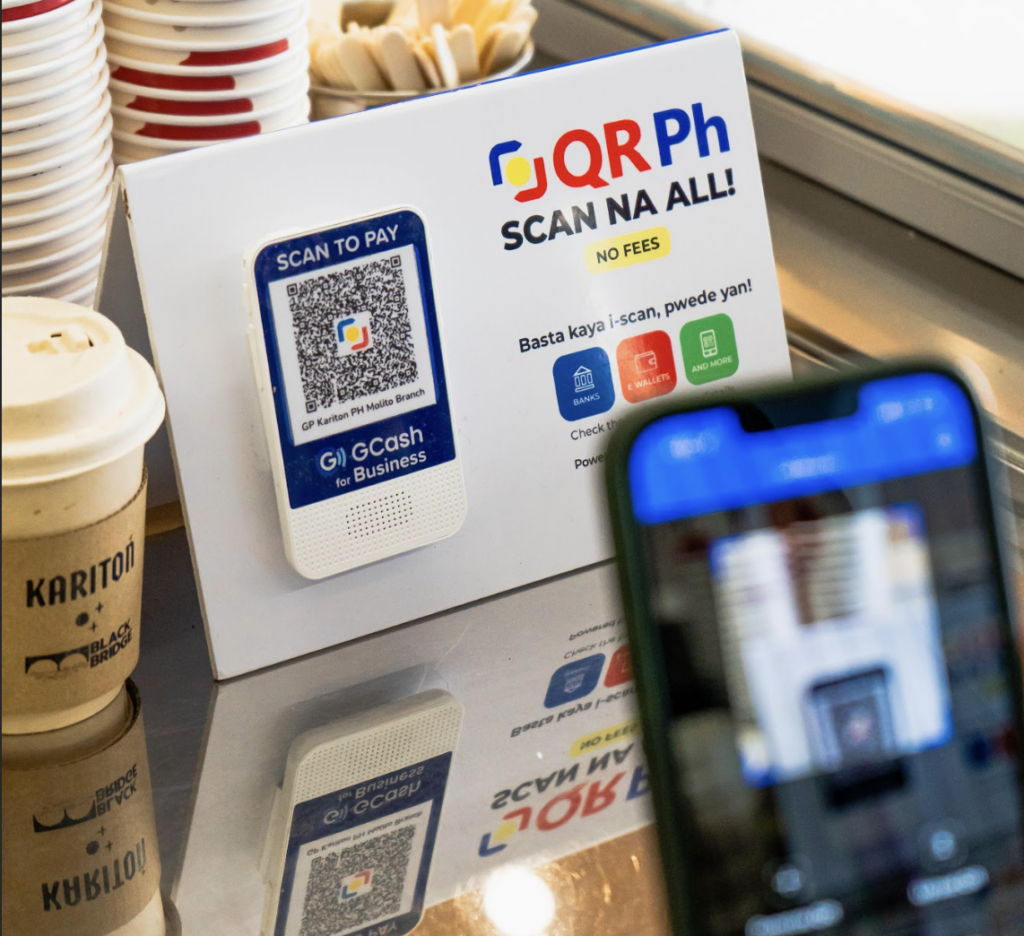
Researchers studying digital payment behavior have found that frictionless transactions reduce the psychological “pain” associated with spending money, making impulse purchases feel less emotionally significant.
For many Filipinos, this experience feels familiar.
Someone may open a banking app simply to check their balance, then suddenly end up browsing online sales after seeing cashback offers or promotional notifications. Because the transaction process feels smooth and quick, the spending decision often feels lighter too.
The money leaves quietly, almost unnoticed.
Spending is becoming emotionally invisible
One of the biggest changes brought by digital finance is how disconnected people can become from their own spending habits.
A ₱200 coffee ordered through an app does not feel as painful as handing over two physical ₱100 bills. A late-night online shopping purchase feels manageable since payment can be divided into installments. Subscription renewals quietly deduct money every month while users forget how many services they are actually paying for.
Over time, spending becomes less visible emotionally.
Money starts looking more like changing numbers on a screen instead of something tied to hard work, sacrifice, or long hours spent earning it. This emotional disconnect may partly explain why many people today feel financially stressed even when they are earning more than before.
At the same time, finance apps are becoming increasingly engaging.
Cashback rewards, loyalty systems, spending milestones, and personalized offers encourage users to stay active within financial ecosystems. Some platforms even use behavioral data to recommend products or spending opportunities based on user habits.
These features are designed to improve user experience, but they also blur the line between financial management and consumer behavior manipulation.
Instead of simply helping people save money, many apps now compete for attention in the same way social media platforms do.
And the more time users spend inside these ecosystems, the more opportunities there are to spend.
The rise of BNPL and installment-based living
Another major trend shaping financial discipline in 2026 is the continued growth of Buy Now, Pay Later services.
For many Filipinos, BNPL genuinely provides flexibility. Families use it for emergency appliance purchases. Students rely on installment options for gadgets needed for school. Young professionals use it to spread out large expenses without immediately draining savings.
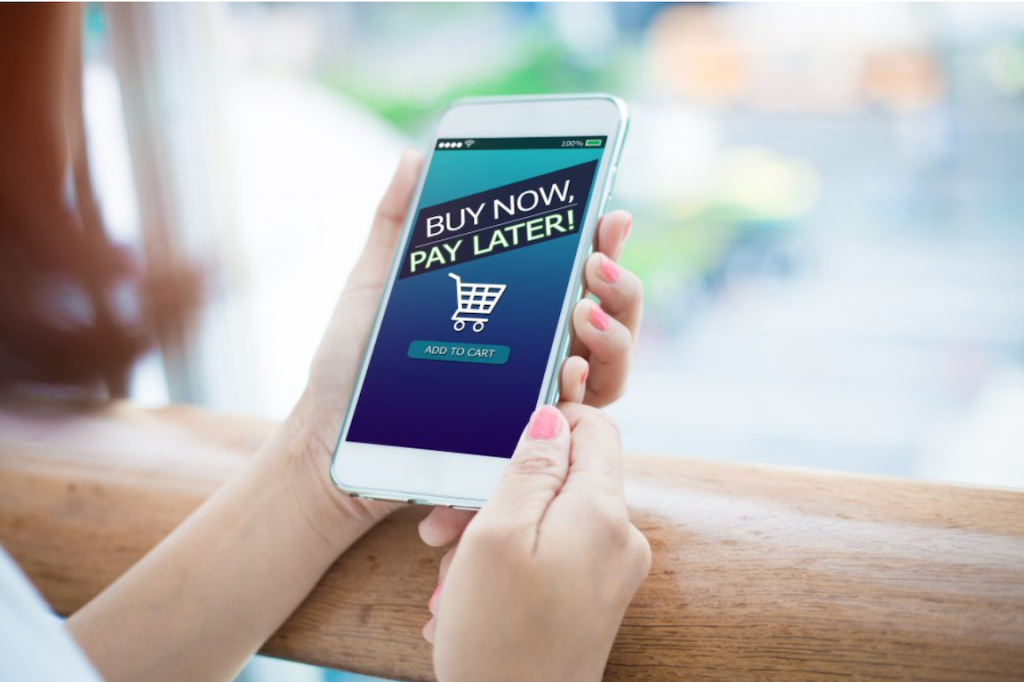
In a country where many households still deal with financial uncertainty, installment-based payments can offer short-term relief.
The concern begins when installment spending becomes normalized for everyday lifestyle purchases rather than occasional financial needs.
A monthly payment of ₱300 or ₱500 may not seem alarming on its own. But when multiple subscriptions, installment plans, and digital credit obligations overlap across several apps, the total financial burden can become difficult to track.
Research on digital finance warns that easier access to digital credit may increase household consumption while also increasing vulnerability to debt traps.
What makes digital debt especially dangerous is how invisible it can feel at first.
Traditional loans once involved paperwork, approval waiting periods, and face-to-face conversations with banks. Today, loans can be approved in minutes through smartphones, often with minimal emotional friction attached to borrowing money.
The seriousness of debt becomes delayed until repayment schedules begin piling up.
And by the time users fully realize how much they owe, most of their salary may already be allocated before payday even arrives.
Financial discipline now requires intentional effort
Digital banking itself is not the enemy.
In fact, many Filipinos are saving more consistently because of automated transfers, budgeting tools, and easier access to financial services. Technology has undeniably improved convenience and expanded opportunities for financial inclusion.
But financial discipline in 2026 requires more intentionality than ever before.
In a world where transactions are designed to feel seamless, users now need to create their own moments of pause manually. That may mean disabling shopping notifications, reviewing subscriptions monthly, setting spending limits, or learning to separate wants from instant emotional impulses.
Sometimes, financial discipline is no longer about resisting luxury.
It is simply about staying conscious.
Because while digital banking has made money easier to move, it has also made it easier to lose track of where it quietly goes.