

Cybercrime in the Philippines is evolving.
While many people still imagine cyberattacks as sophisticated hacking operations targeting bank systems, cybersecurity experts say the biggest threat to Filipino users in 2026 is far simpler — and far more dangerous.
Instead of breaking into systems, scammers are increasingly manipulating people.

This technique, known as social engineering, has become one of the most common ways criminals gain access to bank accounts, e-wallets, and sensitive personal data.
By tricking individuals into revealing passwords, one-time PINs, or personal information, attackers can bypass even the most advanced cybersecurity systems.
With digital payments and e-wallet usage continuing to grow in the Philippines, experts warn that the human element — not technology — is now the weakest link.
The rise of social engineering attacks
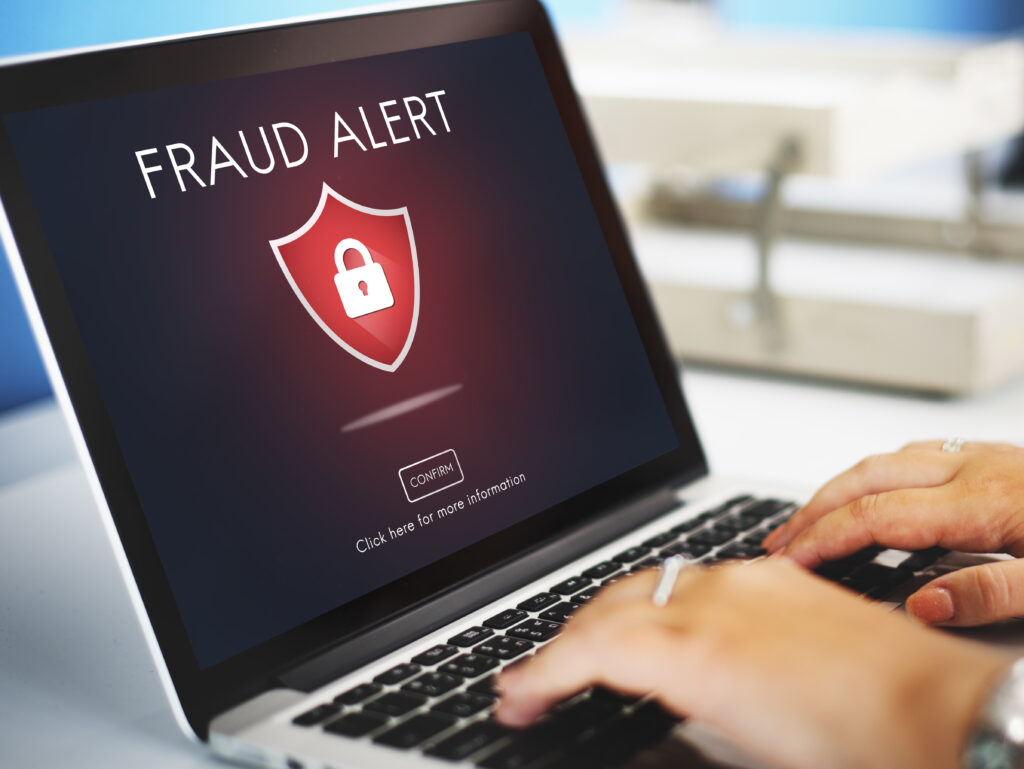
Social engineering refers to scams that rely on deception rather than technical hacking. Criminals impersonate trusted entities — banks, delivery companies, government agencies, or even friends — to convince victims to reveal confidential information.
In the Philippines, these scams commonly appear through:
- Phishing messages sent via SMS, email, or messaging apps
- Fake customer support calls pretending to represent banks or e-wallet providers
- Fraudulent links that mimic legitimate financial platforms
Once victims provide login details or verification codes, scammers can immediately access their accounts and transfer funds.
Because the attack targets the user rather than the system, traditional cybersecurity defenses often cannot stop it.
Deepfakes and AI-driven fraud
The rise of artificial intelligence is also making scams more convincing.
Cybersecurity analysts warn that deepfake technology — which uses AI to mimic voices or create realistic videos — may become a major tool for fraud in the coming years.
Criminals can now clone voices from short recordings, allowing them to impersonate bank representatives, company executives, or even family members.

In some cases internationally, scammers have used AI-generated voices during phone calls to convince employees to authorize fraudulent transfers. Experts say similar tactics could soon target Filipino consumers, particularly as voice-based verification and customer support interactions become more common.
For financial institutions, this means fraud detection systems must now adapt to threats that blur the line between real and artificial communication.
E-wallets and digital banking as prime targets
The Philippines has become one of Southeast Asia’s fastest-growing digital finance markets. Millions of Filipinos now rely on e-wallets and mobile banking apps for everyday transactions, from paying bills to sending remittances.
While these platforms have significantly improved financial access, they have also created new opportunities for scammers.
Fraudsters frequently target users of digital wallets through fake promotions, account verification alerts, or warnings about suspicious activity. Victims are then asked to click a link or provide verification codes that ultimately give criminals access to their accounts.
Because these scams mimic legitimate financial communication, many users only realize the fraud after funds have already been transferred.
Why humans are the weakest link
From a cybersecurity perspective, social engineering is particularly dangerous because it exploits trust.
Banks and fintech companies have invested heavily in encryption, authentication systems, and fraud monitoring tools. However, if a user voluntarily shares their login credentials or verification codes, those defenses can be bypassed instantly.
Cybersecurity experts often summarize the challenge simply: it is easier to trick a person than to hack a system.
As a result, security strategies are shifting beyond technology. Financial institutions are now investing in consumer education, behavioral monitoring, and real-time fraud detection to identify suspicious activity before losses occur.
How Filipino users can protect themselves
As social engineering scams become more sophisticated, cybersecurity experts say awareness is the most effective defense.
Users are advised to remember several key precautions:
Never share one-time PINs (OTPs) or passwords with anyone, even if the request appears to come from a bank or e-wallet provider. Legitimate financial institutions will not ask for these details.
Users should also avoid clicking links in unsolicited messages and instead access banking platforms directly through official apps or websites.
Finally, if a message or call creates urgency—such as claiming an account will be suspended—it should be treated with caution. Creating panic is a common tactic used by scammers to pressure victims into acting quickly.
The growing role of cybersecurity awareness
As digital finance adoption accelerates, cybersecurity experts believe the battle against fraud will increasingly focus on education rather than infrastructure alone.
Banks, fintech platforms, and regulators are already launching awareness campaigns to help users identify suspicious messages and scams. Some institutions are also strengthening authentication systems and monitoring unusual transaction patterns.
However, experts say the most important defense remains informed users.
In the age of AI-generated scams and sophisticated phishing tactics, cybersecurity is no longer just a technical issue — it is a human one. And for Filipino consumers navigating the rapidly expanding digital finance ecosystem, understanding how social engineering works may be the most important protection of all.