Stablecoins are emerging as one of Southeast Asia’s most closely watched financial innovations, offering the potential to make cross-border payments faster, cheaper, and more accessible for millions of people—including overseas Filipino workers (OFWs) who send money home.
Unlike traditional remittance channels that often involve multiple intermediaries, stablecoins allow funds to move across blockchain networks in minutes, even outside banking hours. For Filipino families that depend on remittances, the technology could help reduce transaction costs while speeding up access to much-needed funds.
Stablecoins are cryptocurrencies whose value is pegged to a stable asset, most commonly the US dollar. Popular examples include USDT and USDC, both of which are designed to maintain a one-to-one value with the dollar, making them less volatile than cryptocurrencies such as Bitcoin or Ethereum.
The potential savings are significant. (See our guide to stablecoin adoption for the bigger picture.)
Stablecoins help maximize money sent to Filipino families
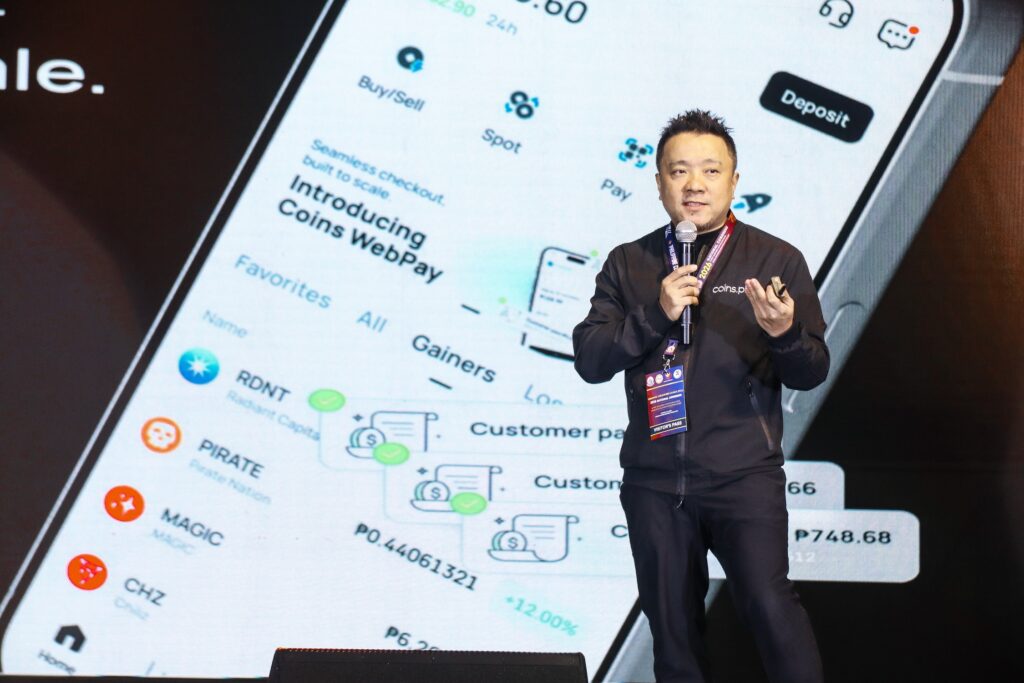
Wei Zhou, CEO of Coins.ph, advocating for responsible stablecoin adoption
According to the World Bank, sending US$200 internationally costs an average of around 6.5% in fees. Stablecoin-powered transfers, by comparison, can reduce those costs to below 2%, depending on the platform and payment corridor.
For the Philippines, where remittances remain a major economic driver, lower fees could translate into more money reaching households. The country receives approximately US$38 billion in annual remittances, making improvements in payment efficiency particularly meaningful for millions of Filipino families.
The growing interest in stablecoins has also prompted local fintech companies to expand access to the technology.
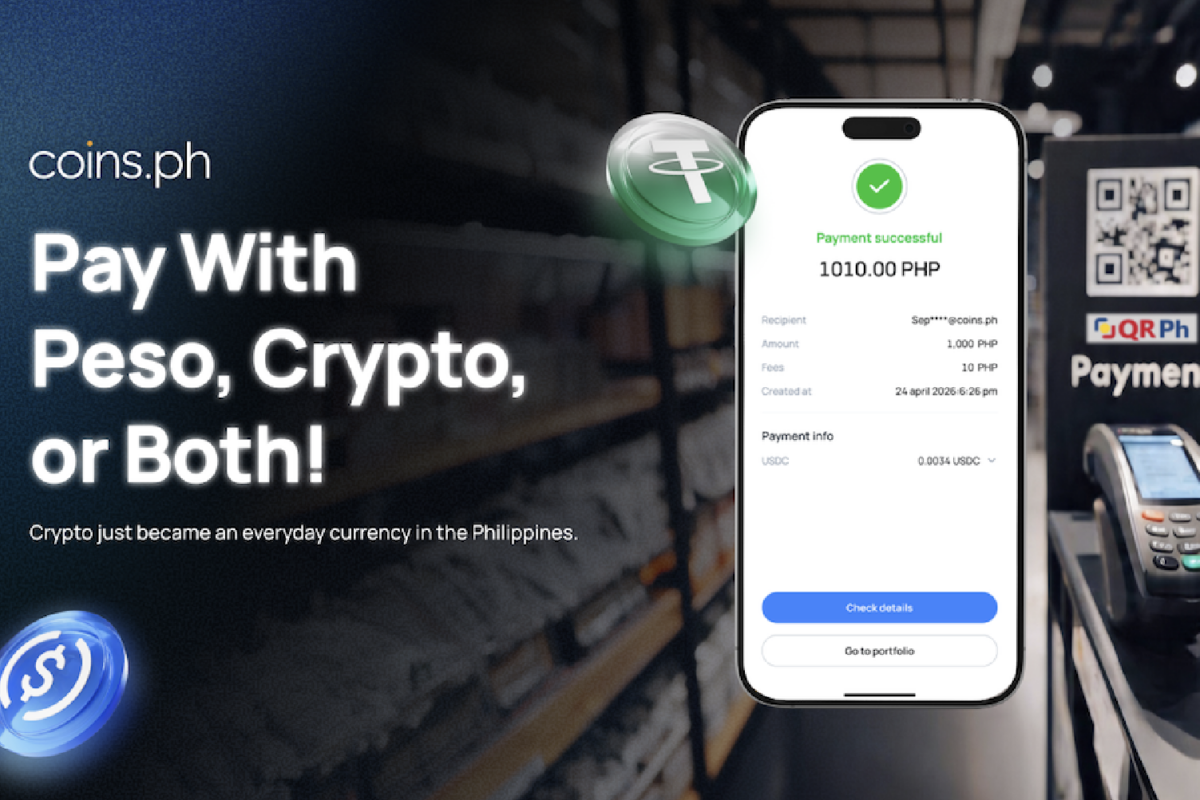
Among the most active is Coins.ph, a BSP-licensed app and one of the country’s longest-running Virtual Asset Service Providers (VASPs). Over the past year, the company has stepped up efforts to educate Filipinos about the practical use cases of stablecoins beyond cryptocurrency trading.
Coins.ph has positioned stablecoins as a tool for cross-border payments, digital commerce, and financial inclusion, highlighting how blockchain-based dollar-backed assets can complement existing payment systems. The platform allows users to buy, hold, send, and convert supported stablecoins into Philippine pesos, providing an accessible bridge between blockchain networks and the local financial system.
The company has also participated in industry discussions advocating for responsible stablecoin adoption, emphasizing the importance of regulation, consumer protection, and financial literacy as digital assets become more widely used.
Stablecoins growth brings opportunities and policy challenges
IMAGE CREDIT: Freepik
Other Philippine digital finance platforms have likewise begun integrating blockchain-based payment capabilities, reflecting a broader shift toward faster and more interoperable digital payment infrastructure.
Despite the opportunities, experts caution that stablecoins should not be viewed as risk-free alternatives to traditional financial services.
Consumers are advised to transact only through BSP-licensed providers, as unregulated platforms remain vulnerable to fraud and scams. Users should also understand that a stablecoin’s reliability depends on the quality and transparency of the reserves backing the token.
Policymakers have also raised questions about the long-term implications of widespread dollar-backed stablecoin adoption. Some economists have warned of “digital dollarization”, a scenario in which individuals increasingly hold their savings in digital US dollars instead of local currency.
If adoption becomes widespread, this could complicate monetary policy and reduce the central bank’s ability to manage liquidity and exchange rates.
Even so, regional momentum continues to build. (Read more here on the regional payment landscape.)
Coins.ph helps drive Philippine stablecoin adoption forward
Across Southeast Asia, financial institutions, fintech firms, and regulators are exploring blockchain-powered payment networks, including experiments involving local-currency stablecoins and direct cross-border settlement systems that reduce dependence on the US dollar.
While dollar-backed stablecoins are expected to remain the dominant option for international remittances in the near term, regional initiatives suggest that future payment ecosystems could support seamless transfers between ASEAN currencies without relying on traditional correspondent banking networks.
For now, stablecoins are increasingly being viewed not as a replacement for conventional remittance services, but as another payment rail capable of making international money transfers faster, more affordable, and more efficient.
As adoption grows in the Philippines, industry players such as Coins.ph are helping introduce the technology to mainstream users while regulators continue working to ensure innovation develops alongside appropriate safeguards.
—
Disclaimer: This article is for news and informational purposes only and should not be construed as financial or investment advice or an endorsement of any cryptocurrency or platform. Crypto-assets are highly speculative and involve significant risks. Readers should verify the regulatory status of crypto service providers with the BSP and the SEC before making any investment or transaction.