
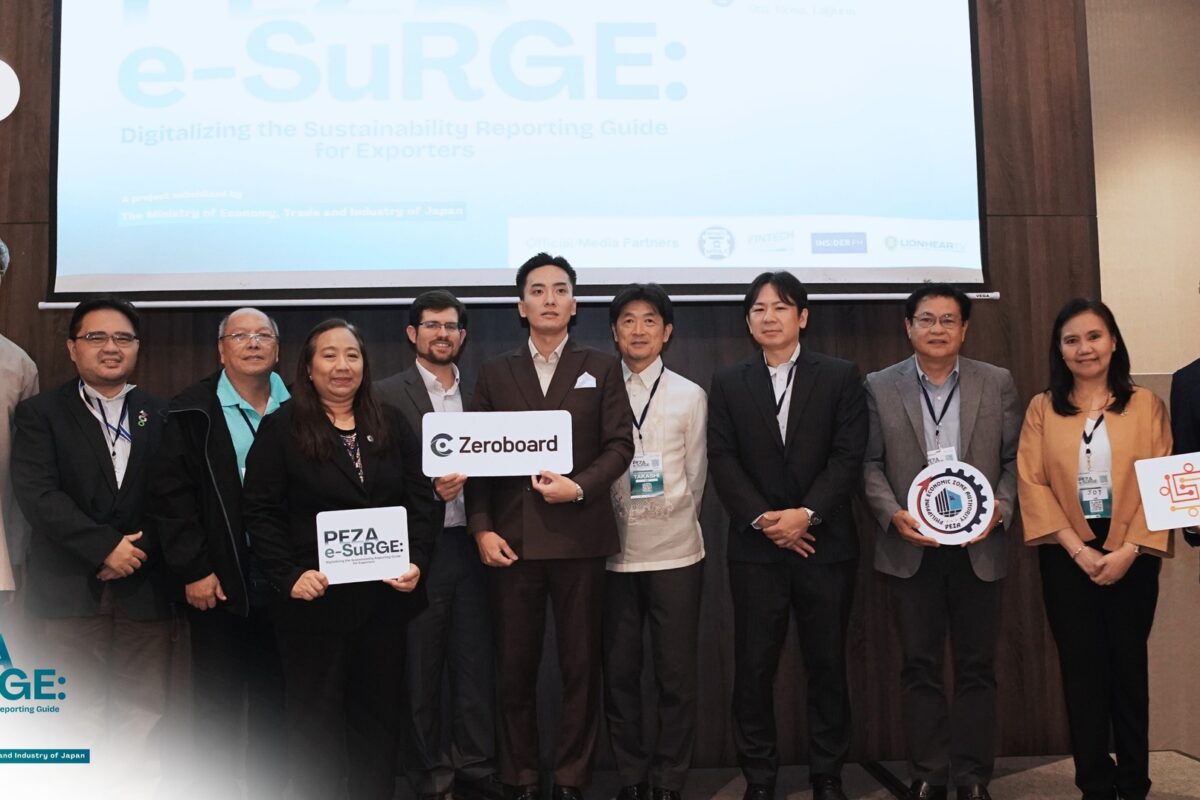
The Philippine Economic Zone Authority has launched PEZA e-SuRGE, a digital sustainability reporting platform designed to help exporters strengthen their environmental, social, and governance (ESG) reporting capabilities.
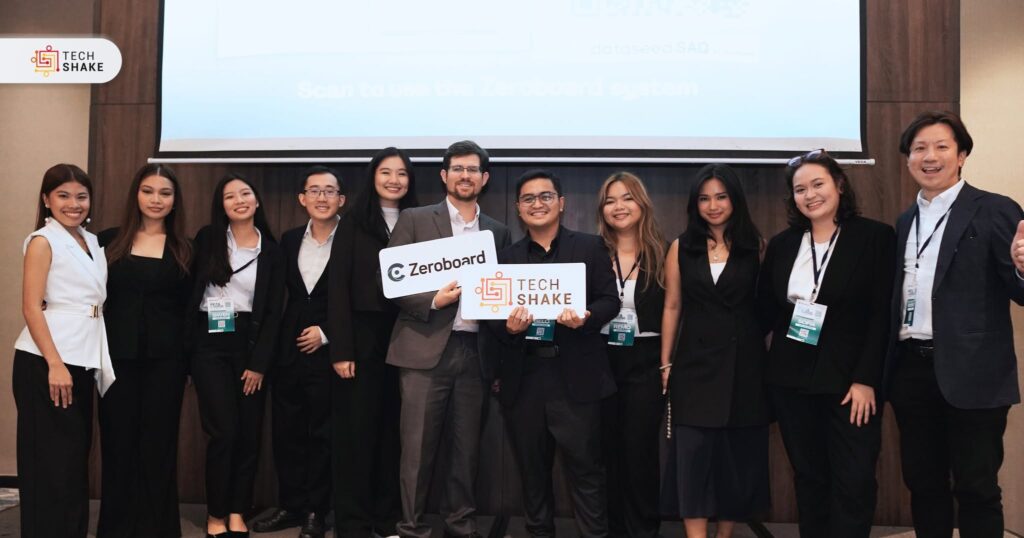
The initiative was launched in partnership with Japan-based sustainability technology company Zeroboard Inc. and Philippine-based startup ecosystem builder TechShake. The launch was held on June 4 at Seda Nuvali in Sta. Rosa, Laguna, gathering PEZA-registered enterprises, government representatives, sustainability leaders, and partners from the Philippines and Japan.
PEZA e-SuRGE digitalizes the agency’s Sustainability Reporting Guide for Exporters (SuRGE), a framework developed by PEZA based on Global Reporting Initiative (GRI) standards. The platform aims to make ESG reporting more efficient, accessible, and scalable for PEZA-registered business enterprises operating within economic zones.
Supporting exporters’ ESG readiness
Speaking on behalf of PEZA Director General Tereso O. Panga, PEZA Deputy Director General for Policy and Planning Emmanuel “Loy” Cortero said ESG performance is increasingly shaping investment decisions, supply chain requirements, and market access.
“For exporters, sustainability reporting is no longer optional,” Cortero said, noting that responsible business practices are becoming an essential part of long-term competitiveness.
Through e-SuRGE, participating enterprises can collect, manage, monitor, and disclose sustainability-related information more efficiently. The platform is intended to help companies organize ESG data, track progress, and respond to rising disclosure expectations from regulators, investors, customers, and global buyers.
Cortero said the initiative is more than a reporting platform, describing it as a strategic enabler that can help PEZA enterprises strengthen ESG performance and reinforce their position within global value chains.
Digitalizing sustainability reporting
The SuRGE framework covers environmental, social, and governance disclosures, including emissions, energy use, resource consumption, labor practices, accountability, and ethical conduct. It also includes SDG mapping, compliance checks, and alignment with export market requirements.
PEZA Group Manager Rowena Naguit said the framework is designed to simplify and standardize sustainability reporting while recognizing that companies have different levels of readiness. Enterprises may begin with basic disclosures using available data, then progress toward more advanced reporting as their sustainability systems mature.
During the platform walkthrough, Zeroboard said e-SuRGE aims to address common reporting challenges such as decentralized ESG data, version control issues from Word, PDF, and Excel-based submissions, and repeated disclosure requests from different stakeholders.
The platform includes a centralized digital hub, file upload features, user access management, progress tracking, data export, and planned AI-assisted tools that may help companies respond to future disclosure requests more efficiently.
Onboarding starts June 24
After the launch, companies may register through the QR codes shared during the event. An online onboarding session is scheduled on June 24 to guide registered users on account access, user management, platform features, report submission, and data extraction.
Following the onboarding session, companies may begin filling out e-SuRGE disclosures. The pilot reporting period will run from July until December, with participating enterprises given until December 31 to complete and submit their reports.
A UI/UX survey will also remain open until the end of January to gather feedback from users and improve the system based on the needs of Philippine exporters.
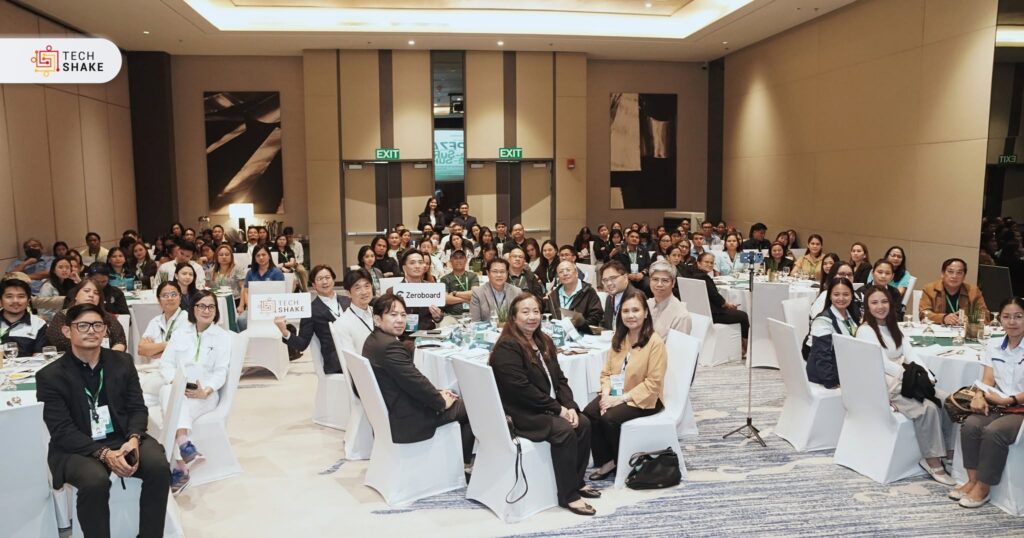
During the open forum, participating enterprises raised questions on account access, multi-site reporting, confidentiality, integration with other government submissions, and whether e-SuRGE would become mandatory. PEZA clarified that the current proof of concept is voluntary, and that any future mandatory requirement would need to be covered by a policy or memorandum circular.
However, PEZA encouraged enterprises to use the pilot as a capacity-building opportunity, especially as export clients increasingly request sustainability information from suppliers.
Strengthening Philippine-Japan ESG collaboration
The initiative is subsidized by Japan’s Ministry of Economy, Trade and Industry and forms part of broader cooperation between Philippine and Japanese stakeholders on sustainability, ESG reporting, and green transformation.
TechShake’s role in the initiative centers on ecosystem-building, cross-border collaboration, and support for engagement between Philippine and Japanese stakeholders. According to the event materials, key areas of cooperation include ESG reporting education, pilot implementation support, sustainability reporting awareness, and networking activities that promote sustainable business practices.
GRI Philippines Country Manager Vincent de Paz said the digitalization of SuRGE helps turn sustainability guidance into a more practical tool for businesses. He said the launch marks a shift from manual templates to technology, allowing exporters to focus less on paperwork and more on performance.
With e-SuRGE now open for pilot participation, PEZA is encouraging registered enterprises to test the system, submit available ESG data, and provide feedback. The agency said it will continue working with its partners to make sustainability reporting more practical, meaningful, and useful for exporters seeking to stay competitive in global value chains.