
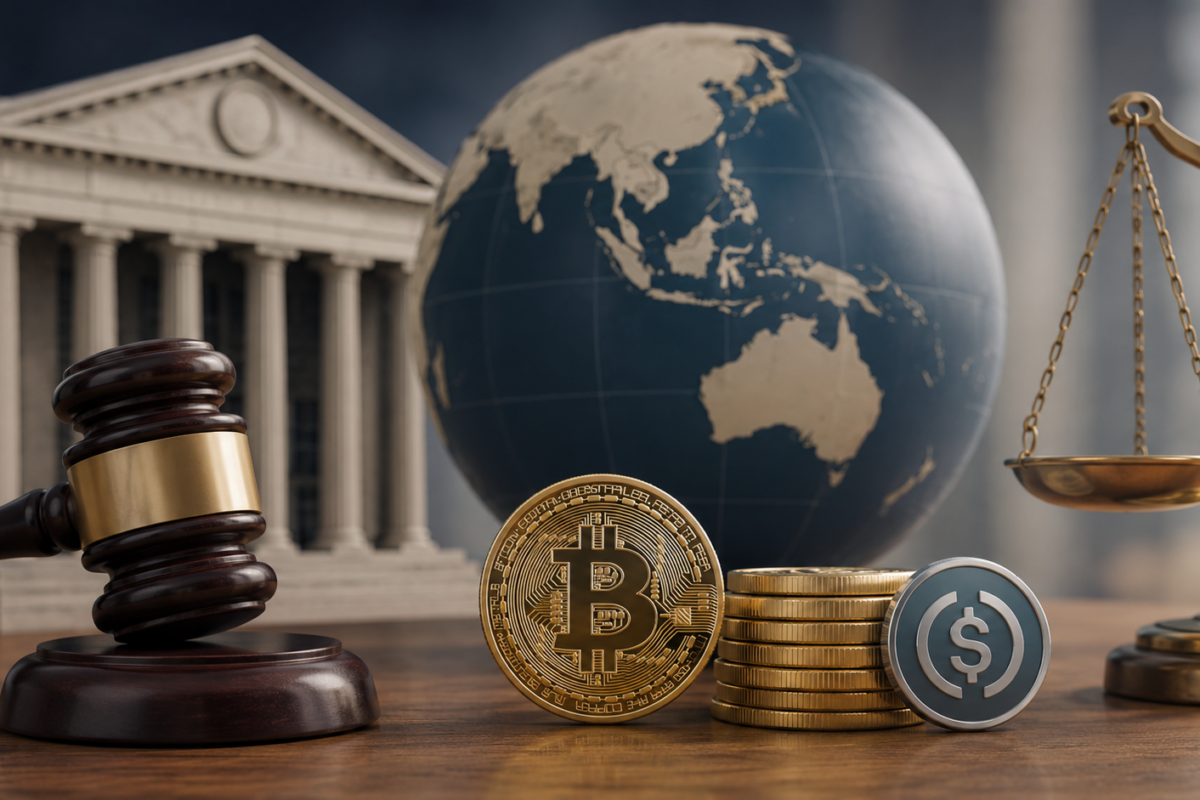
The United States’ proposed Digital Asset Market Clarity Act, or “Clarity Act,” is increasingly being watched beyond Washington as regulators across Asia-Pacific reassess how they supervise crypto exchanges, stablecoins, and decentralised finance platforms.

While the bill is still moving through the U.S. legislative process, its provisions around anti-money laundering, decentralisation standards, and stablecoin oversight could influence how regulators in markets such as the Philippines tighten crypto compliance frameworks in the coming years. The measure recently cleared a key Senate hurdle, signalling growing momentum behind broader crypto regulation in the U.S., according to a report by Livemint.
A push for stricter crypto oversight
The Clarity Act seeks to establish clearer rules for digital assets and determine which U.S. agencies would oversee different segments of the crypto industry.
Under the proposal, the Commodity Futures Trading Commission would become the primary regulator for much of the sector, while the Securities and Exchange Commission would continue supervising crypto assets classified as securities, the Livemint report noted.
One of the bill’s most closely watched provisions involves anti-money laundering obligations. Crypto exchanges, brokers, and dealers would be treated similarly to financial institutions under the Bank Secrecy Act, requiring stricter customer identity verification, transaction monitoring, and suspicious activity reporting.
The legislation also attempts to define what qualifies as a “decentralised” platform. Under the proposed framework, platforms that can block users or provide preferential access may not qualify as decentralised and could instead face full compliance obligations similar to traditional financial institutions.
Another major area of focus is stablecoin regulation.
The broader U.S. policy direction, including developments linked to the GENIUS Act, has pushed for stronger reserve requirements, tighter disclosure rules, and limits on interest-like rewards tied to stablecoin holdings.
Why APAC regulators are likely paying attention
For regulators across APAC, the Clarity Act reflects a broader global trend toward bringing crypto activities closer to mainstream financial compliance standards.
In the Philippines, the Bangko Sentral ng Pilipinas and the Securities and Exchange Commission have already increased oversight of virtual asset service providers in recent years. Existing BSP rules require crypto firms to comply with anti-money laundering standards, cybersecurity requirements, and consumer protection measures.
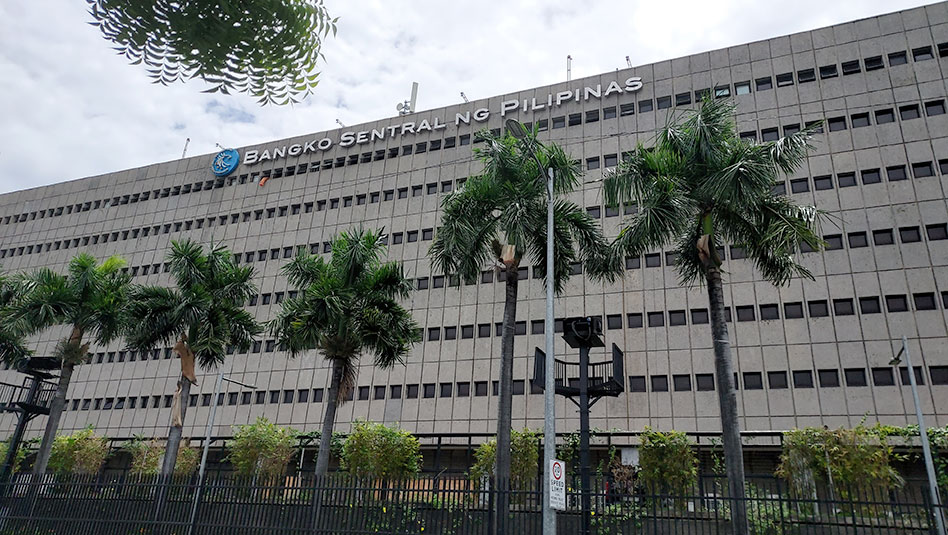
IMAGE CREDIT: BSP
However, the U.S. proposal could raise expectations around how aggressively regulators define compliance obligations for crypto platforms, especially as concerns around illicit finance, cross-border transactions, and stablecoin risks continue to grow globally.
Stricter U.S. definitions of decentralisation may also influence how regulators in APAC assess decentralised finance platforms that currently operate in regulatory grey areas. If global policymakers increasingly treat certain DeFi services as financial intermediaries rather than purely software-based systems, exchanges and token platforms in the region could face heavier compliance burdens.
The same may apply to stablecoins, which remain a sensitive issue for regulators concerned about financial stability and consumer protection. Policymakers globally are exploring whether stablecoin issuers should face bank-like reserve and reporting obligations, particularly as adoption grows in cross-border payments and digital commerce.
A recent opinion piece from the Wall Street Journal highlighted concerns around the broader economic risks tied to privately issued digital currencies.
What this could mean for the Philippines
For the Philippine market, tighter global crypto standards could eventually affect licensing requirements, transaction reporting obligations, and market access expectations for local players.
The Bangko Sentral ng Pilipinas (BSP) has generally taken a cautious but innovation-friendly approach toward digital assets. However, if major jurisdictions such as the U.S. impose tougher rules on exchanges and stablecoin operators, Philippine regulators may face pressure to align with emerging international standards to maintain credibility and reduce regulatory arbitrage risks.
This could become particularly relevant as the Philippines continues expanding digital payments adoption and exploring broader blockchain-related financial services. More harmonized compliance expectations across markets may help improve investor confidence, but they could also raise operational costs for smaller crypto firms and startups.
At the same time, clearer regulatory definitions may provide larger institutional players with greater certainty to enter the digital asset sector. That could reshape competition in the region, especially if banks, fintech firms, and licensed financial institutions gain advantages over loosely regulated crypto platforms.
Global rules may increasingly shape local policy
The Clarity Act is still facing political debate in the U.S., particularly around consumer protections, ethics provisions, and the treatment of decentralised platforms. Crypto-focused publication CoinGeek reported that negotiations around digital asset market structure rules remain ongoing.
Still, the broader direction is becoming clearer. Global regulators are moving toward stricter oversight of crypto activities that increasingly resemble traditional financial services.
For APAC markets such as the Philippines, the conversation is no longer just about enabling crypto innovation. It is increasingly about how to balance digital asset growth with financial stability, anti-money laundering enforcement, and consumer protection in a rapidly evolving global regulatory environment.
—
Disclaimer: This article is for news and informational purposes only and should not be construed as financial or investment advice or an endorsement of any cryptocurrency or platform. Crypto-assets are highly speculative and involve significant risks. Readers should verify the regulatory status of crypto service providers with the BSP and the SEC before making any investment or transaction.