
For many Filipinos, a credit score is something they only think about when applying for a credit card, personal loan, car loan, or housing loan.
But that is starting to change.
As more financial services move online, your credit profile can matter not only to banks, but also to digital lenders, buy now, pay later providers, e-commerce platforms, and other fintech services. It is becoming part of how financial institutions understand whether a borrower can responsibly manage credit.
The good news is that Filipinos no longer have to rely only on branch visits or lengthy manual requests to view their credit information. There are now online ways to request a credit report and, in some cases, view a credit score.
First, what is a credit score?
A credit score is a number that helps lenders assess how risky or reliable a borrower may be.
It is usually based on information found in a person’s credit report, which may include personal information, credit history, current debts, and inquiries from lenders. TransUnion Philippines describes a credit report as a snapshot of a person’s financial history that helps financial institutions assess creditworthiness.

In simple terms, the credit report is the detailed record. The credit score is the quick summary.
That is why checking your credit report can be helpful even before you apply for a new loan or credit card. It gives you a chance to see what lenders see—and whether there are details that need to be corrected.
Where Filipinos can request their credit report online
The Credit Information Corporation, or CIC, lists several ways for consumers to request a credit report. These include the Lista app, CreditMo app, CRIF Philippines, and the CIC’s Direct-to-Consumer Program. The CIC also says consumers do not need to personally visit its office because identity verification is done online through the platform used by the credit bureau, including video call verification for KYC compliance.
One option is Lista PH.
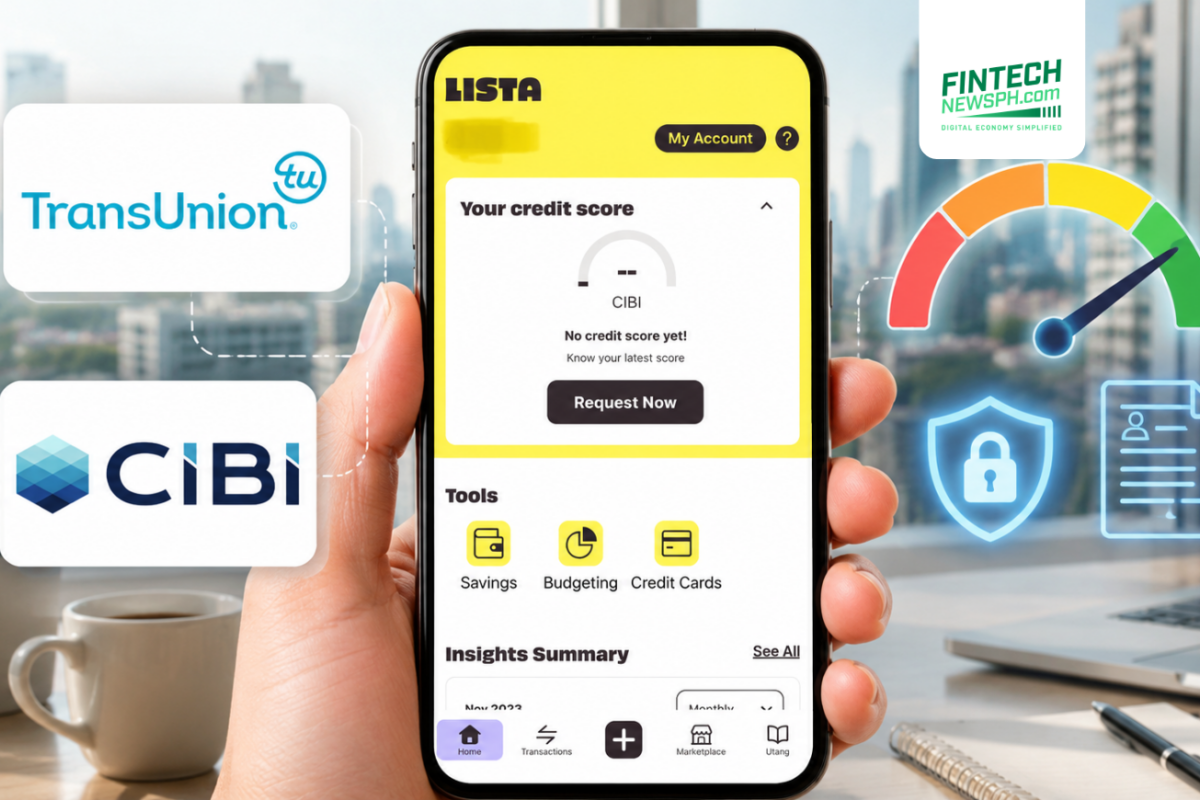
According to the CIC, users can request a CIC Credit Report with Credit Score through the Lista PH mobile app, powered by CIBI Information Inc. The process involves downloading the app, signing up, requesting the credit report, paying the applicable fee, and downloading the report.
Lista also says users can check their credit score from TransUnion or CIBI through its app and receive alerts on important changes in their credit report.
TransUnion Philippines has also partnered with Lista to allow adult consumers in the Philippines to request their TransUnion credit score and credit report through Lista’s mobile app. TransUnion said the service allows users to request credit reports, validate identity documents, and settle payments digitally through the app.
This is useful because credit information used to feel distant or hard to access for ordinary consumers. Now, it is slowly becoming something people can check from their phones, similar to checking a bank balance or e-wallet transaction history.
What usually happens during the process
The exact steps may differ depending on the app or bureau, but the process is generally similar.
You create an account, enter your personal details, complete identity verification, pay the applicable fee, and wait for the report or score to become available. Some services may include a video call or document check as part of identity verification.
Once you receive your report, don’t stop at the credit score. Take a few minutes to review the details.
Check the details carefully. Look at your name, birthday, identification information, listed accounts, payment history, loan balances, closed accounts, and lender inquiries.
If something looks unfamiliar — such as a loan you don’t remember applying for — it’s worth investigating further.
The CIC says consumers may file disputes online through its Online Dispute Resolution Process if they find erroneous data in their CIC credit report. Filing a dispute is free of charge.
Why checking your credit profile is becoming more useful
Credit scores are becoming more relevant because borrowing is no longer limited to traditional banks.
Today, many Filipinos use app-based loans, BNPL options, e-commerce credit, digital bank products, and other mobile-first financial services. BusinessWorld reported that CIC credit reports rose to 27 million in 2025, nearly triple the previous year, with demand driven by online lenders and e-commerce channels offering products such as BNPL and cash loans.
That means credit checks are becoming more common in the background of digital finance.
For consumers, knowing your credit profile can help you prepare before applying for a loan or credit card. It can also help you catch errors, spot possible fraud, and understand how your repayment behavior may affect future borrowing.
It does not mean everyone needs to obsess over their score every week. But checking it from time to time can give you a clearer picture of your financial standing.
A practical habit for digital finance users
If you already use e-wallets, online loans, credit cards, BNPL, or digital banking apps, checking your credit report can be a practical financial habit.
It helps you understand what lenders may see. It also reminds you that small financial behaviors, such as paying on time, avoiding too many applications, and managing debt carefully, can affect your access to credit later on.
In a fintech-driven economy, your credit profile is becoming part of your financial identity.
As more financial decisions move online, knowing what’s in your credit record is one way to stay informed, prepared, and in control of your financial future.