
MSME green lanes being developed by the Department of Trade and Industry could allow qualified small businesses to begin operating and earning while some permit applications are still being completed.
DTI is working with the Anti-Red Tape Authority, Bureau of Internal Revenue, Food and Drug Administration, and Bureau of Fire Protection on a dedicated system aimed at shortening permitting delays for micro, small and medium enterprises.
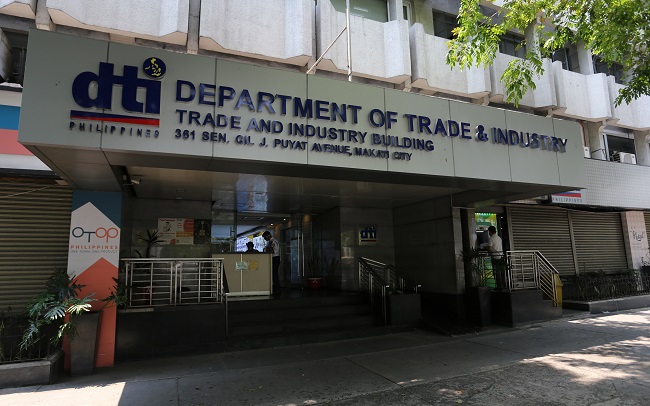
The proposed framework would include standardized fee caps and temporary permit rules for compliant businesses, with implementation targeted by the end of 2026 or the first quarter of 2027, according to a Philippine News Agency report on the DTI proposal.
Temporary permits could shorten the wait before businesses earn
For MSMEs, the period between setting up a business and being allowed to operate can carry a financial cost.
A business may already have committed money to rent, equipment, inventory, utilities, financing and other startup expenses before it is able to generate sales. Longer permit processing can extend that pre-revenue period and put additional pressure on limited working capital.
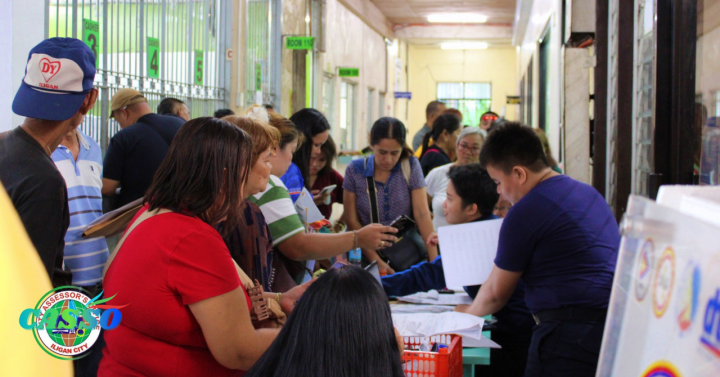
The temporary permit mechanism proposed by DTI could shorten that gap by allowing compliant enterprises to begin selling and earning while remaining applications are processed.
Details on which businesses would qualify, how long temporary permits would remain valid and which requirements would still have to be completed before operations can begin have yet to be announced.
Trade Secretary Ma. Cristina Roque said the broader goal is to reduce red tape for MSMEs, which account for 99.6% of Philippine businesses and around 67% of the workforce.
During a Senate Committee on Trade, Commerce and Entrepreneurship hearing, Senator Bam Aquino also pushed for requirements that take into account the size, risk profile and complexity of a business rather than imposing the same regulatory burden on smaller and larger enterprises.
MSME green lanes would be separate from EO 18
The proposed system is different from the government’s existing Green Lane for Strategic Investments.
President Ferdinand Marcos Jr. issued Executive Order No. 18 in 2023 to accelerate permits and licenses for qualified strategic investments. The program requires government agencies and local governments to establish dedicated green lanes for projects endorsed through the Board of Investments’ One-Stop Action Center for Strategic Investments.
The existing EO 18 framework is primarily designed for large or high-impact projects in priority sectors rather than ordinary small-business registrations.
As of March 2026, 244 projects worth ₱6.43 trillion had received Green Lane certification under EO 18, with investments concentrated in renewable energy, infrastructure, digital infrastructure, water and food security, according to the Board of Investments.
DTI’s new proposal would effectively bring a similar fast-track concept to much smaller enterprises dealing with day-to-day business permits and regulatory requirements.
DTI also wants permit costs to become more predictable
Standardized fee caps are another component of the proposed MSME green lanes.
For entrepreneurs working with limited startup capital, clearer and more predictable permitting costs could make it easier to budget how much money must be set aside before opening.
The proposal comes as DTI is also expanding programs aimed at helping MSMEs reach customers.
Roque said Metro Manila trade shows generated around ₱1 billion in MSME sales during the first six months of 2026, compared with about ₱600 million for the whole of 2025.
DTI is also linking small businesses with major retailers, offering free selling space through its MSME Hub and using its network of trade attachés to connect local enterprises with overseas buyers.
Faster permitting addresses an earlier part of that business cycle.
Market-access programs can help entrepreneurs find customers once their businesses are operating. Reducing the time needed to secure permits could help them reach that point sooner, particularly when startup funds are already tied up in inventory, rent and other operating requirements.
The final design of the MSME green lanes will depend on how DTI and its partner agencies set eligibility rules, temporary-permit conditions and fee limits.
If the government meets its end-2026 or early-2027 target, small businesses could have a new route for reducing the amount of time between investing capital and being allowed to start earning from it.