

Singapore-headquartered digital identity provider ADVANCE.AI has become the first firm in Southeast Asia — and one of only six globally — to pass the biometric security test for detecting AI-generated injection attacks.
The evaluation, conducted by NIST-accredited biometric testing laboratory BixeLab, tested the platform’s capacity to block sophisticated synthetic identities.
Across 600 simulated attacks on Android and iOS platforms — including deepfake videos, face swaps, and 3D avatar impersonations — ADVANCE.AI achieved a 100 percent detection rate, with zero attacks bypassing its verification pipeline.
The milestone comes as the Philippines faces escalating exposure to synthetic identity fraud within its digital banking and e-wallet ecosystems.
Closing verification gaps in fragmented markets
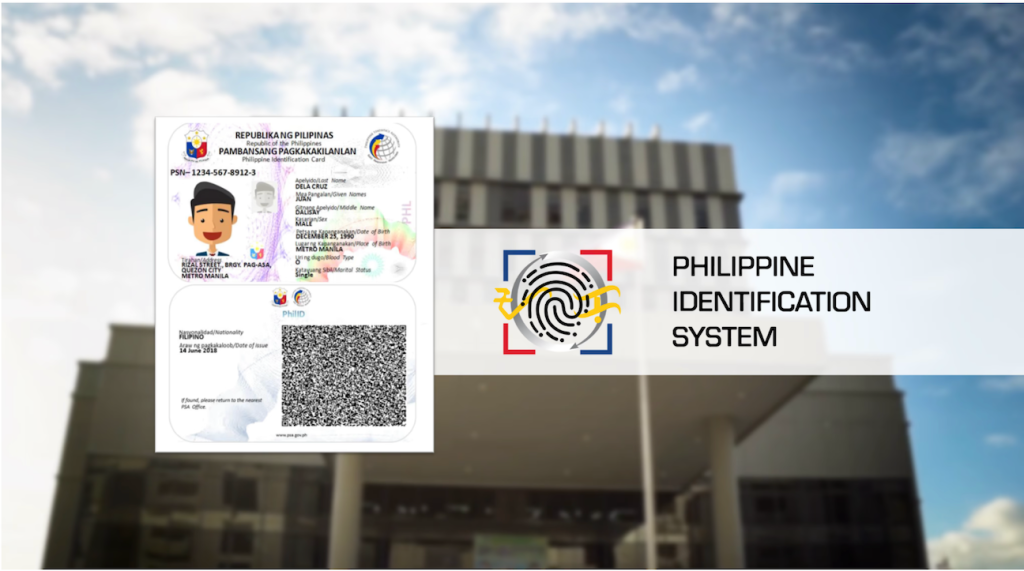
IMAGE CREDIT: PhilSys
While the Philippines continues to expand its PhilSys unified digital identity initiative, local financial institutions still accept more than 20 different government-issued identity documents. This fragmented verification landscape creates vulnerabilities that increasingly automated fraud networks are quick to exploit.
Unlike traditional presentation attacks—where fraudsters hold printed photos or silicone masks up to a device camera—injection attacks bypass the physical sensor entirely. Fraudsters inject AI-generated video feeds and synthetic media directly into a system’s software pipeline.
The evaluation tested compliance under the CEN/TS 18099 Injection Attack Detection (IAD) standard, which assesses software-layer resilience against system manipulation.
Combined with its existing iBeta Level 2 certification for physical spoofing, the achievement positions ADVANCE.AI to secure both primary biometric attack vectors: the camera and the underlying software pipeline.
Escalating threats in financial services

IMAGE CREDIT: istock.com
The technical validation arrives as digital fraud losses in the Philippines hit record levels, with local businesses losing an estimated ₱4 trillion to fraud-related incidents in 2025.
“The fraud techniques we are seeing are a different order of magnitude from even two years ago, especially within financial services,” said Zhang Yi, Head of Product at ADVANCE.AI “Fraudsters are using AI to generate synthetic identities and inject them directly into verification systems—attacks that are invisible to the naked eye. Regulators are paying close attention to how financial institutions manage this risk.”
ADVANCE.AI, part of the SoftBank Vision Fund 2-backed Advance Intelligence Group, provides identity verification, KYC/KYB, and risk management solutions to enterprise clients across banking, fintech, and e-commerce globally.
The firm joins a select group of certified providers headquartered in the United States, Brazil, and the United Arab Emirates.