
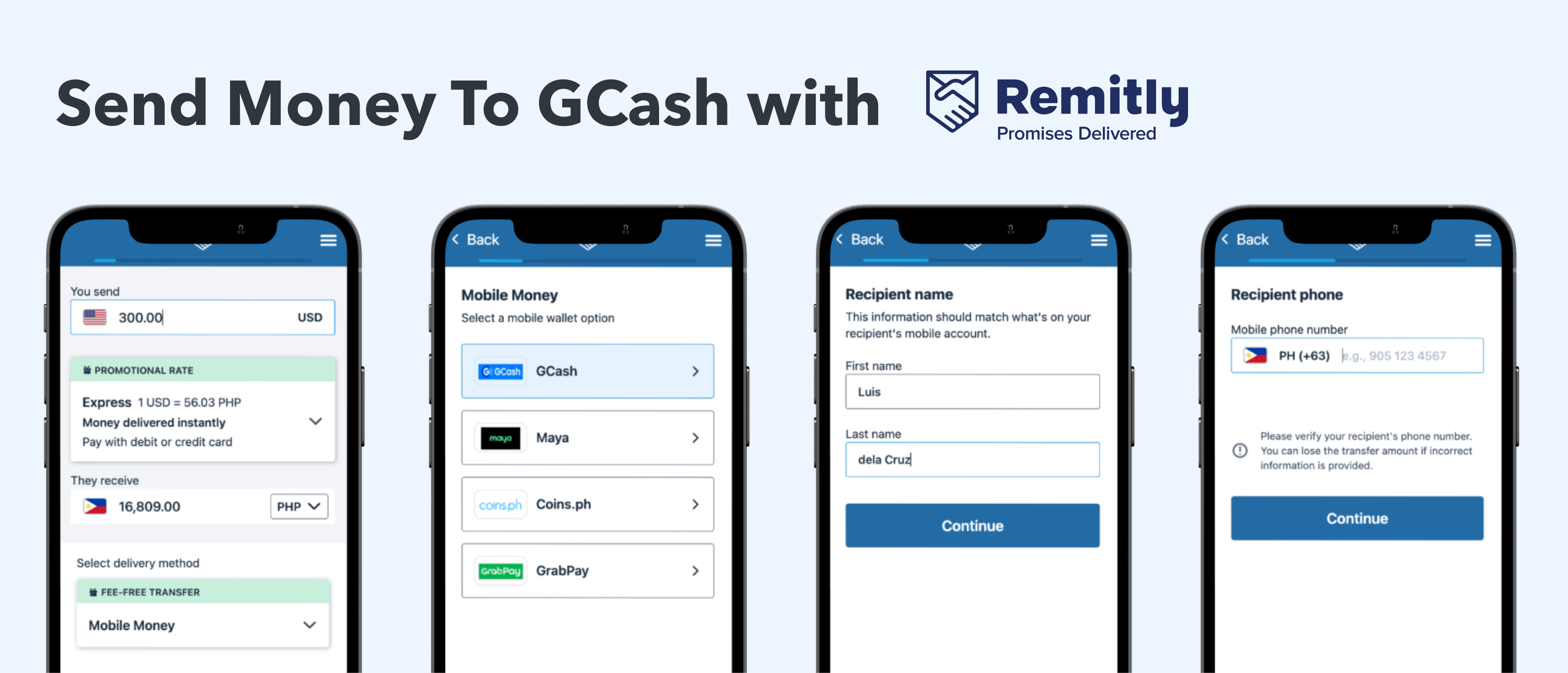
GCash is expanding its international transfer service to help make cross-border payments more accessible to Filipinos, allowing users to send money abroad directly from their GCash wallets.
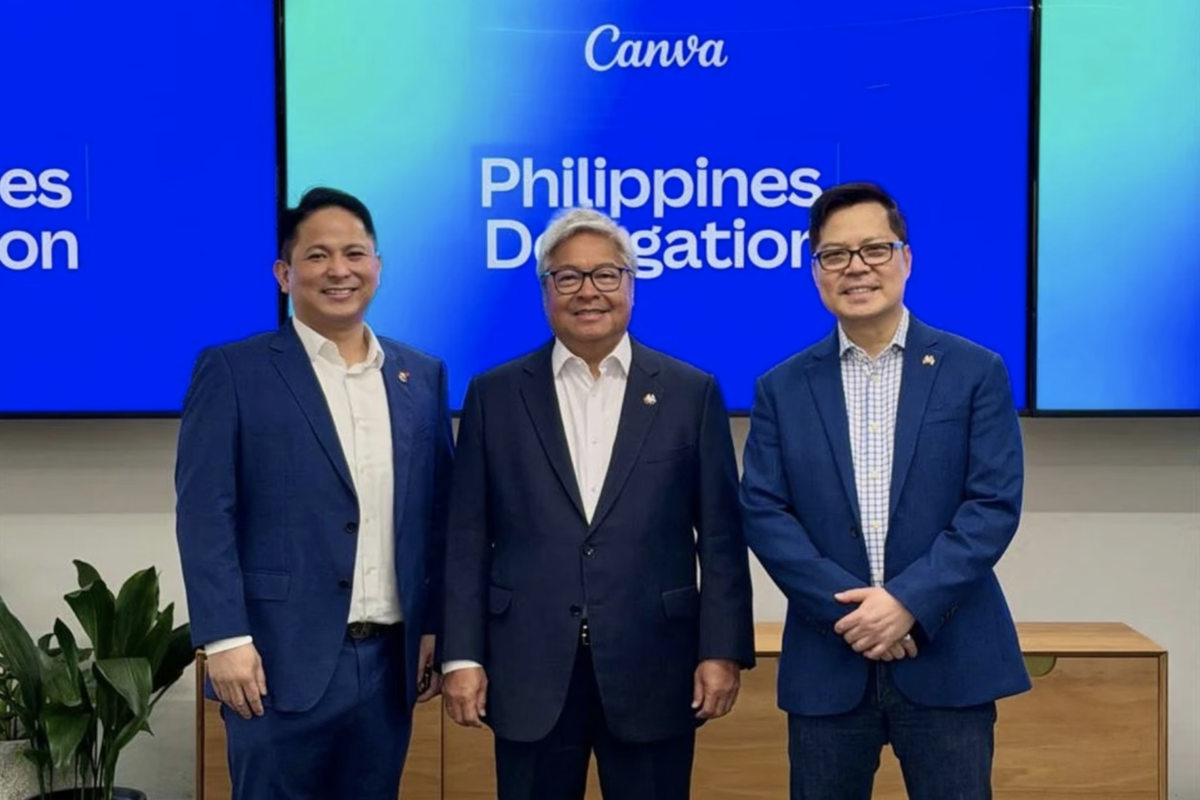
The service was highlighted during the 2026 Philippine Tech Mission to Australia, where Philippine financial leaders discussed ways to make cross-border payments faster, safer, and easier for Filipinos, overseas workers, students, and businesses.
GCash brings international transfers to the e-wallet
Through GCash International Transfers, users in the Philippines can send money directly to overseas bank accounts and e-wallets without having to visit a remittance center or traditional bank.
The service was launched earlier this year and is currently available across 16 countries, including Australia, Canada, China, France, Germany, India, Italy, Japan, Oman, Qatar, Saudi Arabia, Singapore, South Korea, Spain, the United Arab Emirates, and the United States.

Delegates from PH shared the latest payment innovation tools that GCash can explore with its Australian counterparts during the event.
According to GCash, transfers are sent in Philippine pesos while recipients receive funds in their local currency. This removes the need for the sender to manually convert the money before making the transfer.
GCash’s help center currently lists Australia bank transfers as eligible for same-day processing, including weekends and holidays, while processing times vary depending on the destination and receiving channel.
Lower-cost transfers for Filipinos
Cost remains an important consideration for anyone sending money internationally.
GCash said fees for its international transfer service start at ₱180, while users can see the applicable fee and converted amount before confirming a transaction. The platform also provides tracking through the GCash app.
For Filipinos supporting relatives overseas or making occasional international payments, having the ability to initiate a transfer from an existing e-wallet could reduce the friction associated with traditional remittance channels.
GCash also maintains a network of international transfer partners and receiving institutions across multiple markets. Its current list includes banks, e-wallets, payment platforms, and remittance providers in countries where the service operates.
Australia becomes an important corridor
The Australia-Philippines corridor is particularly significant as digital financial connections between the two countries develop.
The 2026 Philippine Tech Mission brought together Philippine and Australian government and private-sector representatives to discuss digital finance, technology, trade, and cross-border financial infrastructure.
GCash’s participation reflects the growing importance of digital payment infrastructure in supporting Filipinos living and working abroad.
The mission highlighted a community of more than 408,000 Overseas Filipinos and 40,000 international students in Australia, many of whom rely on cross-border financial channels.
More than just remittances
The potential use of GCash International Transfers extends beyond sending money to family members.
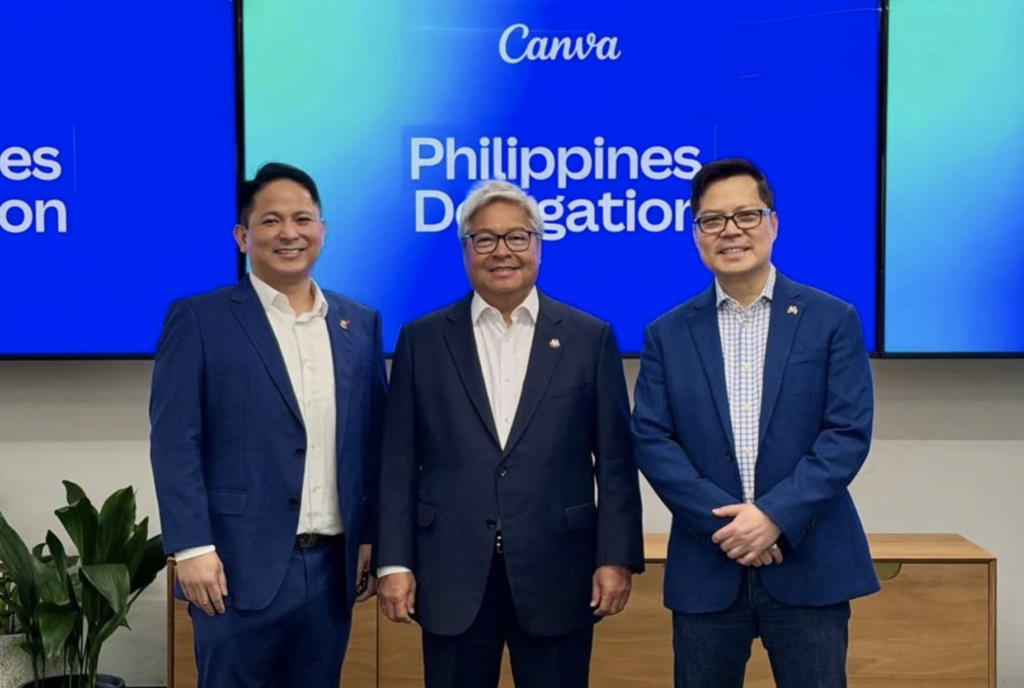
From left: G-Xchange Inc. President and CEO Ren-ren Reyes, BSP Deputy Governor Mamerto Tangonan and RCBC Executive Vice President Lito Villanueva.
The service can also support small businesses that purchase goods and services from suppliers abroad. Instead of navigating a separate international payment process, businesses can use a digital channel to settle certain overseas transactions.
The broader push is also looking at emerging technologies such as blockchain and stablecoins, which could eventually improve the speed and cost efficiency of international payments. Artificial intelligence could also play a role in areas such as currency conversion and risk assessment.
The bigger shift in cross-border payments
The expansion of GCash International Transfers reflects a broader shift in how Filipinos access financial services.
International money transfers have traditionally involved banks, remittance centers, exchange services, and multiple steps before money reaches its destination. Digital wallets are increasingly bringing some of those functions into a single mobile platform.
For users, the biggest change is convenience. They can initiate an international transfer from the same digital environment they already use for domestic payments and other financial transactions.
As cross-border payment infrastructure continues to develop, the goal is no longer simply to move money from one country to another. It is to make international transactions feel almost as straightforward as sending money locally.