
4Ps transaction fees could be removed from government cash assistance after a House panel approved a measure that would shift the cost of electronic transfers and withdrawals away from beneficiaries and onto the government.
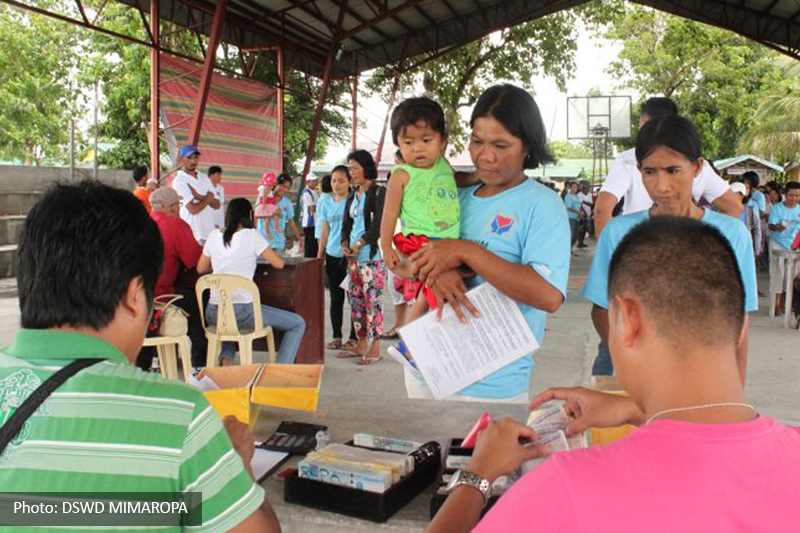
The House Committee on Poverty Alleviation on Tuesday, August 25, approved the committee report on a proposal seeking to waive fees imposed by financial institutions when government cash aid is transferred electronically.
Under the arrangement highlighted by the House of Representatives, the Department of Social Welfare and Development (DSWD) would shoulder the cost instead of allowing the charges to be deducted from benefits received by families under the Pantawid Pamilyang Pilipino Program (4Ps).
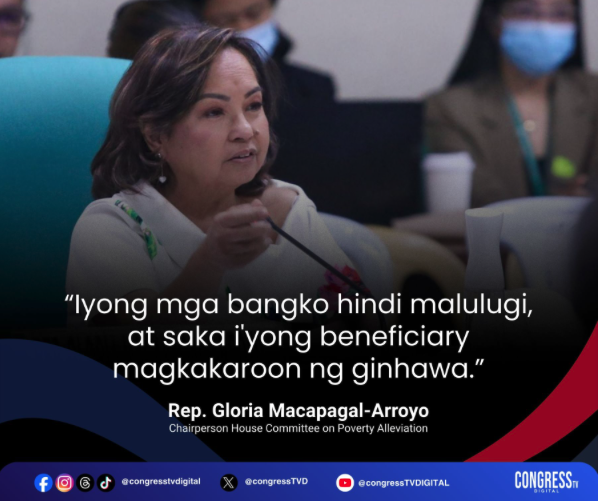
The committee is chaired by Pampanga Rep. Gloria Macapagal-Arroyo.
Cash aid without deductions
The proposal stems from House Bill No. 2753, filed by Nueva Ecija Rep. Julius Cesar “Jay” Vergara. As filed, the bill seeks to waive transfer and transaction fees imposed on electronic disbursements involving government financial or cash aid programs for indigent Filipinos.
The question of who would absorb those charges became a key issue during technical working group discussions, according to the House.
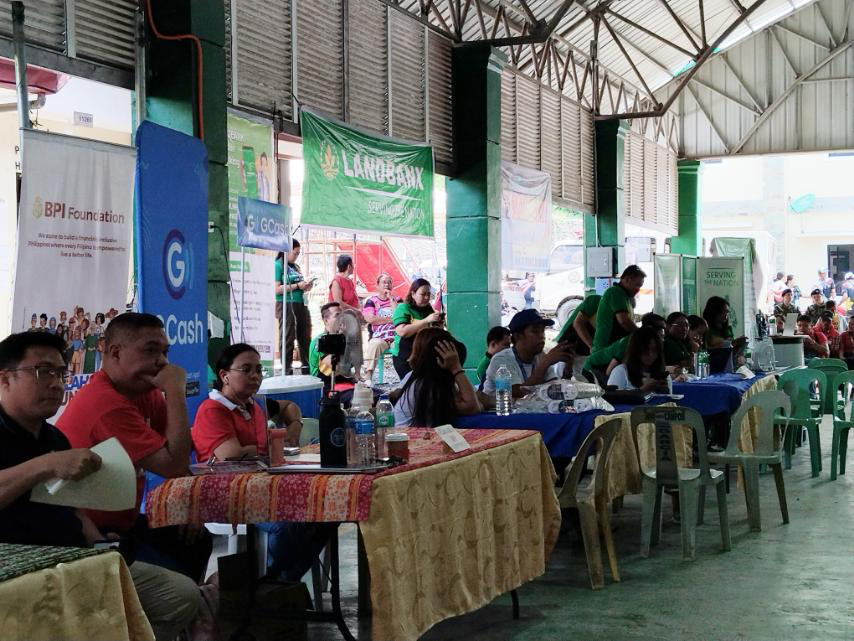
Making DSWD shoulder the fees would effectively protect the intended value of the cash benefit received by households. Even relatively small charges become more significant when deducted from assistance intended for food, education, healthcare and other essential household expenses.
The proposal comes as government agencies increasingly move social assistance onto digital payment channels.
DSWD, for instance, has been expanding its e-Panalo digital financial inclusion initiative, which gives 4Ps beneficiaries more ways to receive grants digitally. In areas with limited access to bank branches, the agency has also been promoting electronic wallets as an alternative way of receiving benefits.
Government aid is different from a regular transfer
The measure also draws a clearer line between fees charged for ordinary consumer transactions and those attached to government assistance.
Banks and e-wallets typically charge varying amounts for services such as InstaPay transfers and other electronic transactions. The Bangko Sentral ng Pilipinas maintains a comparison of digital transfer fees charged by supervised financial institutions, with some providers offering zero-fee transfers and others charging customers depending on the channel.
But 4Ps payments are not ordinary person-to-person transfers. Beneficiaries are receiving funds specifically appropriated for social protection, making transaction costs particularly sensitive when they reduce the amount that ultimately reaches the household.
The committee’s approval does not yet make the waiver law. The measure must still advance through the legislative process before any nationwide requirement takes effect.
If enacted, however, it would mean digitalization does not come at the expense of the people government cash assistance is intended to support.