
The Philippines may have moved into a higher income bracket, but for many Filipinos, the economic gains have yet to translate into a stronger sense of financial security.
That is one of the key findings of the 2026 Filipino Financial Confidence Report (FFCR), commissioned by FWD Life Insurance Philippines and conducted by Ipsos, which found that 74% of middle-income Filipinos consider rising everyday expenses their biggest financial concern.
The findings come at a time when the country is navigating two seemingly contrasting economic realities: the Philippines is moving up in global income classifications while households continue to contend with elevated prices and financial pressures.
The Philippine economy grew by 2.3% year-on-year in the second quarter of 2026, according to the Philippine Statistics Authority (PSA), following 2.8% growth in the first quarter. The second-quarter expansion was slower than the 5.4% growth recorded in the same quarter a year earlier.
At the same time, the World Bank said the Philippines entered the upper-middle-income category effective July 1, 2026, based on its 2025 Atlas gross national income per capita of about $4,850. The milestone followed years of economic expansion, but the World Bank also warned that sustaining the gains would require reforms that promote more inclusive growth, better jobs, and continued poverty reduction.
For Filipinos, however, economic progress is being experienced against the backdrop of higher living costs.
Inflation averaged 4.8% in the first half of 2026, with the World Bank noting that rising global energy prices contributed to inflationary pressures and weighed on consumption and jobs.
That helps put the FFCR findings into context.
Rising costs squeeze long-term plans
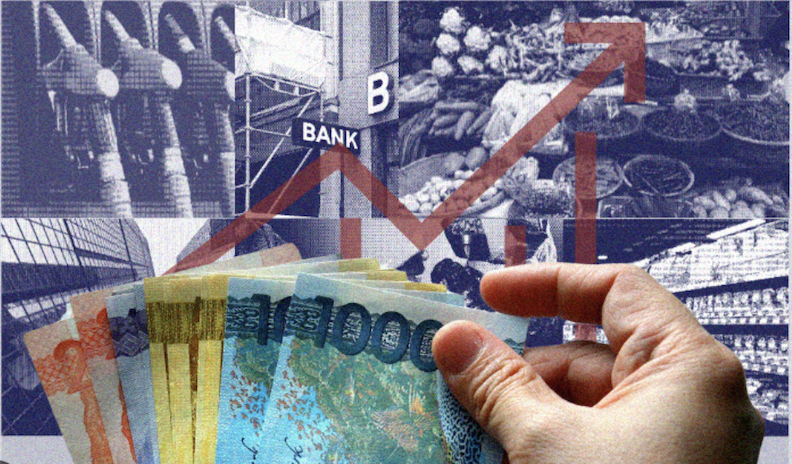
IMAGE CREDIT: Magnific
For many Filipino families, higher everyday expenses can mean making difficult choices between meeting current needs and preparing for the future.
The FFCR found that only 56% of respondents currently consider securing their family’s long-term financial future a priority, while just 52% are actively building an emergency fund.
The numbers are even lower when it comes to some longer-term financial goals. Only 45% of respondents said they are working toward financial independence, while another 45% are saving for their children’s education.
The findings suggest that financial pressures today may be competing with the ability to prepare for tomorrow — whether that means postponing major purchases, putting less money into emergency savings, or delaying plans for a child’s education.
This creates a gap between economic progress at the national level and financial confidence at the household level.
“The Philippines’ transition to upper-middle-income status is a significant achievement, but it also raises the bar for how we define progress,” said FWD President and Chief Executive Officer Soon Liang Lau.
“Economic growth creates opportunities, but real progress is measured by whether people feel equipped to take advantage of them. Financial confidence means having the ability to navigate rising costs, prepare for life’s uncertainties, and still move forward toward important goals,” Lau said.
“As the country advances, helping more Filipinos build that confidence will be just as important as growing the economy itself,” he added.
Beyond income, a question of preparedness
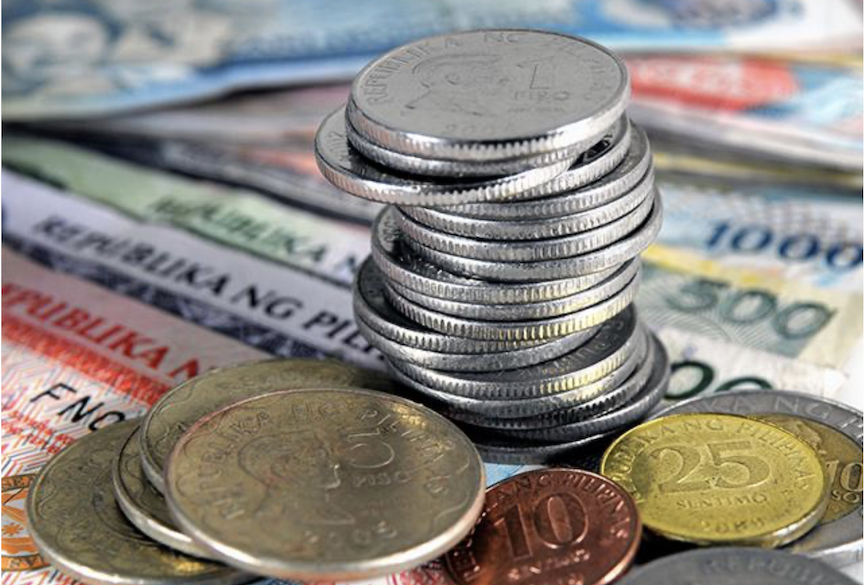
IMAGE CREDIT: BSP
The report’s findings point to a broader definition of financial confidence.
While income remains an important factor in a household’s ability to cope with rising prices, confidence is also influenced by whether people feel prepared for unexpected expenses, future responsibilities, and major life goals.
That distinction is becoming increasingly relevant as the Philippines moves into a new phase of economic development.
The World Bank has described the country’s upper-middle-income status as an important milestone, but has also emphasized the need to sustain growth while ensuring that its benefits are more widely shared.
For households, that means the question is not simply whether the economy is growing, but whether they have enough financial resilience to participate in that growth.
“Financial confidence is not about being wealthy,” Lau said. “It’s about feeling prepared. It comes from knowing you can manage today’s responsibilities while continuing to make meaningful progress toward your future goals.”
What progress feels like at home
COMPOSITE IMAGE: FintechNewsPH
The contrast between the country’s economic milestones and household concerns raises a more fundamental question about how progress should be measured.
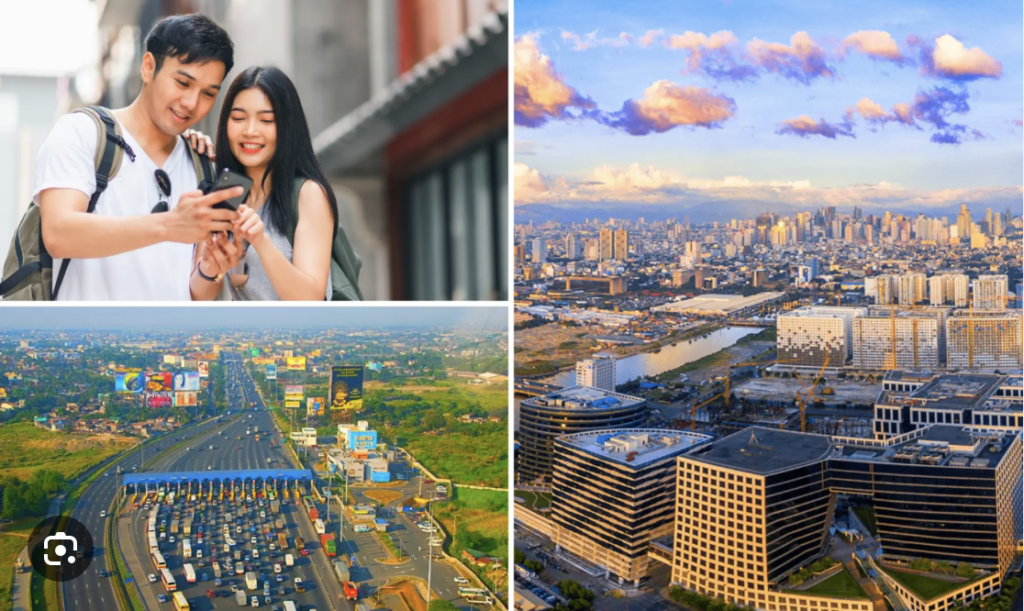
A higher income classification can signal that an economy has reached a new level of development. But for ordinary households, progress can feel much more immediate: being able to pay the bills without sacrificing savings, having enough set aside for an emergency, or being confident that a child’s education can be funded.
The FFCR findings suggest that many Filipinos are still working toward that level of security.
As the Philippines continues to pursue stronger and more inclusive growth, financial confidence could therefore become an important part of the conversation — not as a replacement for economic indicators, but as another way of understanding whether those gains are reaching households.
Ultimately, the country’s economic milestones tell only part of the story.
The bigger measure of progress may be whether more Filipinos feel financially prepared to move forward with the economy. Read the full Filipino Financial Confidence Report 2026 here.