
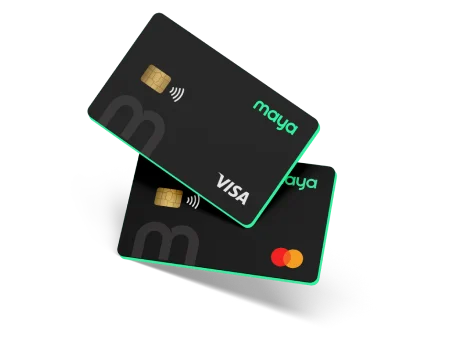
Maya is moving to reduce virgin plastic in its prepaid cards, with the fintech firm targeting 100% recycled plastic for all newly produced cards by the end of 2026.
The move forms part of the fintech firm’s efforts to reduce its reliance on virgin materials as digital payments continue to become more common among Filipino consumers.
Rather than changing how customers use their cards, the initiative focuses on what goes into producing them in the first place.
Turning old plastic into new payment cards
Payment cards may be small, but their production still relies heavily on plastic materials.
By shifting newly produced prepaid cards toward recycled plastic, Maya aims to reduce its use of newly manufactured virgin plastic.
The initiative reflects a broader shift in the financial services industry, where sustainability is increasingly being considered alongside digital convenience.
For Maya, the move adds an environmental dimension to a product primarily associated with cashless payments and digital finance.
The company plans to complete the transition to recycled-plastic prepaid cards by the end of 2026.
A different kind of fintech innovation
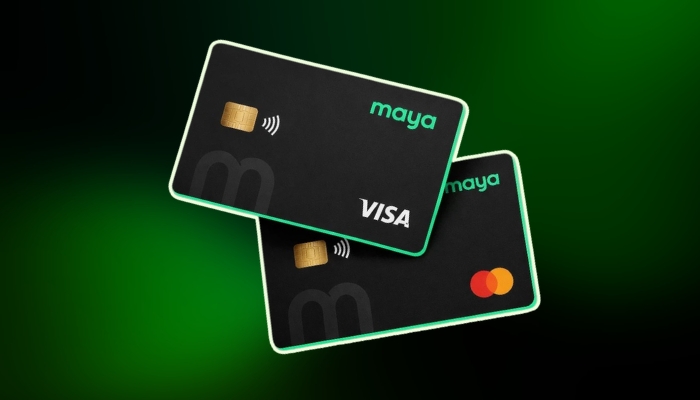
The shift also highlights how fintech innovation is moving beyond apps, digital wallets, and faster transactions. As more Filipinos adopt cashless payments, the physical components supporting digital finance are also coming under greater scrutiny.
Maya’s planned transition suggests that sustainability can be incorporated into even everyday financial products, including the cards consumers use for daily purchases.
The move comes as financial institutions and fintech companies increasingly look for ways to reduce the environmental footprint of their operations — from paperless banking and digital transactions to more sustainable physical products.
What the shift means for Maya users
For customers, the transition is expected to be largely behind the scenes. The change concerns the material used to manufacture newly produced prepaid cards rather than the core payment functionality of the cards.
Customers will continue to use their cards for eligible transactions while Maya works toward its year-end 2026 target.
The initiative also reflects a growing expectation that digital financial services should consider not only convenience and accessibility, but also their impact beyond the screen.
As the Philippine payments market becomes increasingly digital, moves like Maya’s recycled-plastic card initiative show how fintech companies are beginning to rethink the physical products that remain part of a largely digital financial ecosystem.