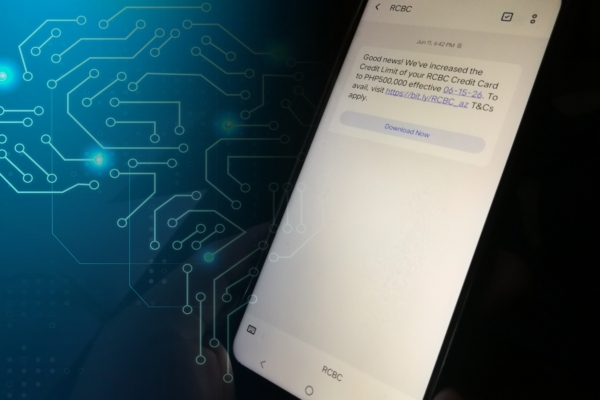

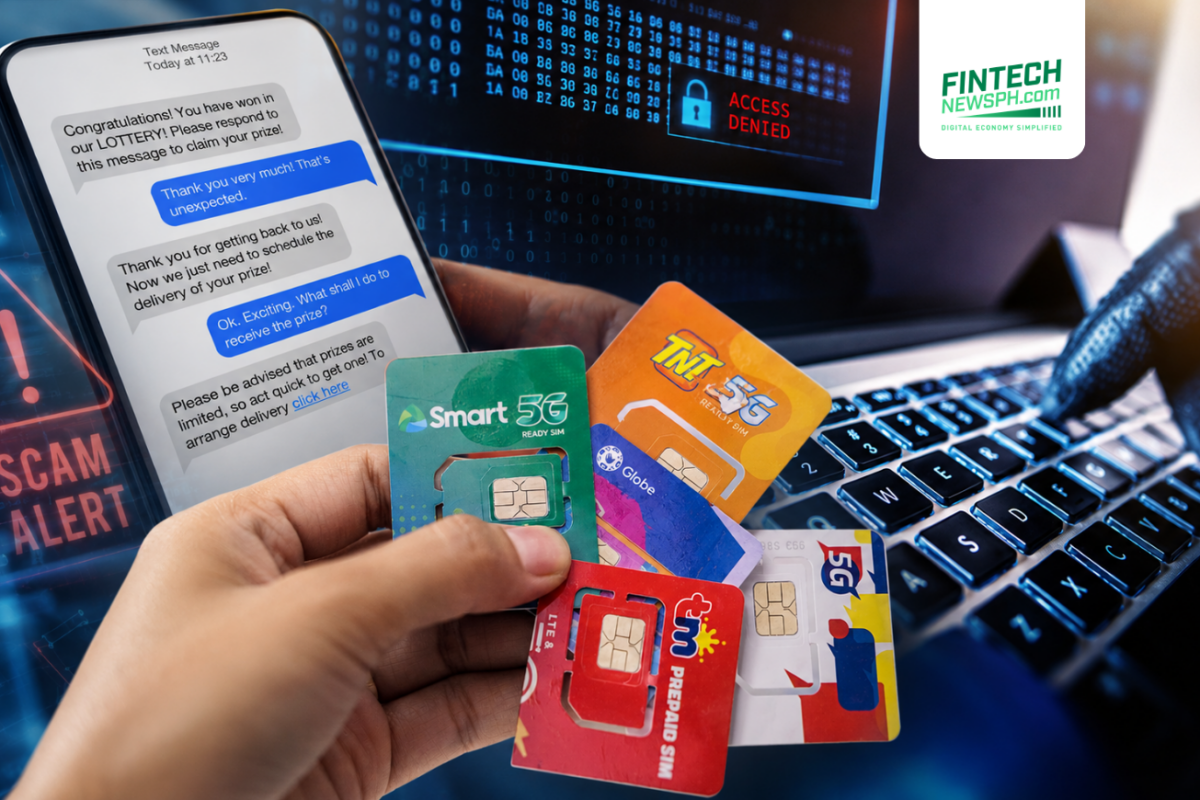
The promise behind the Philippines’ SIM Registration Act was straightforward: make mobile numbers traceable, discourage anonymous fraud, and reduce text scams.
While the measure has helped improve accountability, it has not eliminated digital fraud. Scam messages, phishing links, fake investment schemes, and account takeovers continue to affect Filipinos despite mandatory SIM registration.

The reality is that SIM registration digital scams remain a challenge despite SIM registration because cybercriminals have adapted their tactics.
Instead of relying solely on anonymous prepaid numbers, fraudsters are now exploiting social engineering, compromised accounts, and emerging technologies to target unsuspecting victims.
Why SIM registration was never a complete solution
SIM registration was designed to make it harder for criminals to acquire anonymous mobile numbers. By requiring users to register their identities, authorities gained a stronger foundation for investigating fraudulent activities.
However, registration primarily addresses identity verification — not cybercrime itself.
Scammers can still use registered SIM cards obtained through identity theft, recruit individuals to register SIMs on their behalf, or compromise legitimate accounts through phishing and malware. In many cases, the mobile number itself is no longer the weakest point in the attack.
This explains why scam attempts continue even after millions of SIM cards have been registered nationwide.
Scammers are changing their tactics
Today’s fraud schemes extend far beyond text messages.
Phishing websites imitate banks, e-wallets, and government agencies to steal login credentials.
Fake loan applications collect personal information before harassing victims. QR code scams redirect users to fraudulent payment pages, while SIM swap attacks allow criminals to intercept one-time passwords (OTPs) and gain access to financial accounts.
Artificial intelligence has also made scams more convincing. AI-generated emails, chat messages, and even voice impersonations can closely resemble legitimate communications from financial institutions, making fraudulent requests harder to identify. Rather than disappearing, cyber threats have evolved alongside digital technologies.
What additional safeguards are needed?
Reducing digital scams requires multiple layers of protection beyond SIM registration.

Financial institutions are increasingly adopting biometric authentication, device binding, behavioral analytics, and real-time fraud monitoring to detect suspicious transactions before losses occur. Some banks have also begun reducing their reliance on SMS-based one-time passwords in favor of more secure in-app authentication methods.
Telecommunications companies continue improving spam filtering and blocking known scam numbers, while regulators have strengthened collaboration to identify fraudulent online activities more quickly.
For consumers, practicing good cyber hygiene remains equally important. Verifying website addresses, avoiding suspicious links, enabling multi-factor authentication, and regularly updating passwords can significantly reduce the risk of becoming a victim.
Building a stronger digital defense
The fight against digital scams cannot rely on a single policy or technology. Effective cybersecurity depends on cooperation between government agencies, telecommunications providers, financial institutions, technology companies, and consumers.
As digital payments, online banking, and e-commerce continue to expand, fraud prevention must evolve at the same pace. Stronger identity verification, smarter fraud detection systems, and continuous public awareness campaigns will all play an essential role in protecting Filipinos from increasingly sophisticated cyber threats.
Beyond SIM registration
SIM registration remains an important tool for improving accountability, but it should be viewed as only one piece of a broader cybersecurity strategy.
Criminals will continue adapting as technology evolves, making it essential for both institutions and consumers to remain vigilant.
Ultimately, the most effective defense against digital scams relies on continuous technological innovation, proactive regulation, and informed consumers.