

Philippine Seven Corporation, the exclusive licensor of 7-Eleven in the Philippines, is expanding its digital payment capabilities as it invests in technology, store modernization, and a broader digital platform for its nationwide retail network.
At its 2026 Annual Stockholders’ Meeting, the company said cashless payment acceptance had reached more than 4,000 stores by the end of May 2026. This was a sharp increase from just over 1,000 stores at the end of 2025.
Customers can now use credit cards, debit cards, QR Ph, e-wallets, and other cashless payment methods at participating branches. Company officials said the long-term goal is to bring digital payment acceptance to the entire network, including newly opened stores.
Digital payments become part of a wider platform
During the media briefing, Philippine Seven executives said digital payments now account for around 12 percent of company sales. They added that payment acceptance is already available across most of the store network, although the company continues to address gaps in coverage and the checkout experience.

The rollout follows earlier challenges in accommodating different payment methods. Some transactions previously required customers to generate barcodes before paying at the point of sale, while newer systems allow customers to scan or present their preferred payment option more directly.
The company said it has been working with payment partners to make both payment methods more reliable and seamless. Its broader payment infrastructure is also being prepared to support additional cards, digital wallets, and emerging payment platforms.
Philippine Seven said its digital strategy extends beyond checkout.
Executives added that the company plans to continue developing a platform that could bring together digital payments, automated teller machines, customer relationship management tools, and other services connected to its physical store network.
As the company collects more customer and transaction data, it also plans to strengthen its privacy controls. During the briefing, management said it intends to appoint an officer responsible for overseeing data privacy as digital services expand.
Record sales support technology investments
Philippine Seven reported record system-wide sales of ₱99.4 billion in 2025, up 6.4 percent from ₱93.5 billion a year earlier. Revenue increased 7.2 percent to ₱95.1 billion, while net income remained at ₱3.6 billion.
The company ended 2025 with 4,491 stores nationwide, up from 4,130 a year earlier. It said its investments would continue to focus on store modernization, technology, supply chain capabilities, and operational efficiency.
Richard Lee, who assumed the presidency of Philippine Seven in July 2025, said the company’s priority is to open the right stores while scaling the digital and payment systems developed over the past year.
The company has also maintained its planned capital expenditure for 2026. Executives said the budget would largely support store openings and related infrastructure, with no immediate revisions following recent economic developments.
Management expects to open around 500 stores during the year, although the pace of expansion will depend on site development, logistics, and the company’s ability to serve new locations consistently.
Physical stores remain central in an AI-driven market
Philippine Seven Chairman Jose Victor Paterno said the company remains optimistic about convenience retail despite growing competition and changing customer behavior.
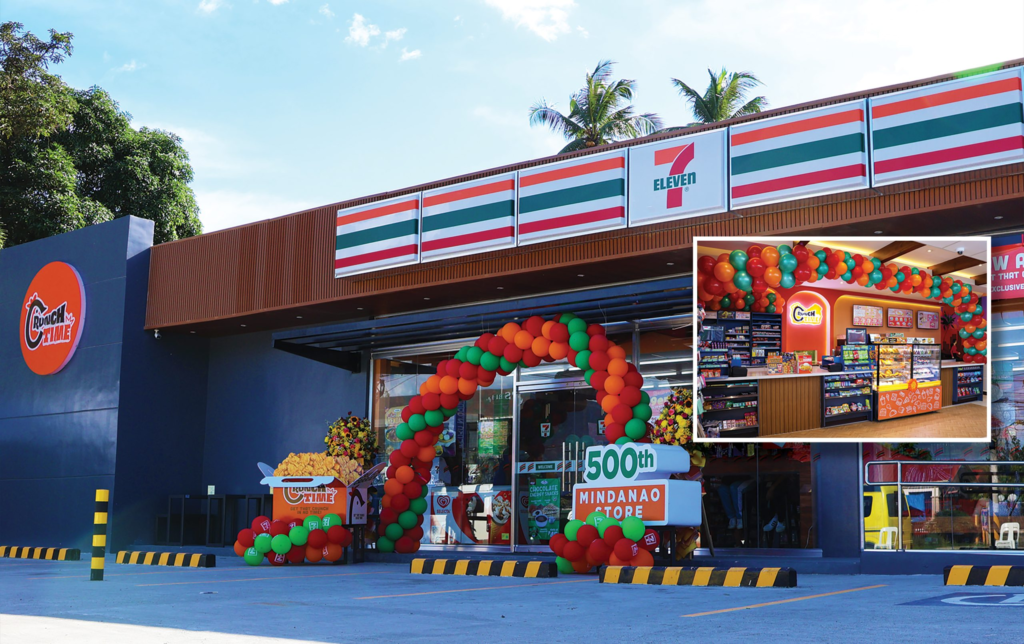
He said stores built around proximity and accessibility may be among the last retail formats to be significantly disrupted by artificial intelligence. Instead, physical convenience stores could increasingly become the point where digital services and in-person transactions converge.
This view helps explain why Philippine Seven is investing in both technology and physical expansion. Digital payments can shorten checkout times and offer customers more payment choices, while the company’s stores provide a nationwide distribution and service network that purely digital platforms do not have.
However, expanding into more islands and provincial areas remains dependent on logistics. Executives said new markets must have enough demand to support distribution operations, particularly in areas where weather disruptions can affect deliveries.
For customers, the next phase of 7-Eleven’s digital transformation could mean wider cashless payment coverage, more consistent checkout options, and additional services inside the company’s app and physical stores.
The company’s challenge will be to connect these services without adding friction. With more than 4,000 stores already accepting cashless payments, 7-Eleven is positioning its nationwide network as both a neighborhood convenience store and an increasingly important digital financial touchpoint.