
The rapid expansion of the digital economy in the Philippines has brought greater convenience to consumers — but also a growing wave of cybercrime that experts now describe as a “scam economy.”
Where banks once primarily dealt with physical threats such as robberies and break-ins, financial institutions today face a more complex battlefield: cyber criminals and fraudsters operating online, often invisible and harder to trace.
This shift has raised concerns about losing trust in digital financial services, including e-wallets and digital banks, with consumers losing confidence and trust in e-wallets and digital banks.
At various points, users of platforms such as GCash have reported unauthorized deductions and account-related issues, highlighting ongoing vulnerabilities in the system.
The Philippines has also been identified as one of the more exposed markets globally. In 2024, it ranked second in suspected digital fraud rates, behind India and ahead of the Dominican Republic, underscoring the scale of the problem.
Phishing remains the most common entry point
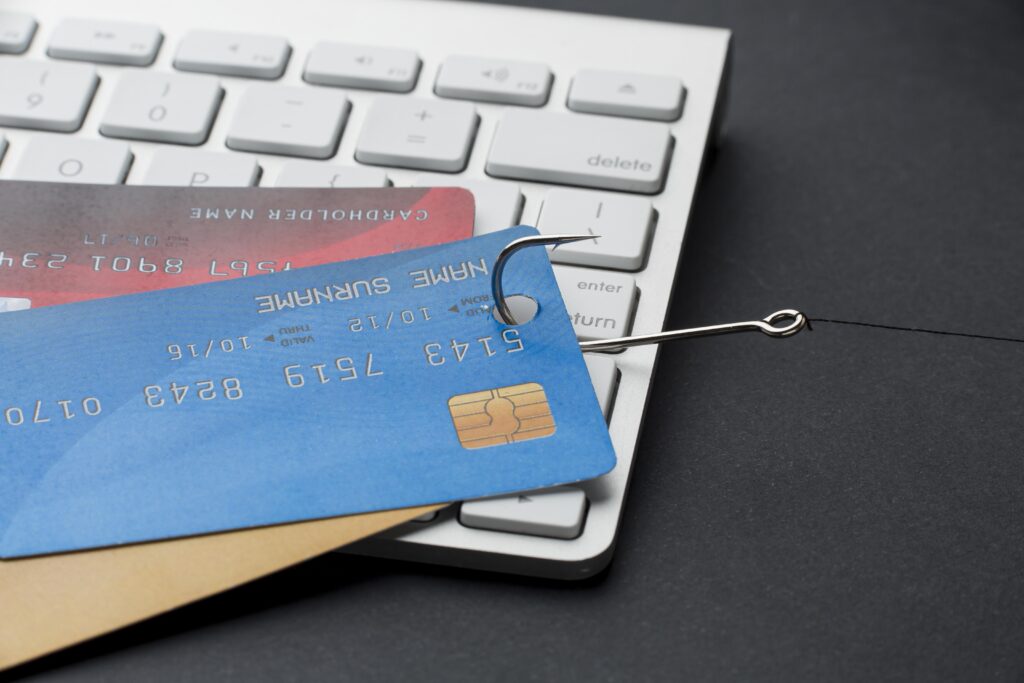
One of the most widespread threats is phishing, where attackers impersonate legitimate institutions through emails, messages, or fake websites to steal sensitive information such as passwords and financial details.
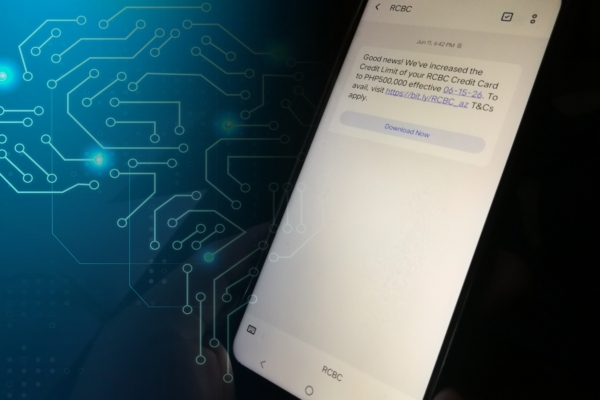
Far from being limited to email, phishing campaigns now span SMS (smishing), phone calls, and social media platforms, making it the fastest-growing digital threat in the Philippines.
According to the Whoscall 2025 Philippines Scam Report, risky URLs surged from 13,602 to 49,431 in just one year, reflecting the growing sophistication and scale of these attacks.
Account takeovers fuel financial losses
Closely linked to phishing is account takeover (ATO), where cybercriminals gain unauthorized access to digital accounts and use them for fraudulent transactions.
Attackers typically rely on stolen credentials, SIM swapping, and data leaks to break into accounts. Once inside, they can transfer funds, change account details, or lock out legitimate users.
Experts note that the Philippines remains a prime target due to high reliance on e-wallets, inconsistent password practices, and gaps in cybersecurity awareness among users.
Social engineering tactics grow more sophisticated
Beyond technical attacks, scammers are increasingly relying on psychological manipulation through social engineering tactics.
These include:
- Whaling, which targets high-profile individuals through highly personalized scams
- Baiting, which lures victims with fake offers or promotions to trigger downloads or data leaks
- Business email compromise (BEC), where attackers impersonate executives to authorize fraudulent transactions
- Quid pro quo schemes, where scammers pose as IT support in exchange for sensitive information
- Honeytrap scams, which target individuals on dating platforms to exploit emotional trust for financial gain
Unlike purely technical hacks, these methods exploit human behavior, making them harder to detect and prevent.
Strengthening defenses against the scam economy

While cyber threats continue to evolve, the Philippines has also expanded its legal and regulatory response to cybercrime over the past two decades.
However, experts stress that prevention cannot rely on institutions alone.
Users are encouraged to adopt best practices in cybersecurity, regular PIN changes, and enabling multi-factor authentication for financial accounts. It is also a good practice to use different strong and unique passwords or passcodes. For example, GCash recommends users to change their Mobile PIN (MPIN) every three months and to avoid easy to guess MPINs.
Secure Wi-Fi usage, vigilance against suspicious links, and awareness of scam tactics are also seen as critical defenses.
Financial institutions, meanwhile, are investing in stronger cybersecurity infrastructure, including firewalls, real-time monitoring systems, and continuous software updates to protect users.
As the digital economy continues to grow, stakeholders warn that the challenge is not only technological — but behavioral. Building trust in digital finance, they say, will require sustained cooperation between regulators, institutions, and users to keep pace with an increasingly sophisticated scam economy.