As digital payments, e-commerce, and app-based services become increasingly embedded in everyday life, affordable internet access is emerging as a critical part of financial inclusion in the Philippines.
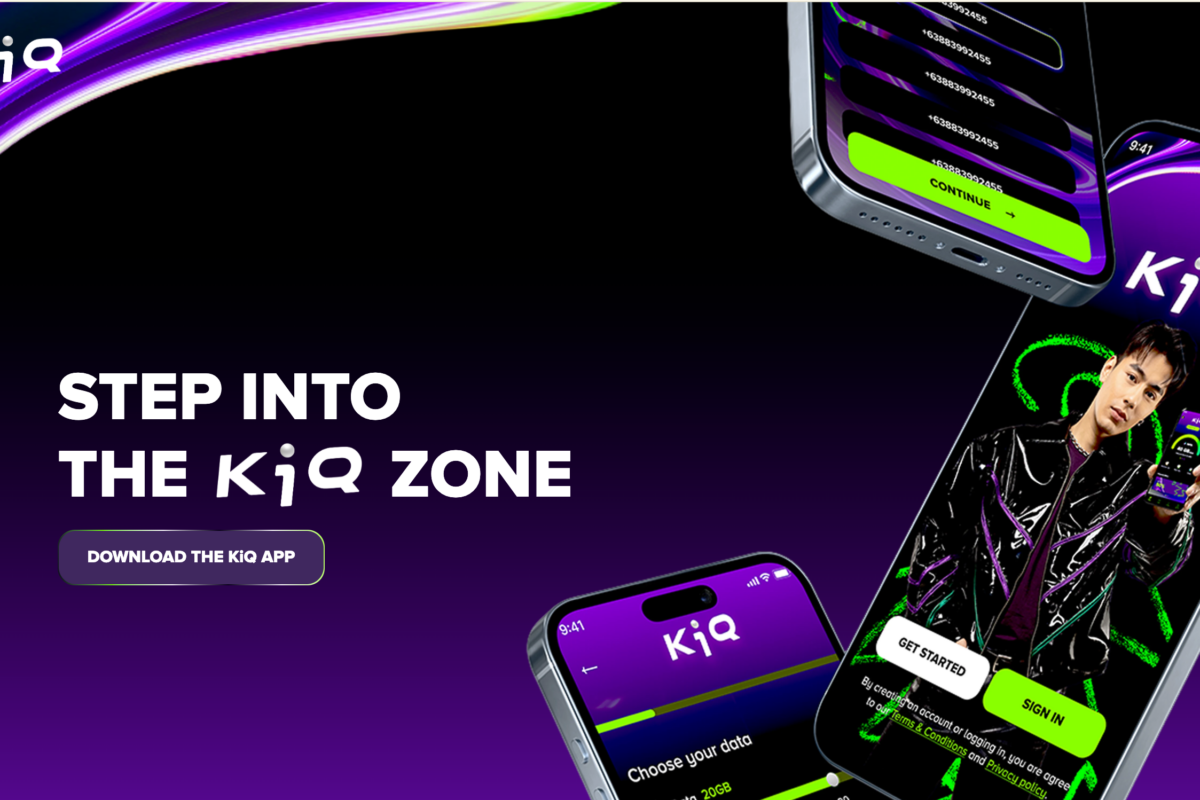
Against this backdrop, KiQ is expanding its push into the country’s highly competitive prepaid mobile market by launching more flexible unlimited data offers alongside the nationwide rollout of its new Physical SIM.
The move reflects how connectivity is becoming more closely tied to participation in the broader digital economy, where Filipinos increasingly rely on smartphones not only for communication and entertainment, but also for mobile banking, e-wallet transactions, online selling, gig work, and digital livelihoods.
Flexible data plans target digitally active Filipinos

IMAGE CREDIT: KiQ
KiQ is positioning itself as a more customizable alternative for Filipino users seeking affordable connectivity options that can adapt to different budgets and online behaviors.
Under the updated offering, subscribers can access Unli Data packages for as low as ₱50 for one day, or upgrade to include Unli Calls and Texts for just ₱55.
Multi-day options are also available, including three-day Unli Data plans priced at ₱90 or ₱105 with calls and texts included.
For heavier users — including online sellers, content creators, freelancers, and digitally connected workers — KiQ is offering seven-day Unli Data for ₱200, or ₱235 bundled with unlimited calls and texts.
Longer-term users, meanwhile, can subscribe to 28-day Unli Data packages for ₱800, or ₱940 with full communication features included.
The expanded offers come as demand continues to grow for affordable mobile connectivity amid rising dependence on digital platforms across the Philippine economy.
Connectivity increasingly linked to digital finance access
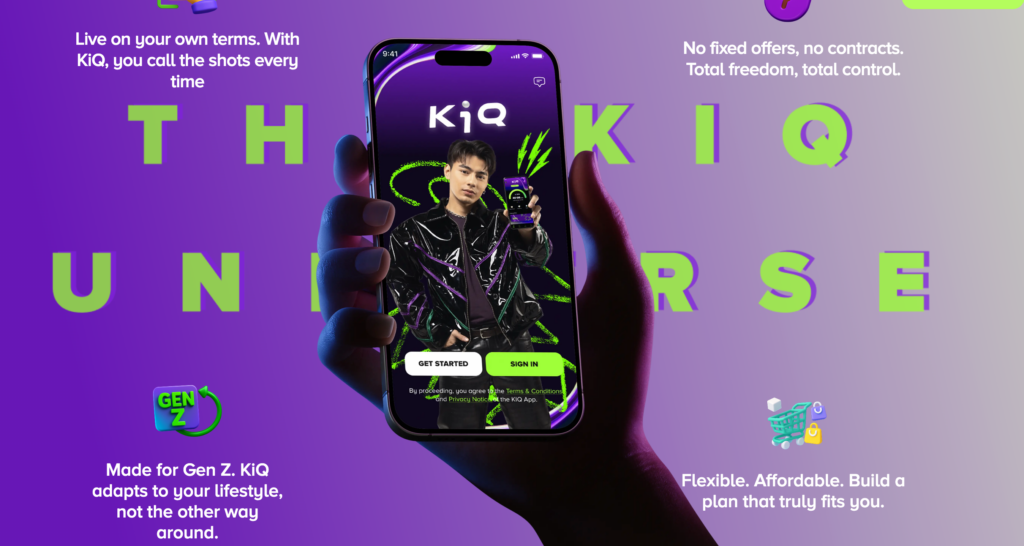
IMAGE CREDIT: KiQ
Industry observers have increasingly viewed internet access as foundational digital infrastructure supporting the growth of financial technology adoption in the Philippines.
From QR payments and mobile wallets to digital banks and online marketplaces, many financial services now depend heavily on stable and affordable mobile data access.
KiQ’s latest offerings arrive at a time when more Filipinos are using smartphones to manage everyday financial activities, including fund transfers, online purchases, savings, lending, and side-hustle income generation.
A key feature of the updated offering is KiQ’s app-based customization system, which allows users to adjust promo inclusions and validity periods through an interactive slider within the app.
The feature aims to simplify mobile plan selection while giving users greater control over connectivity expenses — an increasingly important factor for budget-conscious consumers navigating inflation and rising digital spending.
According to Lloyd R. Manaloto, flexibility and accessibility remain central to the platform’s strategy.
“KiQ is designed to be the easiest way for Filipinos to enjoy unlimited data. By combining affordability, flexibility, and a highly intuitive app experience, we’re empowering users to stay connected on their own terms,” Manaloto said.
Physical SIM rollout expands access to digital services
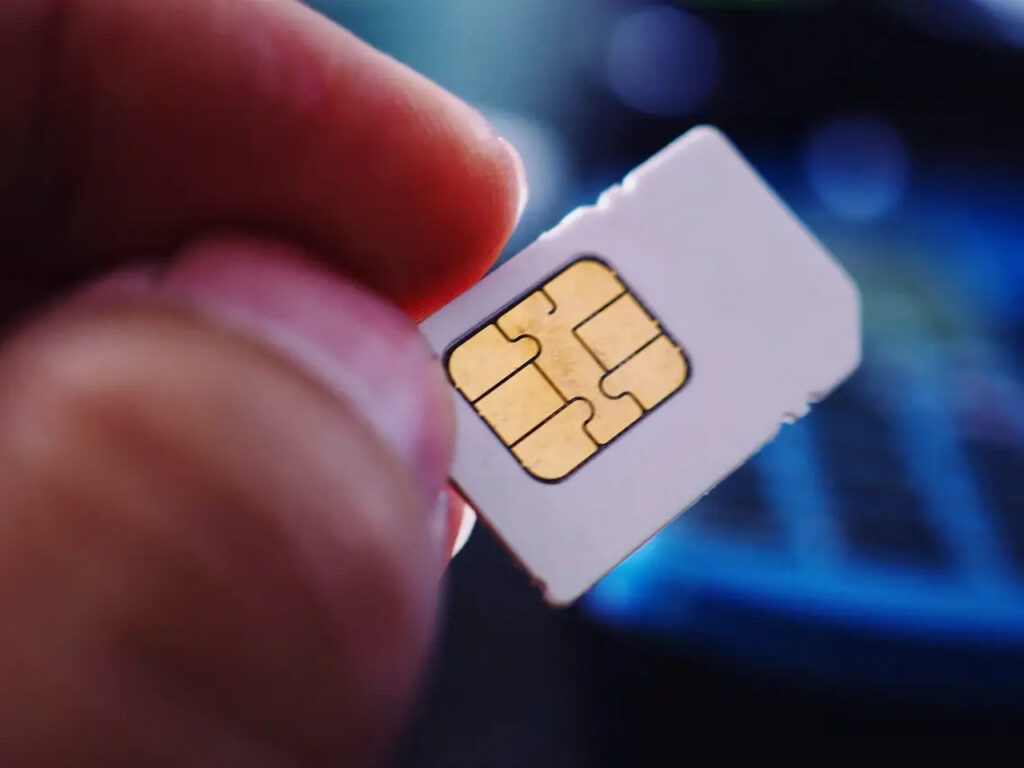
IMAGE CREDIT: Freepik
To widen accessibility, KiQ has also launched its Physical SIM, now available in Smart Stores and accredited retailers nationwide.
The rollout allows users across a wider range of smartphones and devices to access KiQ’s services, including consumers who may still prefer traditional SIM setups over fully digital onboarding.
Subscribers can also order the Physical SIM directly through the KiQ app for doorstep delivery.
As part of the launch, new users will receive 25GB of free data upon activation, which can support everything from video streaming and social media use to online selling and mobile financial transactions. To learn more, visit https://kiq.com.ph/.
The expansion reflects broader competition within the Philippine telecommunications sector, where providers are increasingly focusing on app-driven experiences, flexible subscription models, and digital-first engagement strategies to attract younger and mobile-centric consumers.
As the country’s digital economy continues to expand, platforms offering affordable and customizable connectivity solutions are expected to play a growing role in helping Filipinos stay connected to digital opportunities, financial services, and online income streams.