

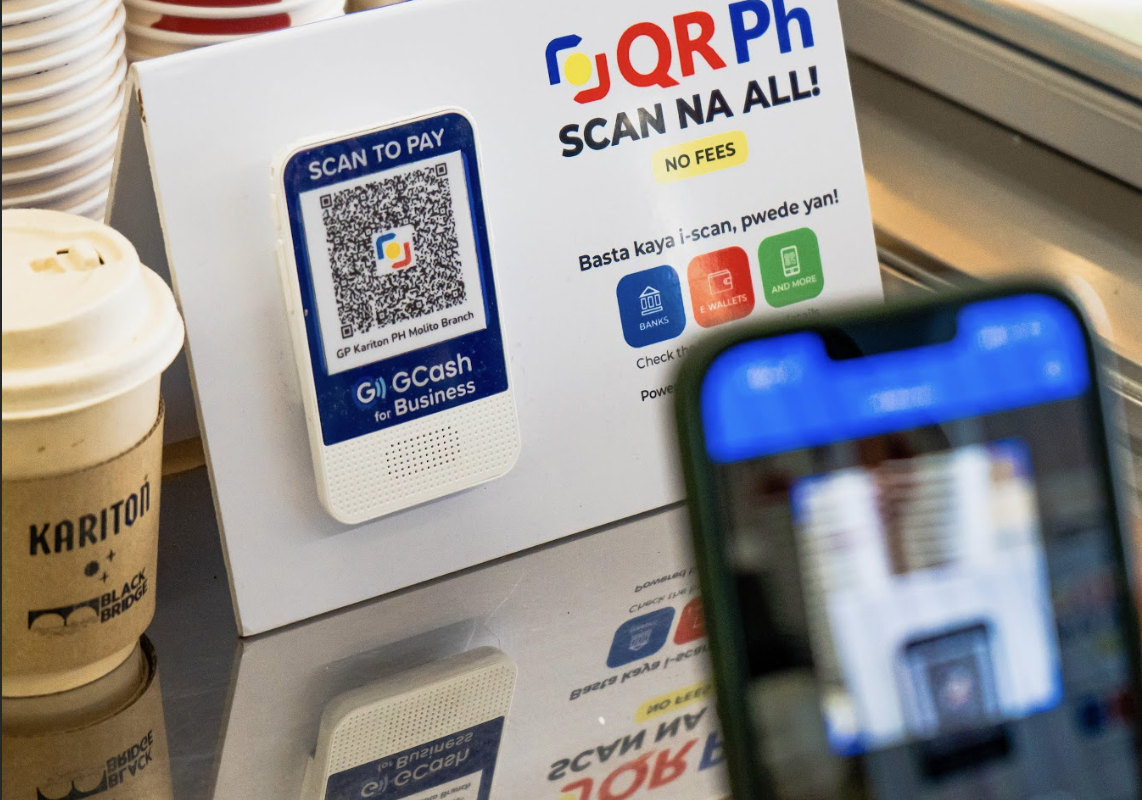
The rural digital payments challenge in the Philippines is becoming more visible as Metro Manila rapidly shifts toward a cash-lite economy, while many provincial communities continue to rely heavily on physical cash.
Across malls, coffee shops, transport terminals, and convenience stores in major cities, QR payments and e-wallet transactions are now part of daily life. Consumers increasingly use mobile wallets for bill payments, online shopping, food delivery, and even small purchases from neighborhood stores.
For many urban Filipinos, digital payments are no longer viewed as an alternative to cash — they are becoming the default.
Outside major cities, however, the picture remains far more uneven.
While the Bangko Sentral ng Pilipinas continues to push for broader financial inclusion through digital finance, many rural communities are still struggling to keep pace with the country’s rapidly changing payment landscape.
Weak internet connectivity, limited banking infrastructure, low digital literacy, and growing concerns over online fraud continue to slow adoption in many provincial areas.
The contrast highlights a deeper national challenge.
As Metro Manila moves toward a more connected financial system, many Filipinos outside urban centers remain heavily dependent on physical cash for daily transactions.
A widening urban-rural gap
The BSP has spent years encouraging digital payment adoption as part of its long-term goal of improving financial inclusion nationwide. The strategy gained momentum during the pandemic, when lockdown restrictions pushed consumers and businesses toward online transactions and contactless payments.
Since then, digital payment usage has continued to rise, particularly in highly urbanized areas where internet access, smartphone ownership, and fintech services are more accessible.
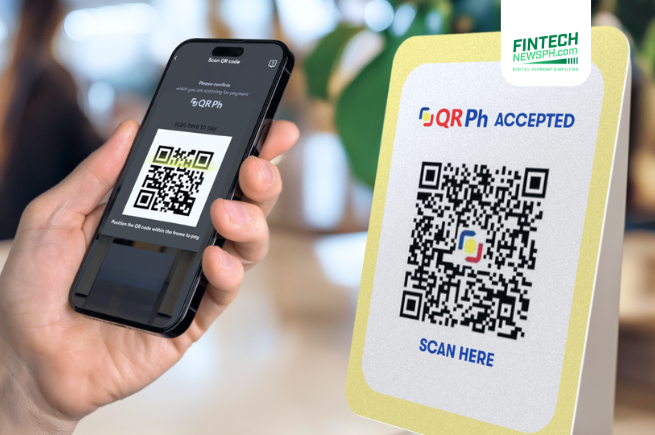
In Metro Manila, paying through mobile wallets has become routine even for small transactions. Street vendors, market stalls, and transport operators increasingly display QR Ph codes alongside cash payment options. Many younger consumers now carry less physical cash altogether.
In many rural communities, though, digital transactions remain inconsistent and unreliable.
Internet access continues to be one of the biggest barriers. In areas with unstable mobile signals or limited broadband coverage, digital payments can easily fail during transactions. Merchants often hesitate to fully adopt cashless systems because interruptions create delays and uncertainty for both sellers and customers.
Power interruptions also affect digital reliability in some provinces, particularly in geographically isolated municipalities where infrastructure remains underdeveloped.
Cash remains more practical
For many provincial communities, cash still offers a level of convenience and familiarity that digital finance has yet to replace.
Some municipalities continue to have limited ATM access, few banking branches, and minimal digital onboarding support. Consumers who need to withdraw or cash in funds from e-wallets may still need to travel long distances.
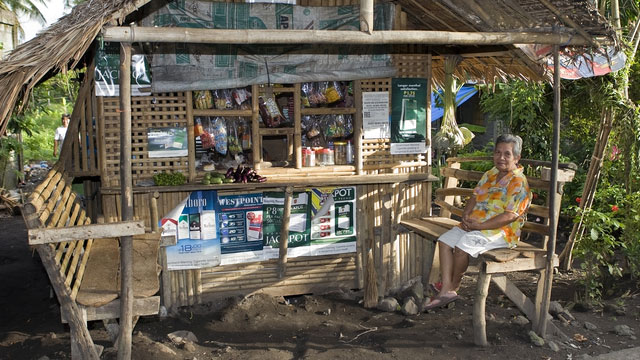
Small businesses also face operational limitations.
A sari-sari store owner may accept digital payments occasionally, but suppliers often still require cash transactions. Public market vendors and transport drivers may see little reason to shift fully toward digital systems if most customers continue paying in cash.
As a result, many rural consumers use digital finance only when necessary rather than integrating it into their daily financial habits.
This creates a fragmented payment environment where digital services exist, but cash continues to dominate local economies.
The trust issue
Beyond infrastructure challenges, trust remains another major obstacle to wider adoption.
Reports of phishing scams, identity theft, and unauthorized digital transactions have made some Filipinos hesitant to store money online or rely heavily on mobile finance platforms.
The issue becomes even more significant in areas where digital literacy programs remain limited. While younger consumers in cities often adapt quickly to app-based financial tools, older users in rural communities may require direct guidance before feeling comfortable using digital platforms independently.
For first-time users, one failed transaction or scam attempt can reinforce fears surrounding digital finance.
This has pushed regulators and financial platforms to place greater emphasis on cybersecurity awareness and consumer education alongside expansion efforts.
What happens next?
The Philippines has already made significant progress toward digital finance adoption, but the next phase of growth may depend less on urban expansion and more on whether underserved communities can eventually catch up.
Improving internet infrastructure, strengthening financial education, expanding merchant acceptance, and building consumer trust will likely determine whether digital payments become inclusive nationwide.
Metro Manila may already be moving toward a cash-lite future. The bigger challenge now is ensuring the rest of the country is not left behind.