

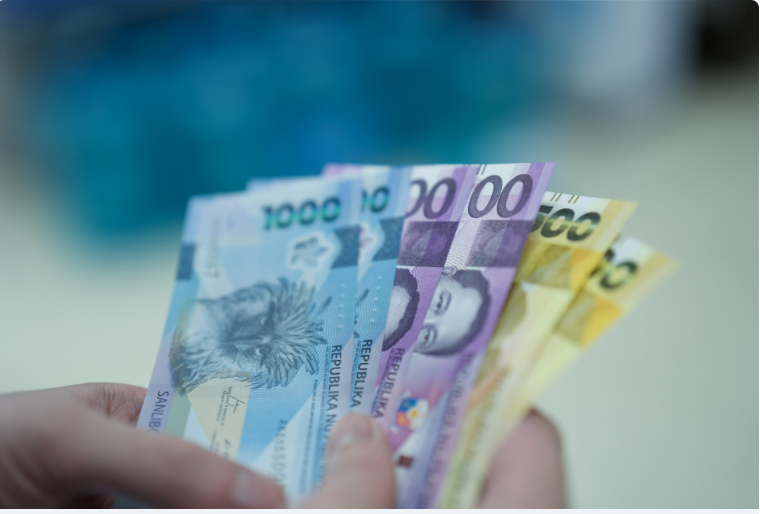
The Philippine financial system remained resilient in the second half of 2025, with banks and non-bank financial institutions sustaining growth and continuing to support economic activity despite a more complex operating environment, according to the latest report from the Bangko Sentral ng Pilipinas.
In its Second Semester 2025 Report on the Philippine Financial System, the central bank said the country’s financial sector posted healthy asset growth, stronger lending activity, and solid liquidity and capital positions, underscoring the sector’s ability to support households and businesses while maintaining financial stability.
“Banks and non-bank financial institutions play a vital role in mobilizing funds to different economic activities,” said Eli M. Remolona Jr.
“The BSP remains committed to fostering a regulatory environment that supports their continued growth and resilience while advancing the interest of Filipino financial consumers,” he added.
The report showed total banking sector assets grew by 8.9% year-on-year to ₱29.9 trillion as of end-December 2025, slightly below the 9.0% growth recorded a year earlier but still outpacing overall economic expansion.
Public confidence in the banking sector also remained firm, with deposits rising 7.4% to ₱21.9 trillion.
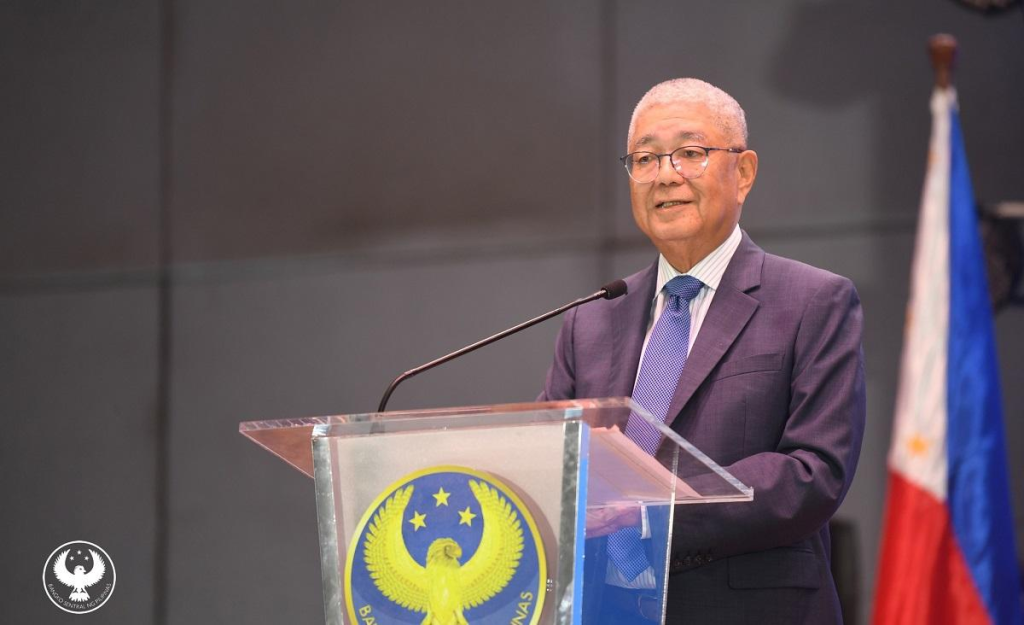
BSP Governor Eli M. Remolona Jr.
Meanwhile, bank lending expanded by 11.7% to ₱17.1 trillion, reflecting continued credit support for household consumption, business activity, and lending to priority and underserved sectors.
Despite faster credit growth, banks maintained manageable asset quality metrics.
The industry’s non-performing loan (NPL) ratio stood at 3.1% as of end-December, while the loan-loss coverage ratio reached 97.2%, indicating banks remain well-provisioned against potential credit risks.
Strong buffers, capital ratios exceed standards
Capitalization also stayed comfortably above regulatory requirements.
The banking system’s solo capital adequacy ratio (CAR) stood at 15.8%, while consolidated CAR — which includes subsidiaries — reached 16.2%, both significantly above the BSP’s 10% minimum threshold.
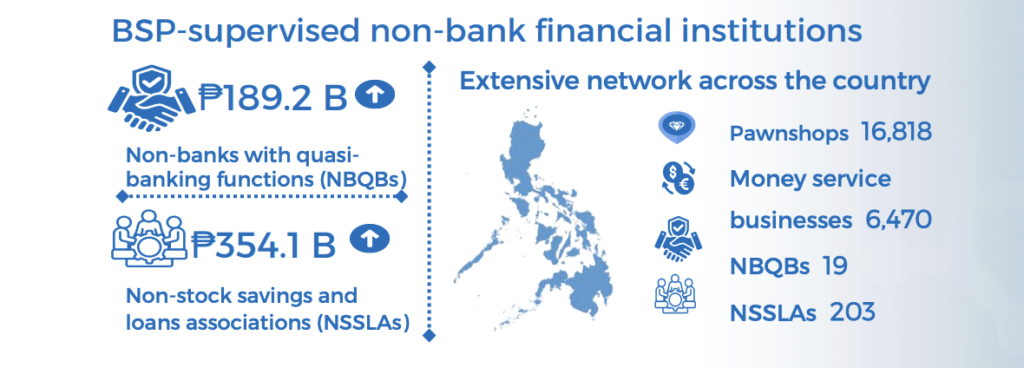
IMAGE CREDIT: BSP
Liquidity buffers remained robust, with universal and commercial banks posting a solo liquidity coverage ratio of 172.3% and a net stable funding ratio of 132.7%, both well above the required 100%.
Beyond traditional banking, BSP-supervised non-bank financial institutions also contributed to financial inclusion efforts during the period, particularly through expanded trust operations and foreign currency deposit unit services.
The BSP said ongoing reforms aimed at strengthening governance, enhancing supervisory and digital capabilities, and advancing inclusive and sustainable finance remain central to safeguarding long-term financial system resilience.
The latest report reinforces the Philippine financial sector’s role as a key pillar of economic stability as the country navigates evolving market and digital finance trends.