
Digital banks are taking center stage in the Philippine banking sector, with MariBank and GoTyme Bank topping Forbes’ “World’s Best Banks 2026” rankings for the country.

The annual list, compiled with research firm Statista, surveyed over 54,000 customers worldwide, evaluating banks based on trust, customer service, digital experience, financial advice, and overall satisfaction.
Digital-first players take the top spots
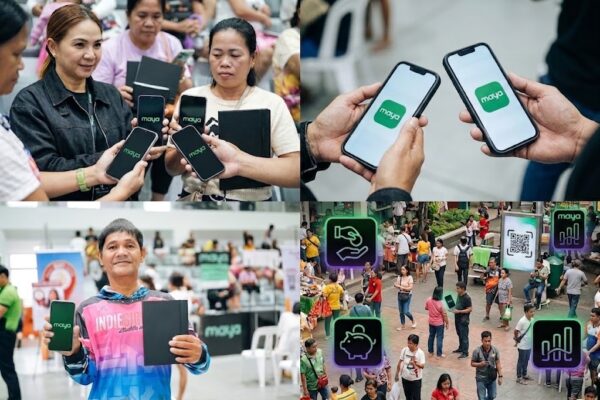
MariBank Philippines ranked first, followed by GoTyme Bank, signaling a strong shift in consumer preference toward digital-first financial services. Maya Bank also secured a place among the top performers, reinforcing the growing influence of app-based banking in the country.
This marks a notable change from previous years when traditional banks consistently led the rankings. Today, digital banks are gaining traction by offering faster onboarding, lower fees, and more intuitive mobile experiences that align with how Filipinos manage money.
Traditional banks remain in the mix
Despite the rise of digital banks, established institutions such as BPI, UnionBank, Metrobank, Landbank, and PNB continue to appear on the list. Their presence highlights the ongoing importance of trust, scale, and long-standing customer relationships in banking.
UnionBank, in particular, has remained competitive by investing heavily in digital transformation, blending traditional banking strengths with modern technology.
Trust still drives customer choice
Across all respondents, trustworthiness remained the most important factor when choosing a bank, followed by digital services and customer service.
This suggests that while digital innovation is attracting users, customers still prioritize reliability and confidence in financial institutions. Digital banks that can build trust alongside convenience are likely to sustain their growth.
A more competitive banking landscape
The 2026 rankings reflect a broader shift toward a more dynamic and competitive banking environment in the Philippines. Digital banks, introduced only a few years ago, are now competing directly with long-established players.
As adoption of mobile-first financial tools continues to grow, both digital and traditional banks are expected to further enhance their services. For consumers, this means better access, improved user experiences, and more choices in managing their finances.