

The Philippines could emerge as a key global hub for stablecoin-powered remittances, but only if it accelerates developer education and strengthens regulatory clarity, according to fintech and blockchain leaders speaking at the “Settle In! Manila” panel organized by Morph and Bitget’s Blockchain4Her and Blockchain For Youth initiatives.
With over one million overseas Filipino workers (OFWs) sending remittances home annually — often paying fees of up to 6% and waiting days for settlement — industry experts say stablecoins offer a faster, cheaper alternative that could meaningfully increase disposable household income.
According to the Bangko Sentral ng Pilipinas (BSP), OFW remittances rose 3.5% in January 2026, highlighting the continued reliance on cross-border financial flows.
David Hsiao, Chief Marketing Officer of Morph, said the country is uniquely positioned to benefit from the shift. “The Philippines stands to gain significantly from stablecoin technology through lower costs and faster settlement. It is becoming a critical use case for real-world financial infrastructure,” he said.
Morph recently introduced a Universal Settlement Layer supported by a US$150 million Payment Accelerator aimed at scaling stablecoin transactions globally.
Stablecoins move from speculation to real payments swiftly
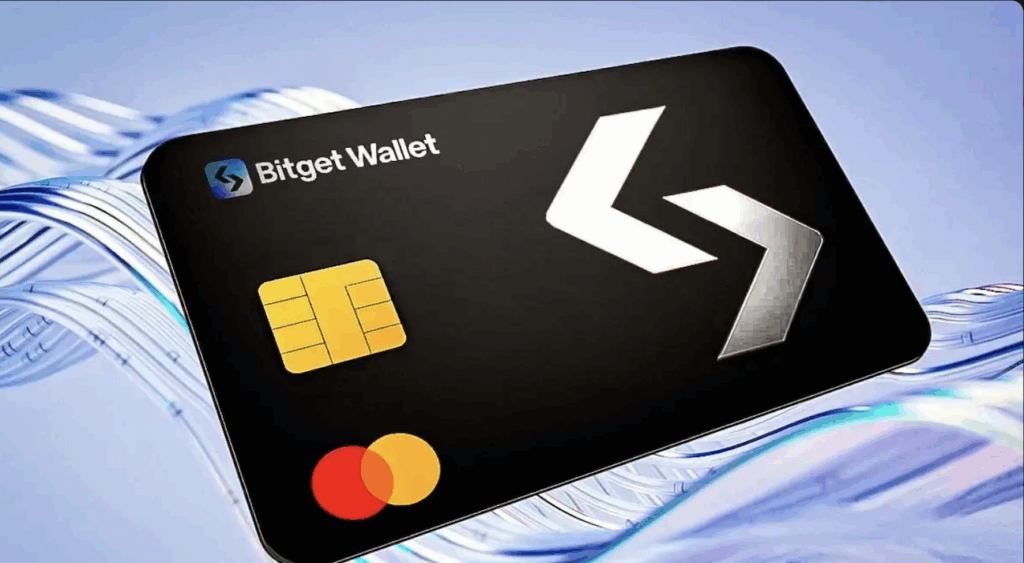
IMAGE CREDIT: Bitget
Global indicators also suggest accelerating adoption beyond crypto trading. Bitget Southeast Asia Country Manager Jose Mendoza noted that stablecoin usage for payroll and B2B invoicing has increased by more than 60% in the past year.
Meanwhile, Bitget Wallet card spending surged 28-fold, while Visa-issued crypto card spending rose 525%, signaling a clear shift toward real-world payments.
“Our focus is making stablecoin payments feel seamless and local,” Mendoza said. “Users should experience faster, cheaper transactions without needing to understand the underlying complexity.”

However, panelists emphasized that technology alone is not enough. DVCode CEO Eli Rabadon pointed to a widening developer gap as a key barrier to adoption. “The technology is ready. What’s needed is education and regulatory clarity so developers can build practical, compliant applications for everyday use,” he said.
Rabadon added that Filipino developers, freelancers, and remote workers — many already receiving income in digital assets — could become a major driver of adoption if properly supported through structured programs and clearer compliance pathways.
On the regulatory side, DA5 CEO Raymond Babst said the Philippines already has a strong foundation in its virtual asset framework, but must act quickly to remain competitive. “We already have the regulatory groundwork. The opportunity now is to activate it and move faster than other markets,” he said.
While the Bangko Sentral ng Pilipinas has begun reviewing stablecoin proposals and conducting pilot programs, industry leaders at the event called for faster policy alignment to keep pace with global adoption.
As stablecoins move from speculative assets to practical payment rails, the Philippines finds itself at a pivotal moment — where policy, talent development, and innovation will determine whether it leads or lags in the next wave of digital finance.