
Pull up a chair and let’s talk about digital payments and cashless adoption through the Paleng QR PH Plus program in the Philippines. I recently headed back to Dumanjug after nearly a decade away, and the nostalgia hit me hard — but not for the reasons I expected.
Back in tenth grade, getting a mobile signal was a strategic military operation. I’d hike halfway up a mountain, arm raised like a lightning rod, praying for a single, flickering bar of service.
We made it work, of course; we shared phones, passed “load” around like currency, and stayed connected through sheer willpower.
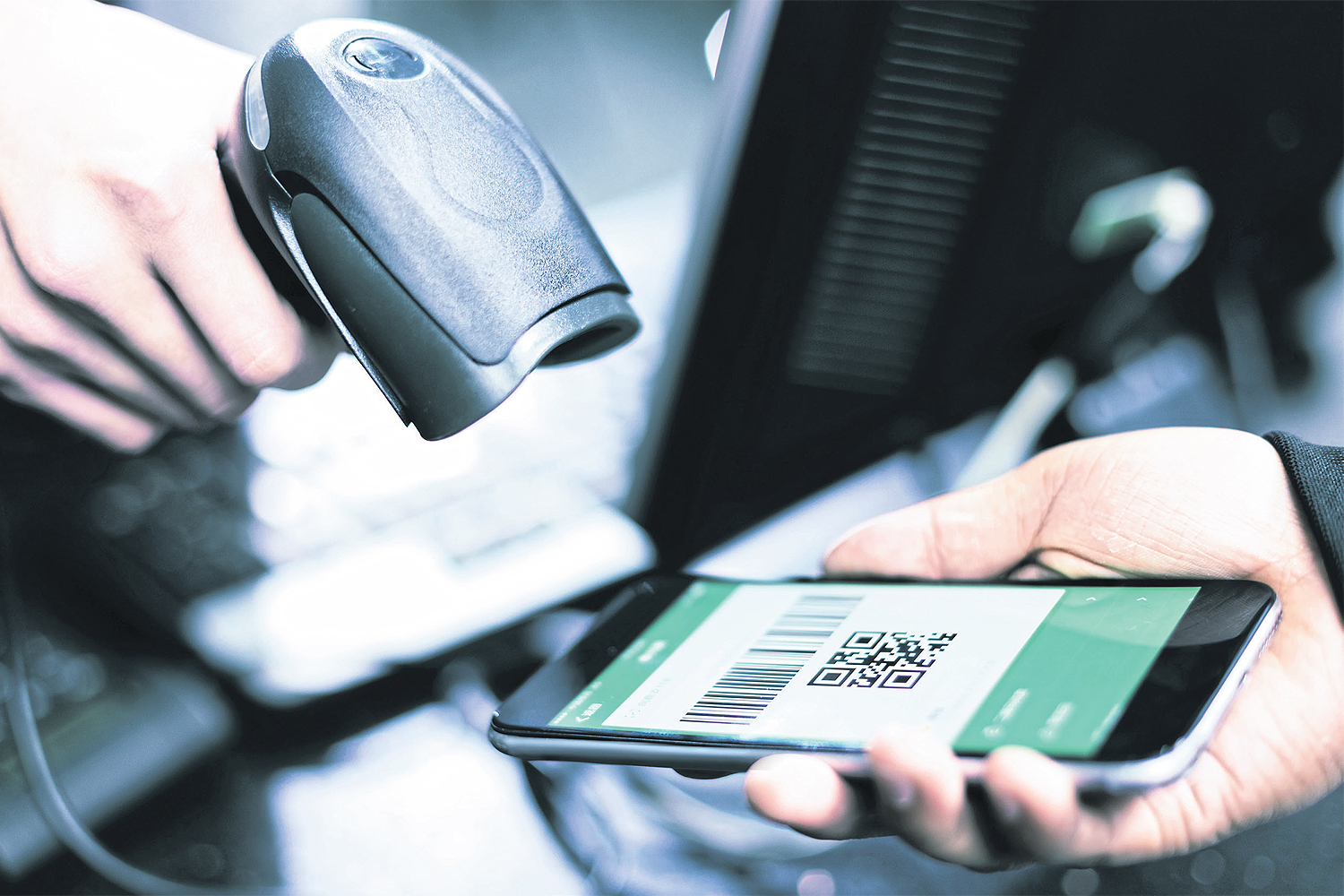
That same “make-it-work” spirit is still alive today, but it has traded mountain hikes for something much smaller: a QR code taped to a sari-sari store counter, right next to the candy jars.
The small square that changed everything
It isn’t just Dumanjug. Whether it’s the mountain provinces or the coastal plazas, a shift is happening.
Connectivity isn’t perfect — it still drops, and we still grumble — but the behavior has changed.
Now, if the signal dips during a transaction, people don’t give up. They find a piso WiFi vendo, reconnect, and finish the scan.
Today, digital payments are no longer a “big city” luxury. They are becoming the heartbeat of the local economy.
By the numbers: The scale of the shift
While the change feels personal, the data from the Bangko Sentral ng Pilipinas (BSP) proves it’s national.
The Philippines is no longer just “trying out” digital; we are living it.
It is simple, but it says a lot. The most telling statistic? 66.4% of this volume comes from merchant payments — the sari-sari stores, wet markets, and local vendors. This segment alone grew by nearly 30% in a single year.
| Metric | Current Status |
| Retail transaction volume | 57.4% is now digital |
| Monthly digital payments | ~3.3 Billion transactions |
| Total transaction value | 59% digital |
| Growth since 2013 | From 1% to nearly 60% |
Paleng-QR Ph: Driving inclusion
A major catalyst for this “cashless barangay” movement is the Paleng-QR Ph Plus program.
By focusing on public markets and local transport rather than just high-end malls, the initiative has met Filipinos where they actually spend their money.
By early 2026, approximately 922 Local Government Units (LGUs) have joined the fold. This isn’t just tech for tech’s sake; it’s about financial inclusion for the tricycle driver and the fish vendor.
Why it’s working (even without perfect net)
The growth of cashless Philippines adoption is not just visible on the ground. It is also backed by data.
Pure convenience: No more digging for exact change or waiting for a vendor to “break” a 1,000-peso bill.
Built-in trust: What once felt like “magic internet money” now feels routine. If your neighbor uses it, you use it.
Filipino resourcefulness: We’ve learned to navigate connectivity gaps with short-term WiFi and shared hotspots, ensuring the transaction goes through regardless of the bars on our phones.
A quiet transformation
Standing in that small community store, seeing a QR code next to a jar of biskwit, it hit me: the future didn’t arrive with a bang. It arrived one scan at a time. We are witnessing the birth of cashless cities not through sudden decree, but through steady, everyday utility.
From mountain-climbing for a text message to scanning for a snack in seconds—we’ve come a long way, haven’t we?
The “over-coffee” cheat sheet: Your QR questions answered
Wait, what exactly do we mean by a “cashless Philippines”? It’s basically the end of the “walang barya” (no change) struggle. It’s the shift where instead of fumbling for bills, we’re using e-wallets and phones for everything — from the mall down to the neighborhood fish vendor. It’s a national push to make life a bit easier by keeping our money digital.
Can I actually use this at my local palengke or in a trike? You’d be surprised! It’s not just for the big supermarkets anymore. You’ll see those QR stickers at fruit stands, sari-sari stores, and even some transport terminals. Whether you’re in the heart of the city or a quiet town, scanning is becoming as common as reaching for your wallet.
What’s the deal with “Paleng-QR Ph Plus”? Think of it as the Philippine government giving our local markets a tech upgrade. It’s a program designed to help the “small players” — market vendors and local drivers — get set up with digital payments. It’s all about making sure nobody gets left behind just because they don’t have a big storefront.
Why is everyone suddenly scanning instead of paying cash? Honestly? Because it’s just less of a headache. No more digging for exact change, no more bulky wallets, and it’s a lot faster when you’re in a rush. Plus, as more of us get smartphones and better ways to jump online, it just makes sense to pay with a tap and get on with our day.
Why are digital payments growing in the Philippines? Digital payments are growing due to convenience, increased smartphone usage, improved financial access, and government support. Many users prefer faster transactions without handling cash.
Final thoughts
Digital payments in the Philippines are no longer confined to specific areas or industries. They are becoming part of daily life across different communities.
And that quiet, steady shift is what makes it more meaningful.