
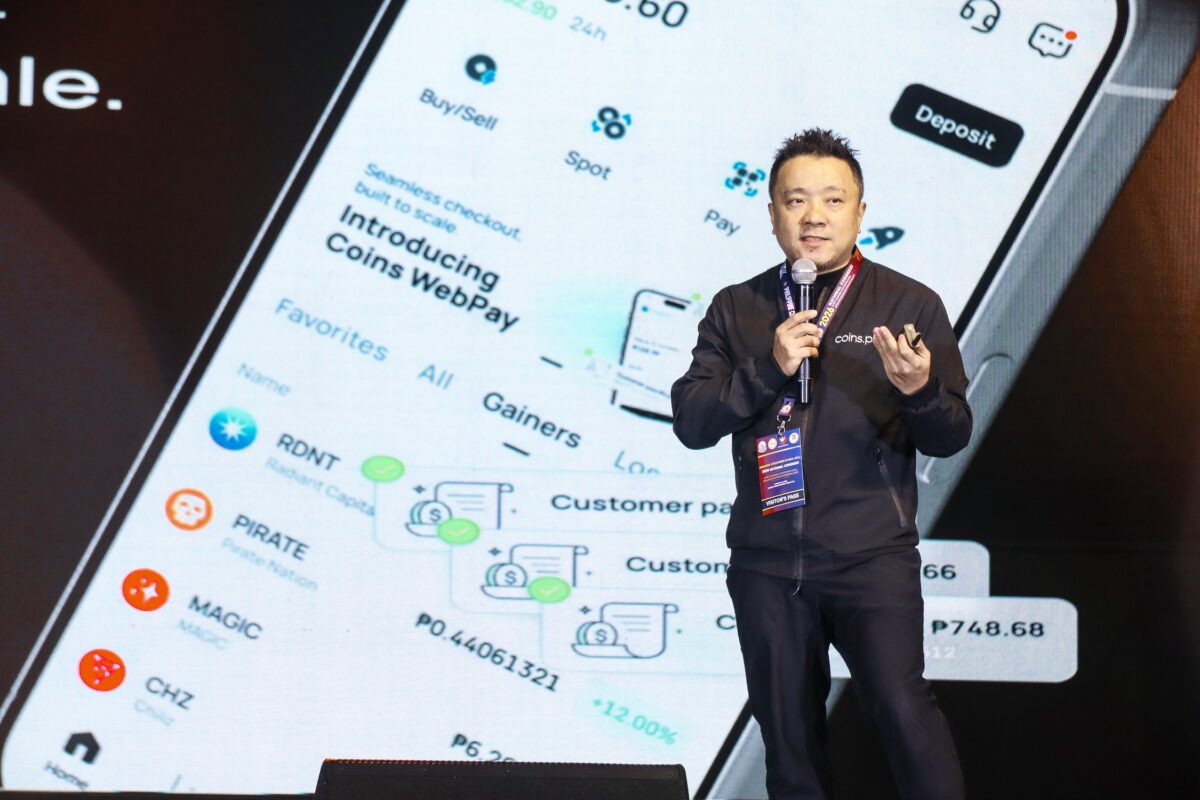
Coins.ph CEO Wei Zhou has called on local government units (LGUs) to modernize their public payment systems, warning that outdated processes act as an “invisible tax” that drains communities of vital resources.
Speaking before thousands of legislators at the 2026 Philippine Councilors League (PCL) National Congress and the 1st Quarterly Continuing Local Legislative Education Program, Zhou emphasized the urgent need for digital transformation in local governance to meet the “new expectation” of instant service.
“Even a 1% inefficiency in a ₱500 million revenue base equals ₱5 million,” Zhou said. “We must ask ourselves: How many scholarships is that? How many classrooms could that build? How many families could be supported? Small percentages become real consequences.”
Digital payments are no longer optional
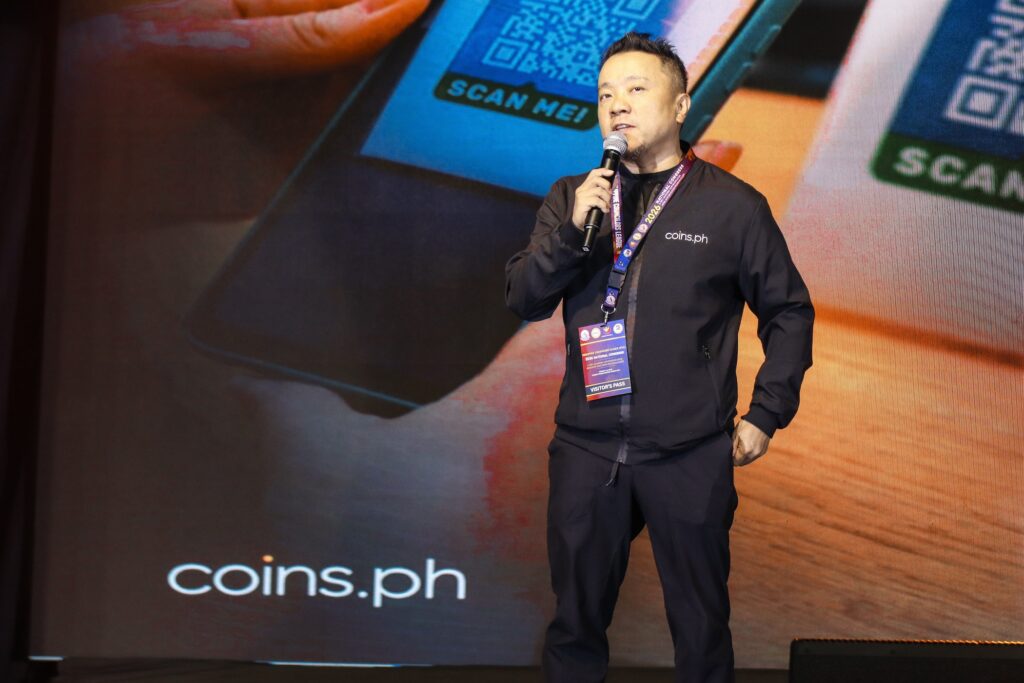
Zhou highlighted a major shift in consumer behavior, citing data from the Bangko Sentral ng Pilipinas showing that digital payments now account for 57.4% of total retail payment volume in the Philippines.
He warned that LGUs relying on slow, manual processes face wasted time and administrative friction, which delays financial reporting and exposes government staff to the risks of handling large volumes of cash.
“Citizens are already equipped with digital tools and expect government services to keep pace with their private-sector experiences,” Zhou added.
QR payments surge shows readiness
The adoption of interoperable systems further underscores the trend. Monthly QR Ph transactions processed through Coins.ph jumped from ₱559 million to ₱29.95 billion within 12 months in 2025, demonstrating that Filipinos are ready for digital-first public services.
How digital tools can empower LGUs
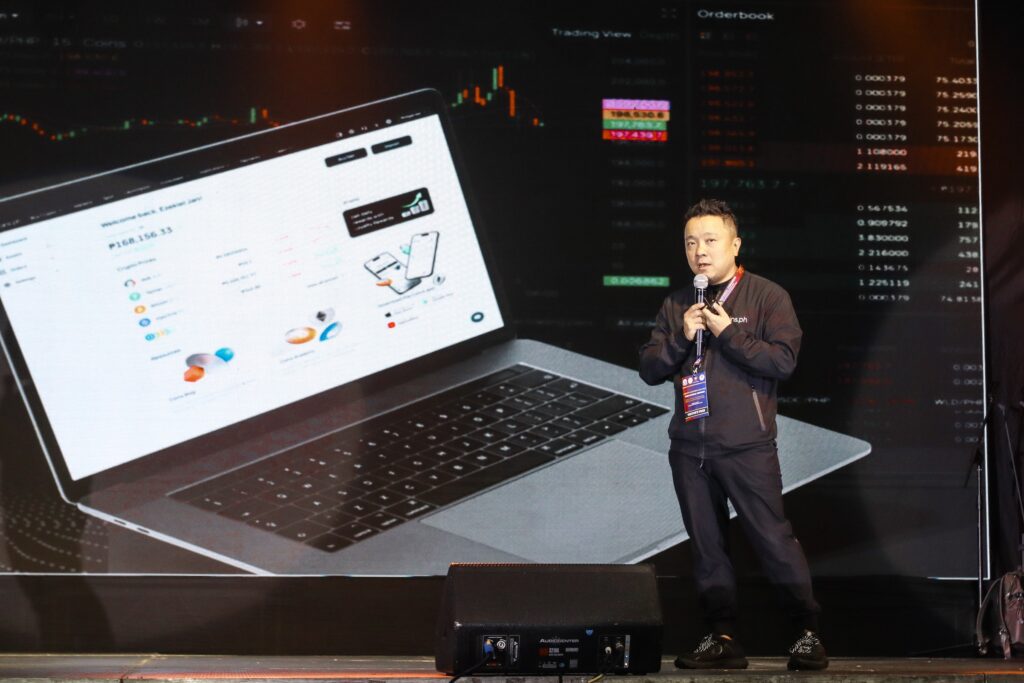
In his presentation, Zhou outlined several ways digital payment infrastructure can improve local governance:
- Revenue collection: Streamlined payment of business permits and real property taxes reduces queues at city halls while improving collection efficiency.
- Public assistance: Digital rails ensure that aid and social services reach beneficiaries instantly and transparently.
- Operational continuity: Digital systems act as “continuity infrastructure,” allowing payments to flow even during typhoons, flooding, or power outages.
- Efficiency and trust: Moving from 45-minute manual processes to 15-second digital transactions enhances LGU credibility and fosters public trust.
Coins.ph: A ready partner

Coins.ph has built a BSP-regulated infrastructure with over 12 years of operating experience, 18 million registered users, and an average of 140 million monthly transactions.
The platform guarantees 99.9% uptime and 50ms API latency, with integrations across 120+ banks and e-wallets, making it well-suited to scale for government operations.
“Modernization will happen; the question is timing,” Zhou concluded. “Design decisions are leadership decisions. I invite our local leaders to lead this change and make public services more efficient, resilient, and inclusive for every Filipino.”
Coins.ph is an all-in-one financial app in the Philippines, combining traditional finance with digital assets. Established in 2014, it is the country’s premier cryptocurrency exchange.
Licensed by the Bangko Sentral ng Pilipinas (BSP) as both a virtual asset marketplace and a mobile wallet, the platform empowers users to trade, pay, and execute financial transactions all in one secure ecosystem.
—
Disclaimer: This article is for news and informational purposes only and should not be construed as financial or investment advice or an endorsement of any cryptocurrency or platform. Crypto-assets are highly speculative and involve significant risks. Readers should verify the regulatory status of crypto service providers with the BSP and the SEC before making any investment or transaction.