
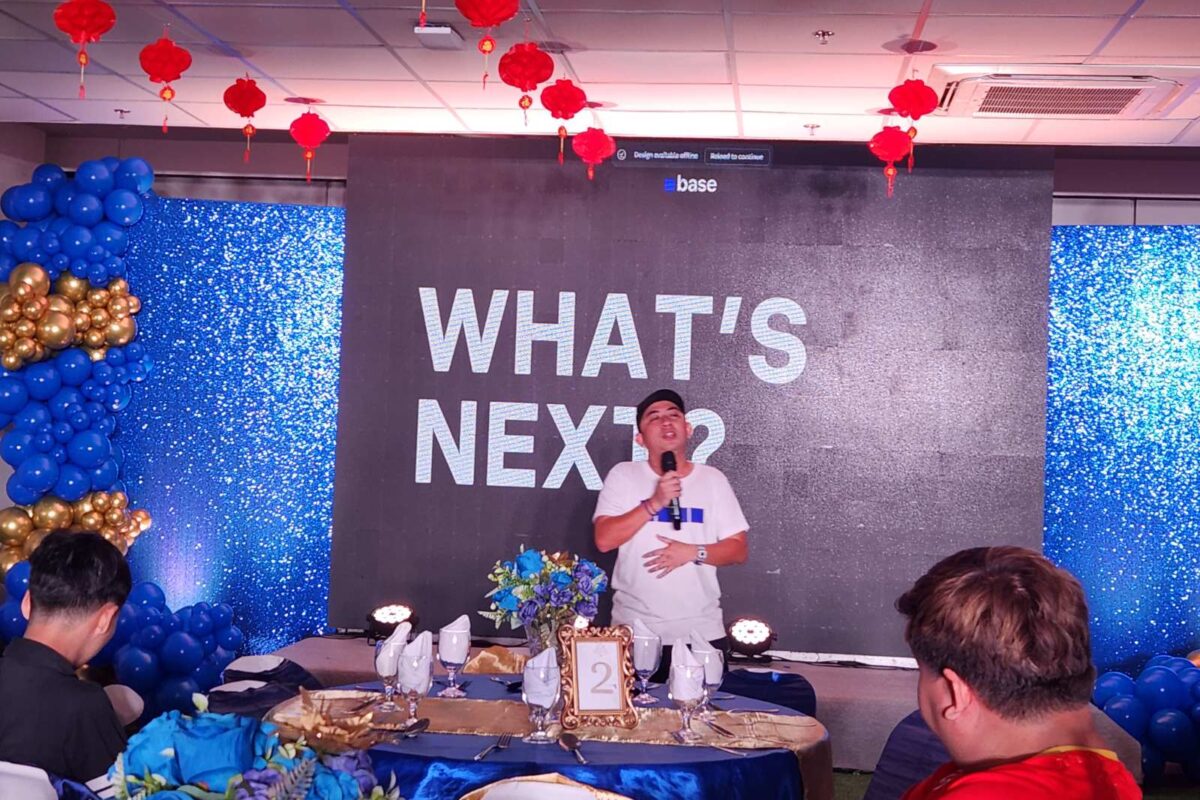
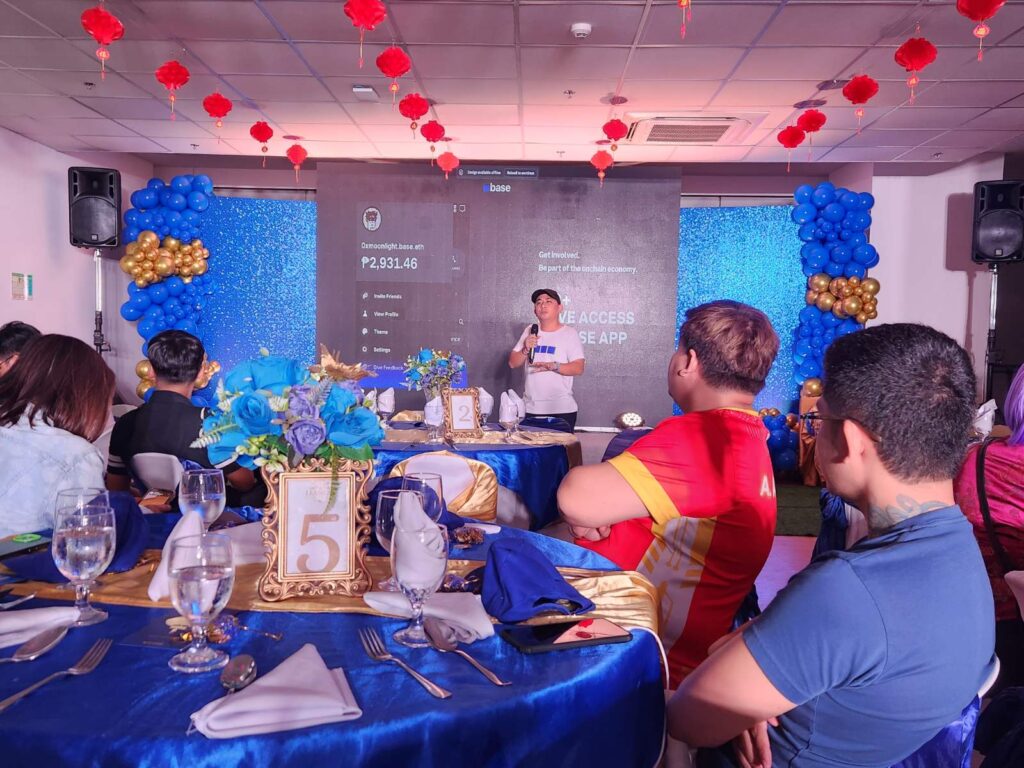
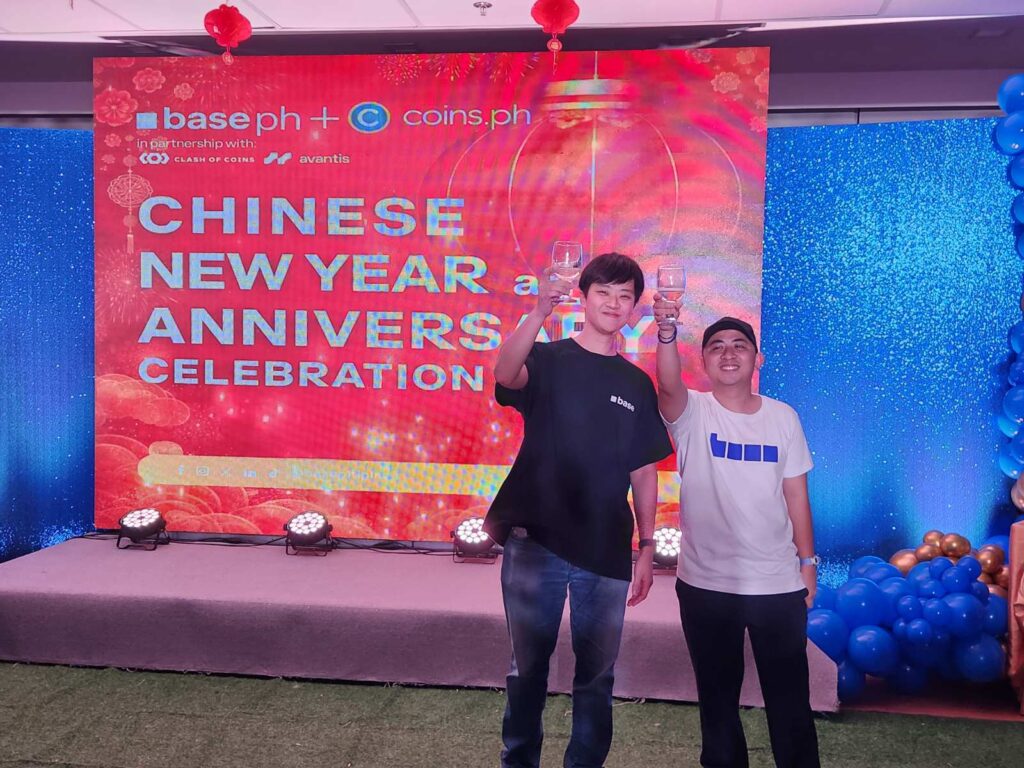
During its first anniversary celebration in the Philippines late last week, blockchain network Base Philippines underscored its growing commitment to local developers, traders, and students — signaling a broader push to make blockchain technology more accessible to Filipinos.
In an exclusive interview with FintechNewsPH during the event, Eli Becislao, country manager of Base Philippines, explained that the network is a Layer 2 blockchain protocol incubated and supported by Coinbase. Base is designed to serve as an open platform where projects, startups, and decentralized applications can be built efficiently and securely.
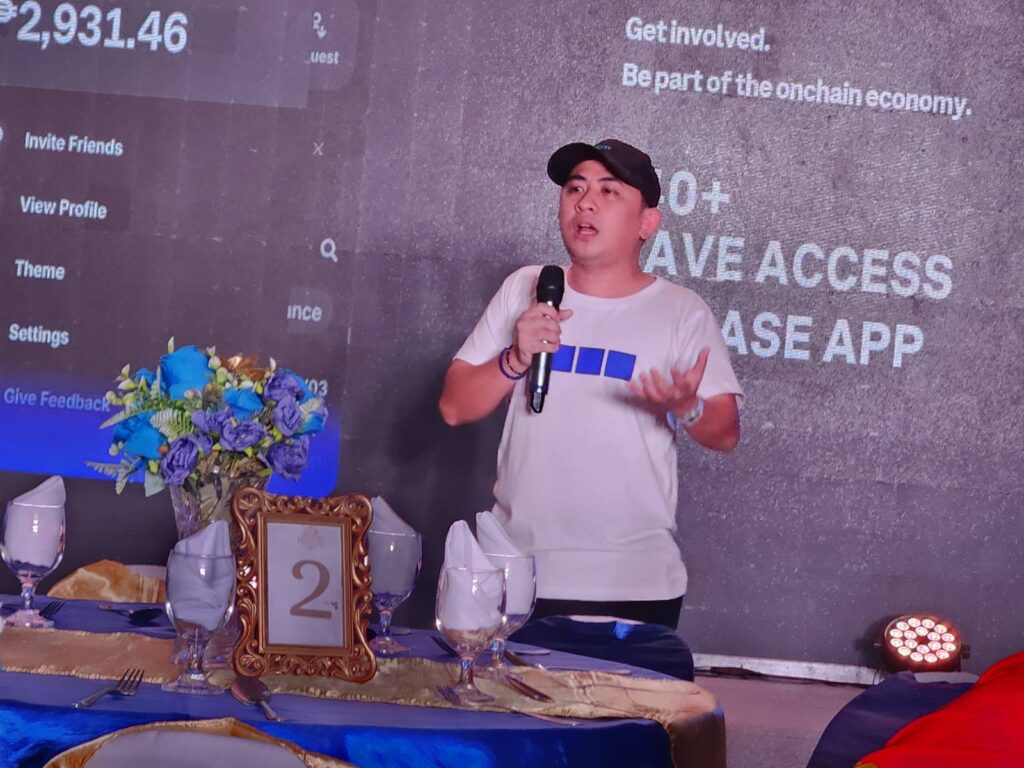
“Base is the blockchain protocol where builders can create and deploy applications,” Eli said. “And today’s event is special because it marks one year since Base officially established a presence in the Philippines.”
Gamified trading helps Filipinos become blockchain builders
According to Eli, the milestone reflects the country’s growing role in the global blockchain ecosystem, with local communities increasingly participating not just as users, but also as builders and innovators.
Beyond infrastructure, Base is also investing heavily in education and engagement through global and local trading initiatives.
One of its flagship efforts is a US$200,000 global trading competition that began earlier this month, alongside smaller, localized competitions aimed at communities and universities.
“These mini trading competitions are happening in two segments,” Eli shared. “One is community-based, and the other is through universities. The goal is to introduce trading in a way that’s gamified, enjoyable, and easy to understand.”
Eli emphasized that the program is structured to remove the financial barrier that often prevents newcomers from learning how trading works.
“Participants don’t need to put up their own money,” he said. “Funds are provided for them. They use that capital to trade, and whatever profit they make, they get to keep.”
Trading as education, not risky speculation
For example, if a participant is given US$100 in trading capital and grows it to US$2,000 within the competition period, the profit belongs to the trader — on top of any prizes awarded.
The initiative, according to Eli, is meant to reframe how people view trading, especially among students. By presenting it as a structured learning experience rather than pure speculation, Base hopes to change perceptions and encourage more responsible participation.
“We want to remove the stigma that trading is gambling or something inherently bad,” he explained. “When it’s taught properly and gamified, it becomes a form of discourse and education.”
As Base enters its second year in the Philippines, the network is looking to deepen its ties with local communities and academic institutions, positioning the country as a meaningful contributor to the global blockchain space.
“Our focus is to keep building here,” Eli said. “We want Filipinos to see blockchain not just as technology they use — but as something they can build on.”