

DTI action against a cement importer a win for local manufacturers
Local cement manufacturers are celebrating a recent win after the Department of Trade and Industry (DTI) cracked down on unfair trade practices in the industry.
The DTI’s Bureau of Philippine Standards (DTI-BPS) suspended the permit and issued a ‘show cause order’ to Newgate Import Export Corporation for non-compliance with regulations regarding imported blended hydraulic cement.
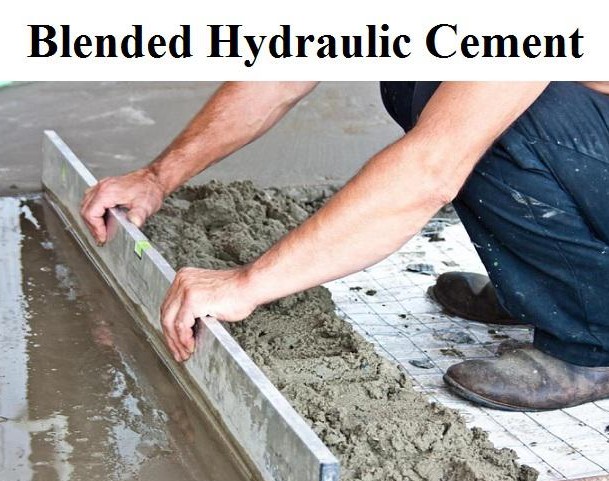
This action, following intensified monitoring of cement imports in Iloilo, sends a strong message that the DTI will not tolerate non-compliant practices.
The move is also seen as a major boost for the Philippine manufacturing sector, particularly the cement industry, which plays a crucial role in the country’s infrastructure development and economic growth.
Local cement: A pillar of post-pandemic growth
For years, the Cement Manufacturers Association of the Philippines (CeMAP) has raised concerns about the excessive and unfairly priced volume of cement imports harming local businesses.

Philippine manufacturers have invested heavily in ensuring their products meet the highest quality and safety standards as mandated by regulations. Additionally, the industry generates over 1% of the country’s GDP and provides over 130,000 jobs.
The influx of substandard and potentially carbon-intensive imported cement, according to CeMAP, has created an uneven playing field, stifled economic growth, and jeopardized jobs.
The DTI’s Fair Trade Enforcement Bureau (FTEB) along with regional offices regularly conducts market surveillance to ensure compliance with trade laws. These decisive measures are seen as a critical step towards a fair and competitive market environment.
In a press release, CeMAP applauded the DTI’s actions while highlighting the importance of enforcing regulations and upholding fair trade practices. “We commend the DTI for their action, as this not only supports the local cement industry but also ensures the safety and quality of construction projects nationwide,” a statement from CeMAP read.
Looking ahead, a robust and competitive cement industry is seen as a key pillar for the Philippines’ post-pandemic economic recovery.
Local manufacturers are confident they can meet the nation’s demand for high-quality cement products that comply with national regulations, especially with the government’s ongoing infrastructure programs. Through CeMAP, they have also pledged their continued commitment to working with the DTI to ensure a fair and competitive market, ultimately contributing to a stronger and more self-sufficient Philippines.