



The Philippine digital economy grew to ₱2.74 trillion in 2025, accounting for 9.8% of the country’s gross domestic product (GDP), according to preliminary data from the Philippine Statistics Authority’s (PSA) Philippine Digital Economy Satellite Account (PDESA).
The sector expanded by 5.4% year-on-year and supported more than 10.39 million jobs nationwide, underscoring the growing role of digital technologies in economic activity.
In practical terms, this means digital payments are no longer just a banking innovation—they are becoming economic infrastructure.
Every QR code scan at a sari-sari store, every e-wallet transfer between family members, and every digital payroll disbursement now contributes to a digital economy that supports more than 10 million Filipino jobs.
The question is no longer whether Filipinos are adopting digital payments, but how deeply those payment systems are reshaping the country’s economy.
Behind this transformation is a less visible but increasingly important force: the country’s digital payments infrastructure.
As more Filipinos embrace digital wallets, online banking, e-commerce platforms, and cashless transactions, electronic fund transfer systems such as InstaPay and PESONet have become critical rails supporting the movement of money across the economy.
Together, InstaPay and PESONet now process trillions of pesos in transactions annually, reflecting a fundamental shift in how consumers, businesses, and government agencies send, receive, and manage funds.
What began as a convenience during the pandemic has evolved into a core component of the country’s financial infrastructure. Today, digital payments power everything from salary disbursements and government reimbursements to online shopping, merchant payments, and overseas remittances.
The numbers illustrate the scale of that transformation.
InstaPay, which enables real-time fund transfers 24 hours a day, seven days a week, recorded a dramatic rise in transaction volume, climbing from 240 million transactions in 2020 to 4.7 billion in 2025.
Meanwhile, PESONet, commonly used for larger-value transfers by businesses, institutions, and government agencies, processed ₱13.1 trillion worth of transactions in 2025, driven by growing demand for digital payroll systems, supplier payments, and reimbursements.
More than convenience
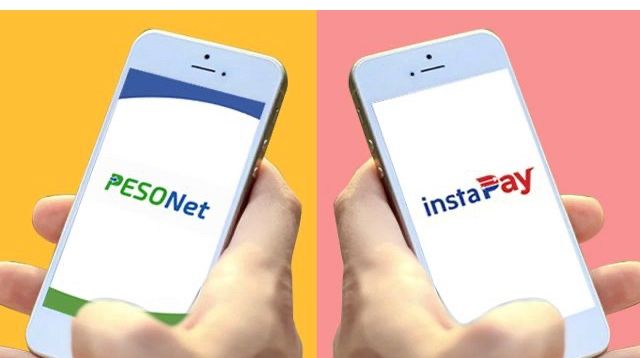
IMAGE CREDIT: Magnific
The rapid growth of instant payments signals more than just increased adoption of technology. It reflects a fundamental shift in how Filipinos manage and move money.
Economists and fintech observers note that digital payments are increasingly becoming the default option for consumers.
Across the country, QR-based payments have become commonplace among businesses of all sizes. What was once largely limited to malls and major retailers has expanded to sari-sari stores, wet markets, food stalls, and independent merchants.
The Bangko Sentral ng Pilipinas (BSP) has played a key role in driving this transition through initiatives such as QR Ph, the country’s interoperable QR payment framework. The system allows consumers to make payments across participating banks and e-wallets using a single QR code, reducing friction for both merchants and customers.
The impact extends beyond retail transactions.
For overseas Filipino workers (OFWs), digital payment platforms have helped streamline remittance flows, allowing funds to be transferred and received within seconds rather than days. As a result, many households now rely on digital wallets and banking applications for budgeting, bill payments, rent, education expenses, and emergency spending.
E-wallets fuel financial inclusion

IMAGE CREDIT: GCash
The rise of digital wallets has emerged as one of the strongest drivers of the country’s payments transformation.
GCash, operated by Globe Fintech Innovations Inc., reported more than 94 million registered users today, making it one of the country’s largest digital financial platforms. Maya has likewise expanded beyond payments, building a broader ecosystem that includes digital banking, lending, savings products, and merchant solutions.
The evolution of these platforms reflects a larger trend unfolding across the fintech industry.
Consumers are increasingly using digital payment apps not only to transfer money but also to access credit, insurance, investments, and other financial services. Buy now, pay later (BNPL) offerings, microloans, and embedded savings products are becoming increasingly integrated into everyday transactions.
Industry observers describe this progression as the move from simple digital payments adoption toward embedded finance, where financial services become seamlessly integrated into consumers’ daily digital experiences.
The broader economic impact is becoming increasingly evident. According to the PSA, e-commerce accounted for 32.2% of the country’s digital economy in 2025 and represented the largest share of digital economy employment at 75.8%.
As online commerce continues to expand, digital payment infrastructure has become a critical enabler of economic activity, supporting transactions between consumers, merchants, financial institutions, and government agencies.
Cash still matters
Despite the rapid growth of digital transactions, the Philippines remains a mixed-payment economy.
Cash continues to dominate in many rural and underserved communities, particularly in areas where internet connectivity remains inconsistent or where access to formal financial services is limited.
At the same time, rising digital activity has brought new challenges.
Cybersecurity concerns, phishing attacks, account takeovers, and unauthorized transactions continue to pose risks for consumers and financial institutions alike. The BSP has repeatedly reminded users to remain vigilant against online scams as digital financial activity expands.
These risks highlight a growing reality for the country’s fintech sector: digital inclusion must be matched by digital trust.
Building a digital payments economy
Even with these challenges, the direction of travel remains clear.
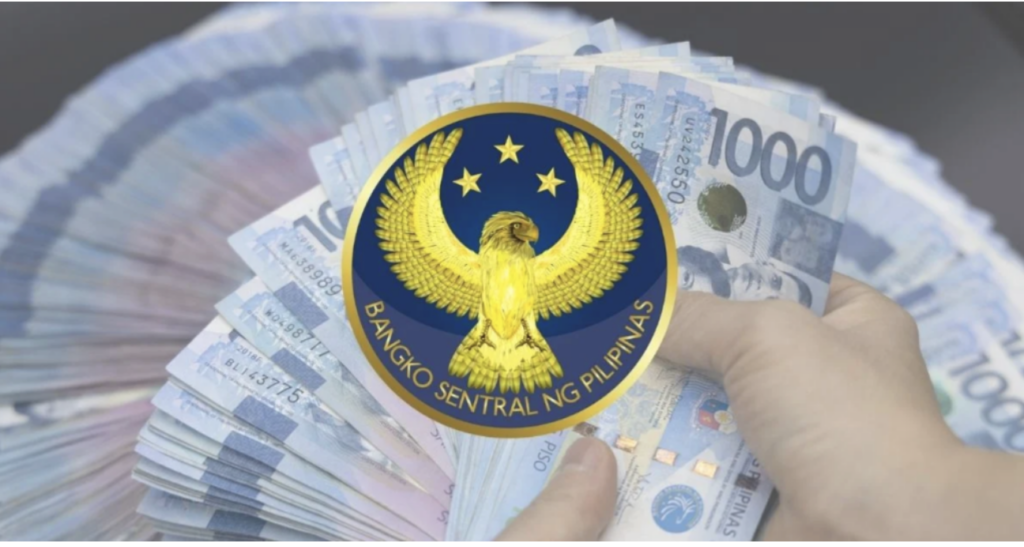
Under its Digital Payments Transformation Roadmap, the BSP aims to make at least half of all retail payments digital.
The country has moved toward that goal more quickly than many industry observers anticipated, supported by growing smartphone adoption, improved digital infrastructure, and expanding fintech ecosystems.
What makes the Philippine story particularly noteworthy is the speed at which digital payments have become normalized.
Today, commuters pay transportation fares through QR codes, market vendors accept wallet transfers, salaries are credited digitally, and utility bills can be settled in minutes through mobile applications.
For many Filipinos, digital payments are no longer viewed as a technological novelty. They have become an everyday utility.
As transaction volumes continue to climb and fintech innovation accelerates, InstaPay and PESONet have evolved from payment rails into critical pillars of the country’s digital economy—quietly transforming how money moves in the Philippines, one transfer, one QR code, and one payment at a time.