The next phase of fintech competition may no longer be defined solely by payments, but by which platforms become the most trusted financial gateways for consumers and businesses.
A recent Finextra opinion piece described 2025 as a defining year for “wallet wars,” where super apps are expanding into broader ecosystems while specialized fintechs focus on niche services and improved user experience.
The same dynamic is becoming increasingly relevant in the Philippines, where digital wallets, payment gateways, lending platforms, and embedded finance providers are competing for a larger share of everyday financial activity.
Super apps build on convenience and scale
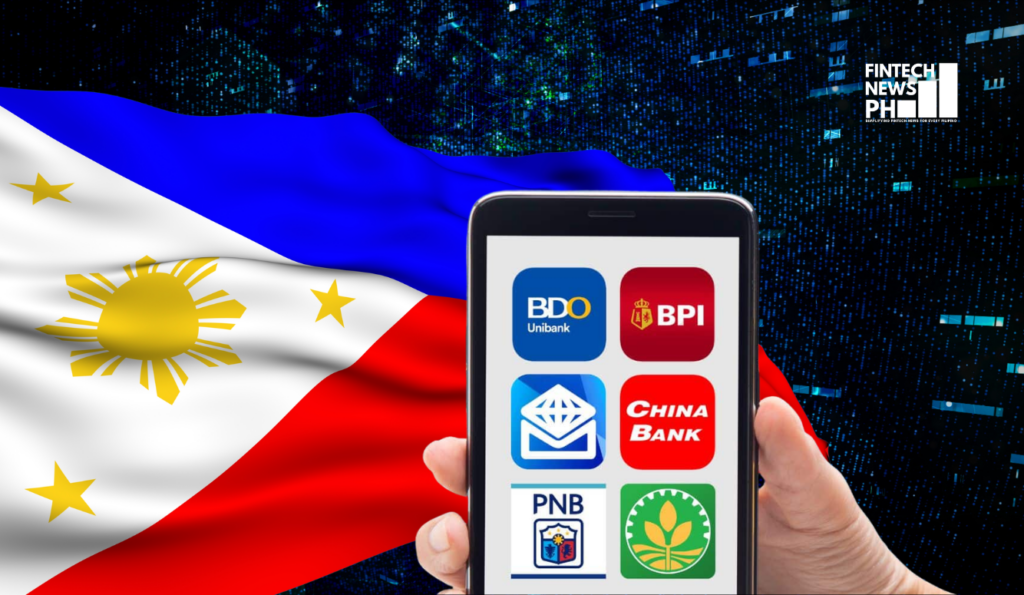
Super apps hold a clear advantage in convenience. Instead of requiring users to download separate applications for payments, savings, loans, insurance, transport, shopping, or rewards, they integrate multiple services into a single ecosystem.
Finextra noted that super apps are designed to increase user retention through ecosystem lock-in, with payments, loyalty systems, embedded financial products, and cross-platform data working together within one platform. This model can make financial services more seamless and accessible, particularly for users already engaged in daily digital transactions.
In the Philippines, this trend is reflected in the continued expansion of major e-wallet platforms. GCash, operated by Mynt, reported reaching over 94 million registered users, according to company disclosures and media reports It was likewise reported that Mynt is considering a domestic IPO that could value the company to at least US$8 billion, underscoring strong investor interest in the Philippine digital payments sector
Maya has also positioned itself as an all-in-one financial platform, combining wallet services with digital banking features such as savings, loans, credit, and QR Ph payments. Maya Bank is regulated by the Bangko Sentral ng Pilipinas (BSP), and deposits are insured by the Philippine Deposit Insurance Corporation (PDIC) up to ₱1 million per depositor
For large platforms, the objective goes beyond processing transactions. It is about becoming the primary gateway where users manage most aspects of their financial lives.
Specialized fintechs compete through focus
Despite the rise of super apps, specialized fintechs remain highly competitive. In many cases, smaller platforms succeed by solving specific problems more effectively than broad ecosystems.
Finextra notes that these companies rely on depth rather than breadth, focusing on areas such as cross-border payments, expense management, payment routing, fraud prevention, or API-first infrastructure. Their strength lies in sharper product design, faster iteration cycles, and more tailored value propositions.
This is particularly relevant in the Philippine market, where fintech adoption is becoming more diversified. Consumers may use a super app for daily payments, while businesses rely on specialized tools for checkout systems, invoicing, payroll, payouts, or reconciliation.
A growing market leaves room for both
The Philippines is unlikely to become a winner-takes-all fintech market. Instead, super apps and specialized fintech platforms are expected to grow in parallel, serving different layers of the digital financial ecosystem.
The country’s digital payments landscape continues to expand rapidly.
According to the Bangko Sentral ng Pilipinas (BSP), digital payments accounted for 57.4% of total monthly retail transaction volume in 2024, up from 52.8% in 2023. In value terms, digital payments rose to 59.0% from 55.3% over the same period.
This sustained growth creates space for both models. Super apps help bring more users into digital finance through high-frequency services, while specialized fintechs address more complex or enterprise-level needs as adoption matures.
Trust will define the next phase
The next fintech battleground in the Philippines will not simply be about feature expansion. It will be about which platforms can deliver the right combination of convenience, trust, speed, security, and relevance.
Super apps benefit from scale, brand recognition, and frequent user engagement. Specialized fintechs offer focus, agility, and deeper expertise in solving specific financial problems.
As the payments market matures, consolidation will continue to shape the landscape. However, specialization will remain essential—particularly in areas where users and businesses demand clarity, transparency, and purpose-built solutions.
Ultimately, the future of fintech in the Philippines is unlikely to be dominated by a single winner. Instead, a more balanced ecosystem may emerge — one where super apps simplify everyday financial life, while specialized fintechs power the infrastructure and niche services that make digital finance more efficient and inclusive.
The next phase of fintech competition may not be fought only over payments, but over who becomes the most trusted financial gateway for consumers and businesses.
A recent Finextra opinion piece described 2025 as a defining year for “wallet wars,” where super apps are expanding into broader ecosystems while specialized fintechs are focusing on specific services and stronger user experiences. The same debate is becoming increasingly relevant in the Philippines, where digital wallets, payment gateways, lending tools, and embedded finance platforms are competing for a larger share of everyday financial activity.
Super apps build around convenience
Super apps have a clear advantage: convenience. Instead of asking users to download separate apps for payments, savings, loans, insurance, transport, shopping, or rewards, they bring several services into one ecosystem.
Finextra noted that super apps are designed to increase retention through ecosystem lock-in, with payments, loyalty, embedded financial products, and cross-platform data all working together inside one platform. This model can make financial services feel easier and more accessible, especially for users who already rely on one app for daily transactions.
In the Philippines, this trend is visible in the continued expansion of major e-wallet platforms. GCash, operated by Mynt, says it is used by 94 million Filipinos and offers services such as bill payments, money transfers, savings, loans, and insurance access. Reuters also reported that Mynt is aiming for a possible domestic IPO that could value the company at at least $8 billion, reflecting investor interest in the scale of the Philippine e-wallet market.
Maya has also positioned itself as an all-in-one money app, combining wallet functions with digital banking services such as savings, loans, credit, and QR Ph payments. Maya Bank says it is regulated by the Bangko Sentral ng Pilipinas, with deposits insured by the PDIC up to ₱1 million per depositor.
For large platforms, the goal is not just to process transactions. It is to become the place where users manage more parts of their financial lives.
Specialized fintechs compete through focus
Still, the growth of super apps does not mean specialized fintechs will lose relevance. In many cases, smaller or more focused platforms can compete by solving specific problems better than a broad ecosystem can.
Finextra argued that specialized fintechs are staking their position through depth rather than breadth. These companies often focus on areas such as budgeting, cross-border payments, expense management, payment routing, or API-first infrastructure. Their advantage lies in sharper product design, faster iteration, and clearer value for a specific user or business need.
This is important in the Philippine market, where fintech use cases are becoming more diverse. Consumers may use a large wallet for everyday payments, but businesses may still need dedicated tools for online checkout, invoicing, fraud prevention, payroll, payouts, or merchant reconciliation.
For startups, SMEs, and online sellers, the best fintech provider is not always the one with the largest consumer user base. It may be the one that offers better integration, lower friction, faster onboarding, or more reliable support for a specific payment or business process.
A bigger market leaves room for both
The Philippines may not become a winner-takes-all fintech market. Instead, super apps and specialized platforms may grow side by side, serving different layers of the digital finance ecosystem.
The country’s digital payments market is already expanding. According to the BSP, digital payments accounted for 57.4 percent of total monthly retail payment volume in 2024, up from 52.8 percent in 2023. In value terms, digital payments rose to 59.0 percent from 55.3 percent over the same period.
That growth creates opportunities for both models. Super apps can bring more users into digital finance through familiar, high-frequency services. Specialized fintechs can then serve more advanced needs as consumers and businesses become more digitally mature.
Trust will decide the next stage
The next fintech battlefield in the Philippines will not simply be about who offers the most features. It will be about who can deliver the right mix of convenience, trust, speed, security, and relevance.
Super apps have scale, brand recognition, and frequent user engagement. Specialized fintechs have focus, agility, and deeper expertise in specific problems.
As the payments market matures, consolidation will remain a powerful force. But specialization will still matter, especially in areas where users and businesses need clarity, transparency, and tools built for a particular purpose.
The likely outcome is not a single winner. The stronger fintech ecosystem may be one where super apps simplify everyday finance, while specialized platforms continue to power the niche services and infrastructure that make digital finance more useful.