


Samsung Electronics Philippines is expanding its education efforts beyond tablets and classroom hardware, launching a program that places equal emphasis on teacher training, cybersecurity, and long-term digital adoption in schools.
Called Samsung for Education, the initiative combines Galaxy devices, professional development for educators, and a recognition program for schools as more learning institutions continue integrating technology into everyday teaching.
The rollout comes as schools adopt more digital tools and artificial intelligence while balancing concerns around cybersecurity, data privacy, and digital literacy.

IMAGE CREDIT: Freepik
Rather than simply supplying devices, Samsung said it wants to help schools build the skills needed to use technology more effectively in the classroom.
“At Samsung, we believe technology should empower people,” said Carl Nordenberg, vice president and regional head of the Mobile eXperience Business for Southeast Asia and Oceania at Samsung Electronics. “In education, this means creating an ecosystem where teachers feel supported, schools are digitally ready, and students are engaged to learn with confidence.”
Building smarter classrooms through technology and teacher empowerment
At the center of the program are Galaxy tablets equipped with the S Pen, Samsung Notes, and Galaxy AI, alongside Samsung Knox, the company’s enterprise security platform designed to help schools manage devices and protect student information.

IMAGE CREDIT: Freepik
The program also includes structured professional development through its Samsung Learning Hub, where teachers can access training modules on digital instruction, classroom technology, and lesson planning. Educators who complete the program can earn certifications recognizing their digital teaching competencies.
Schools, meanwhile, can qualify for recognition under the Samsung Digital Lighthouse School, depending on how extensively technology has been incorporated into teaching and learning.
Unlike traditional device deployment projects, the company said the program is intended to support schools over the long term through continued training, technical guidance, and educator development.
Why it matters beyond education
For the technology industry, programs like this are also helping shape the country’s future digital workforce.
As Philippine employers—including fintech firms, digital banks, and technology companies—increasingly hire graduates expected to work with AI-powered tools, cloud platforms, and digital collaboration software, schools face growing pressure to build those skills much earlier.
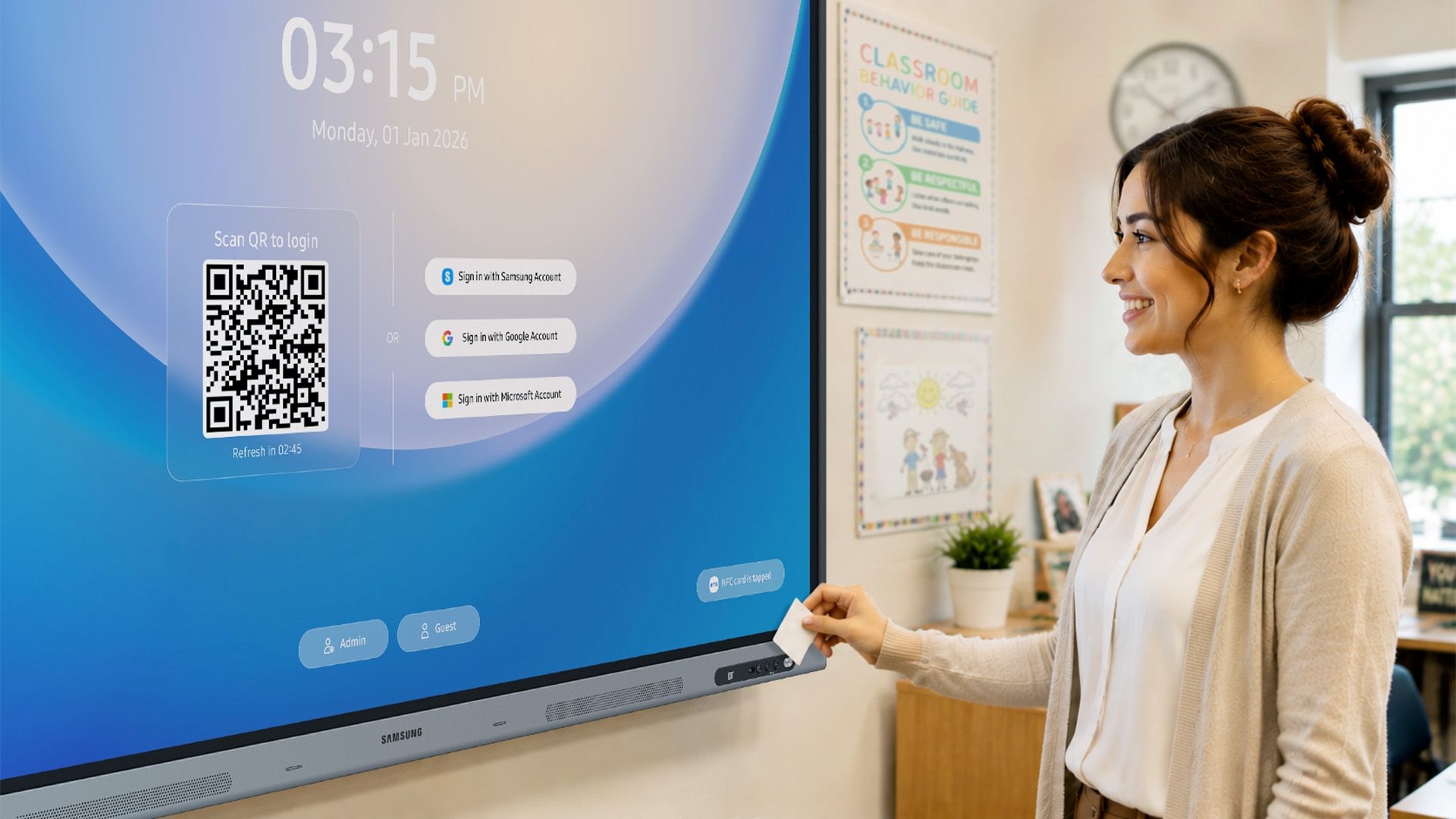
IMAGE CREDIT: Freepik
The same digital skills are becoming increasingly important in financial services, where banks and fintech firms continue investing in AI, cybersecurity, and digital customer experiences.
As more Filipinos manage their finances through mobile banking apps and e-wallets, demand is also growing for professionals who understand both technology and responsible digital practices.
The South Korean technology company said the program is intended to complement the Philippines’ broader efforts to expand digital learning by helping schools create more secure, inclusive, and technology-enabled classrooms.
While devices remain an important part of that effort, the company believes meaningful digital transformation depends just as much on the people using them.